


Chronic wounds in Australia: A systematic review of key epidemiological and clinical parameters
- PMID: 30259680
- PMCID: PMC7948920
- DOI: 10.1111/iwj.12996
Chronic wounds in Australia: A systematic review of key epidemiological and clinical parameters
Abstract
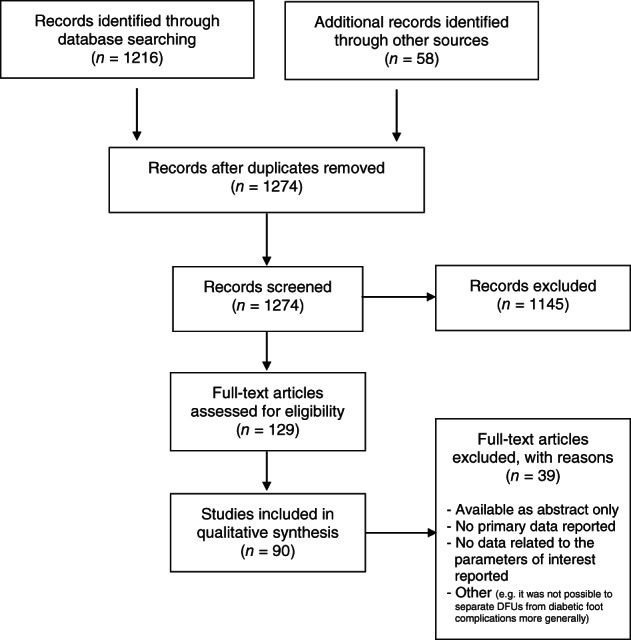
Chronic wounds are a significant problem in Australia. The health care-related costs of chronic wounds in Australia are considerable, equivalent to more than AUD $3.5 billion, approximately 2% of national health care expenditure. Chronic wounds can also have a significant negative impact on the health-related quality of life of affected individuals. Studies have demonstrated that evidence-based care for chronic wounds improves clinical outcomes. Decision analytical modelling is important in confirming and applying these findings in the Australian context. Epidemiological and clinical data on chronic wounds are required to populate decision analytical models. Although epidemiological and clinical data on chronic wounds in Australia are available, these data have yet to be systematically summarised. To address these omissions and clarify the state of existing evidence, we conducted a systematic review of the literature on key epidemiological and clinical parameters of chronic wounds in Australia. A total of 90 studies were selected for inclusion. This paper presents a synthesis of the evidence on the prevalence and incidence of chronic wounds in Australia, as well as rates of infection, hospitalisation, amputation, healing, and recurrence.
Keywords: Australia; chronic wounds; incidence; prevalence; systematic review.
© 2018 Medicalhelplines.com Inc and John Wiley & Sons Ltd.
Figures
References
-
- Graves N, Zheng H. Modelling the direct health care costs of chronic wounds in Australia. Wound Pract Res. 2014;22(1):20‐33.
-
- Gonzalez‐Consuegra R, Verdu J. Quality of life in people with venous leg ulcers: an integrative review. J Adv Nurs. 2011;67(5):926‐944. - PubMed
-
- Hopman W, van der Kerkhof EG, Carley ME, Kuhnke JL, Harrison MB. Factors associated with health‐related quality of life in chronic leg ulceration. Qual Life Res. 2014;23(6):1833‐1840. - PubMed
Publication types
MeSH terms
LinkOut - more resources
Full Text Sources
Other Literature Sources
Medical
