


PLK1 stabilizes a MYC-dependent kinase network in aggressive B cell lymphomas
- PMID: 30260324
- PMCID: PMC6264635
- DOI: 10.1172/JCI122533
PLK1 stabilizes a MYC-dependent kinase network in aggressive B cell lymphomas
Abstract
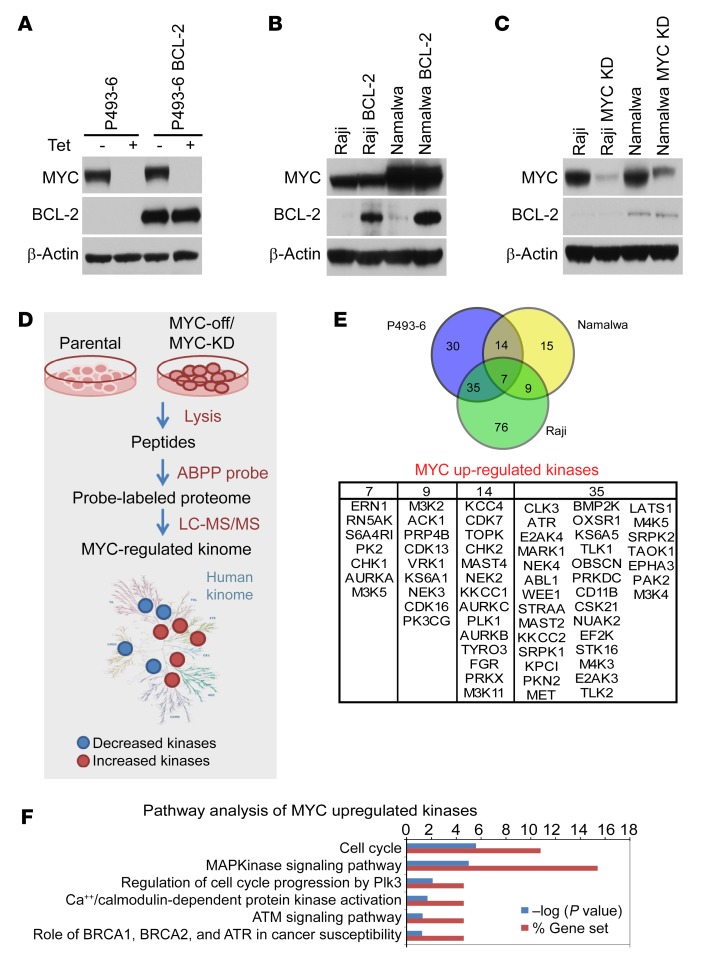
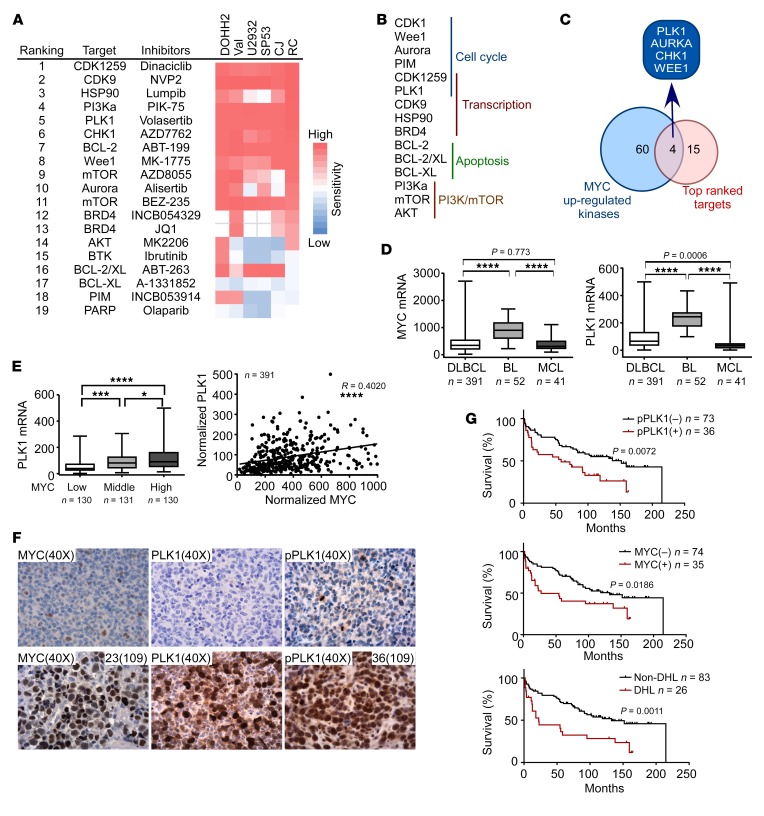
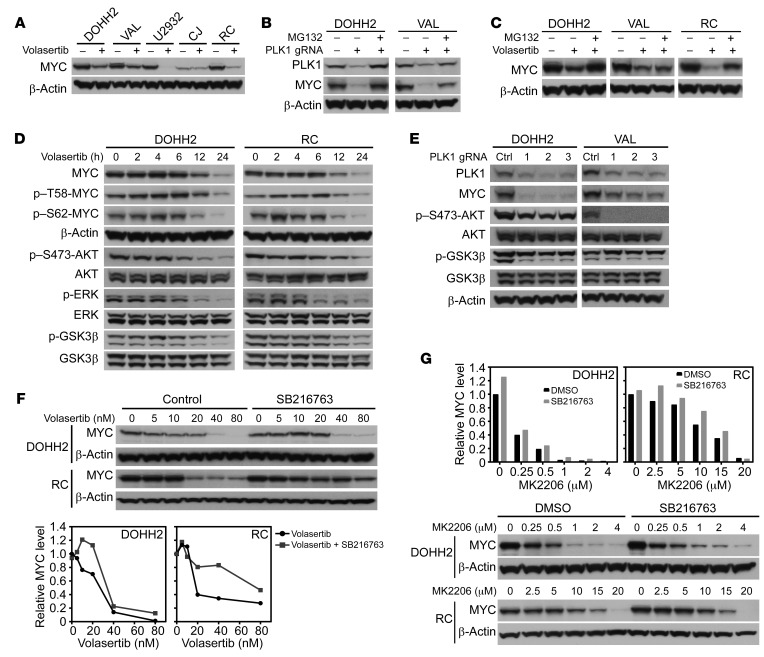
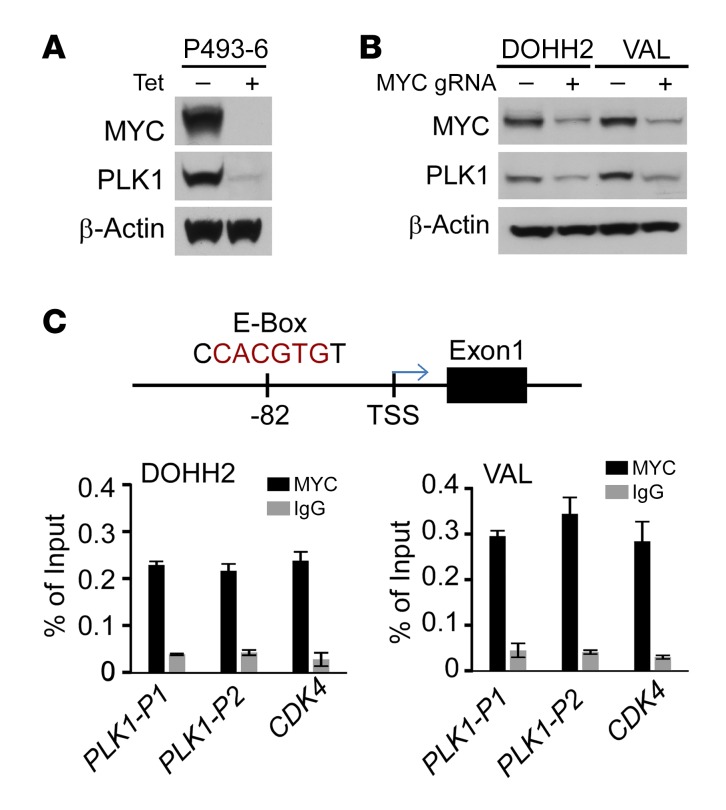
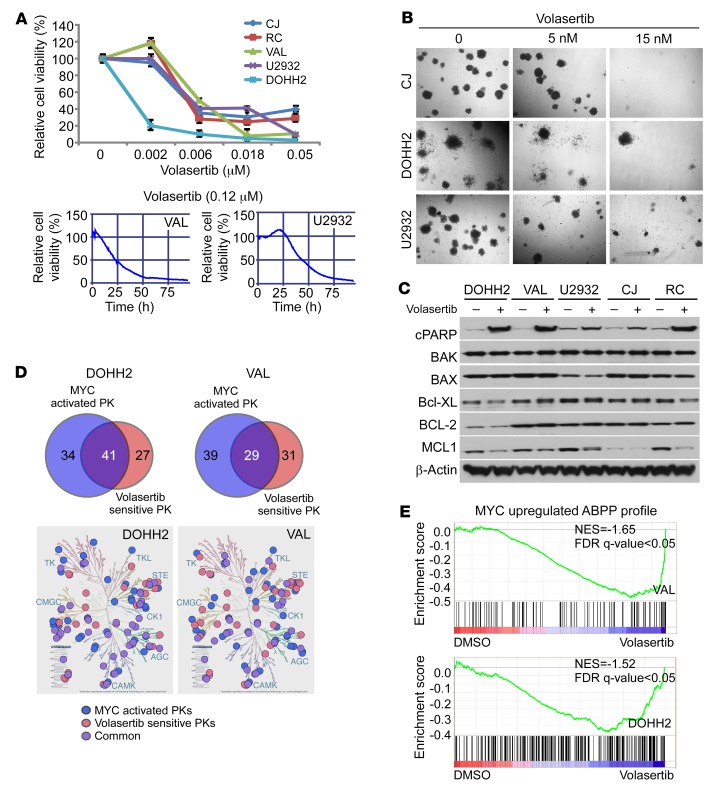
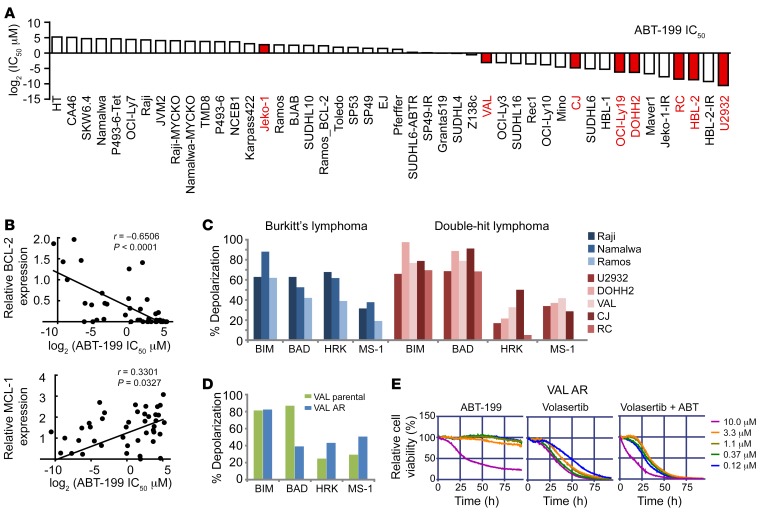
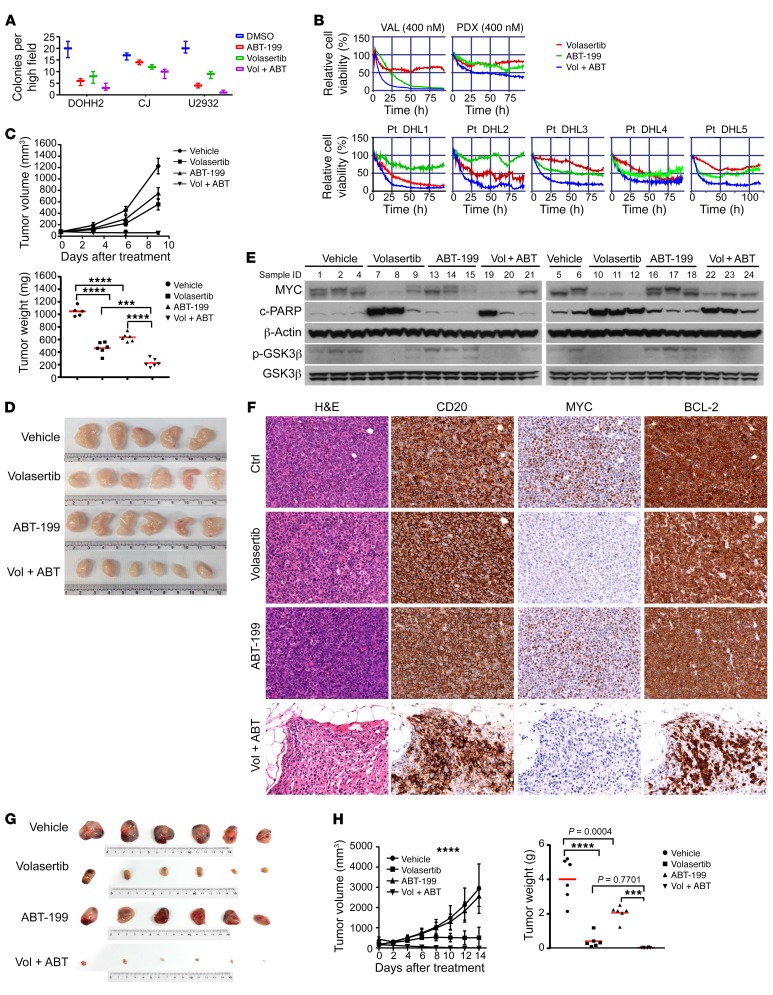
Concordant activation of MYC and BCL-2 oncoproteins in double-hit lymphoma (DHL) results in aggressive disease that is refractory to treatment. By integrating activity-based proteomic profiling and drug screens, polo-like kinase-1 (PLK1) was identified as an essential regulator of the MYC-dependent kinome in DHL. Notably, PLK1 was expressed at high levels in DHL, correlated with MYC expression, and connoted poor outcome. Further, PLK1 signaling augmented MYC protein stability, and in turn, MYC directly induced PLK1 transcription, establishing a feed-forward MYC-PLK1 circuit in DHL. Finally, inhibition of PLK1 triggered degradation of MYC and of the antiapoptotic protein MCL-1, and PLK1 inhibitors showed synergy with BCL-2 antagonists in blocking DHL cell growth, survival, and tumorigenicity, supporting clinical targeting of PLK1 in DHL.
Keywords: Cancer; Hematology; Lymphomas; Molecular biology; Oncology.
Conflict of interest statement
Figures
Comment in
-
PLK1: a promising and previously unexplored target in double-hit lymphoma.J Clin Invest. 2018 Dec 3;128(12):5206-5208. doi: 10.1172/JCI124919. Epub 2018 Nov 5. J Clin Invest. 2018. PMID: 30395539 Free PMC article.
References
Publication types
MeSH terms
Substances
Grants and funding
LinkOut - more resources
Full Text Sources
Other Literature Sources
Research Materials
Miscellaneous
