


Validation of Suitable Housekeeping Genes for the Normalization of mRNA Expression for Studying Tumor Acidosis
- PMID: 30261649
- PMCID: PMC6213411
- DOI: 10.3390/ijms19102930
Validation of Suitable Housekeeping Genes for the Normalization of mRNA Expression for Studying Tumor Acidosis
Abstract
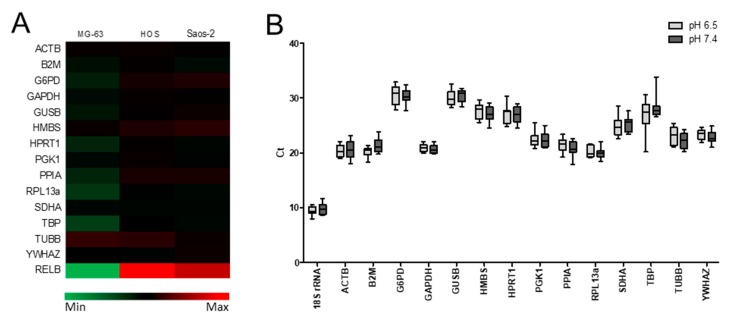
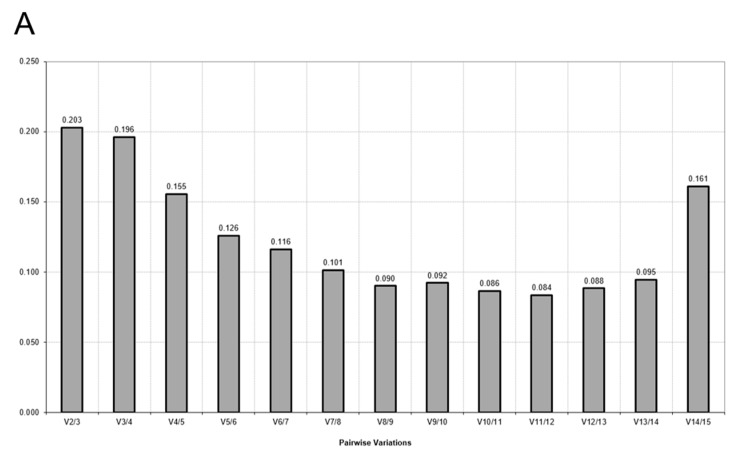
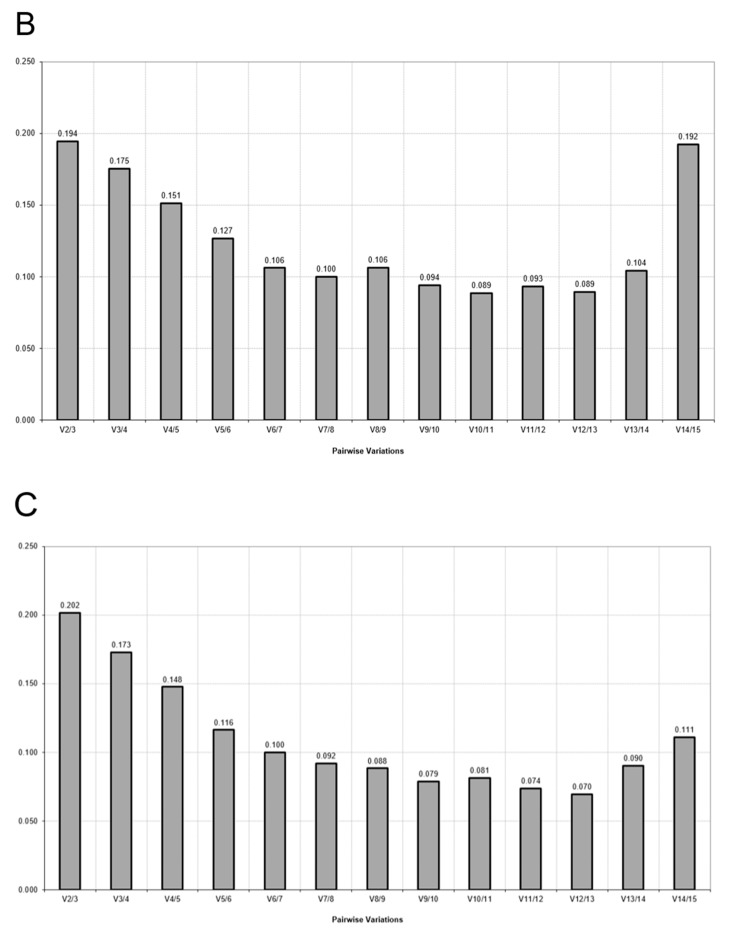
Similar to other types of cancer, acidification of tumor microenvironment is an important feature of osteosarcoma, and a major source of cellular stress that triggers cancer aggressiveness, drug resistance, and progression. Among the different effects of low extracellular pH on tumor cells, we have recently found that short-term exposure to acidosis strongly affects gene expression. This alteration might also occur for the most commonly used housekeeping genes (HKG), thereby causing erroneous interpretation of RT-qPCR data. On this basis, by using osteosarcoma cells cultured at different pH values, we aimed to identify the ideal HKG to be considered in studies on tumor-associated acidosis. We verified the stability of 15 commonly used HKG through five algorithms (NormFinder, geNorm, BestKeeper, ΔCT, coefficient of variation) and found that no universal HKG is suitable, since at least four HKG are necessary for proper normalization. Furthermore, according to the acceptable range of values, YWHAZ, GAPDH, GUSB, and 18S rRNA were the most stable reference genes at different pH. Our results will be helpful for future investigations focusing on the effect of altered microenvironment on cancer behavior, particularly on the effectiveness of anticancer therapies in acid conditions.
Keywords: RT-qPCR; acidosis; housekeeping gene; tumor microenvironment.
Conflict of interest statement
The authors declare no conflict of interest. The founding sponsors had no role in the design of the study; in the collection, analyses, or interpretation of data; in the writing of the manuscript, and in the decision to publish the results.
Figures
References
-
- Warburg O. On the origin of cancer cells. Science. 1956;123:309–314. - PubMed
-
- Lemma S., Di Pompo G., Porporato P.E., Sboarina M., Russell S., Gillies R.J., Baldini N., Sonveaux P., Avnet S. MDA-MB-231 breast cancer cells fuel osteoclast metabolism and activity: A new rationale for the pathogenesis of osteolytic bone metastases. Biochim. Biophys. Acta. 2017;1863:3254–3264. doi: 10.1016/j.bbadis.2017.08.030. - DOI - PubMed
MeSH terms
Substances
Grants and funding
LinkOut - more resources
Full Text Sources
Other Literature Sources
Research Materials
