


Urticaria and angioedema
- PMID: 30263036
- PMCID: PMC6157046
- DOI: 10.1186/s13223-018-0288-z
Urticaria and angioedema
Abstract
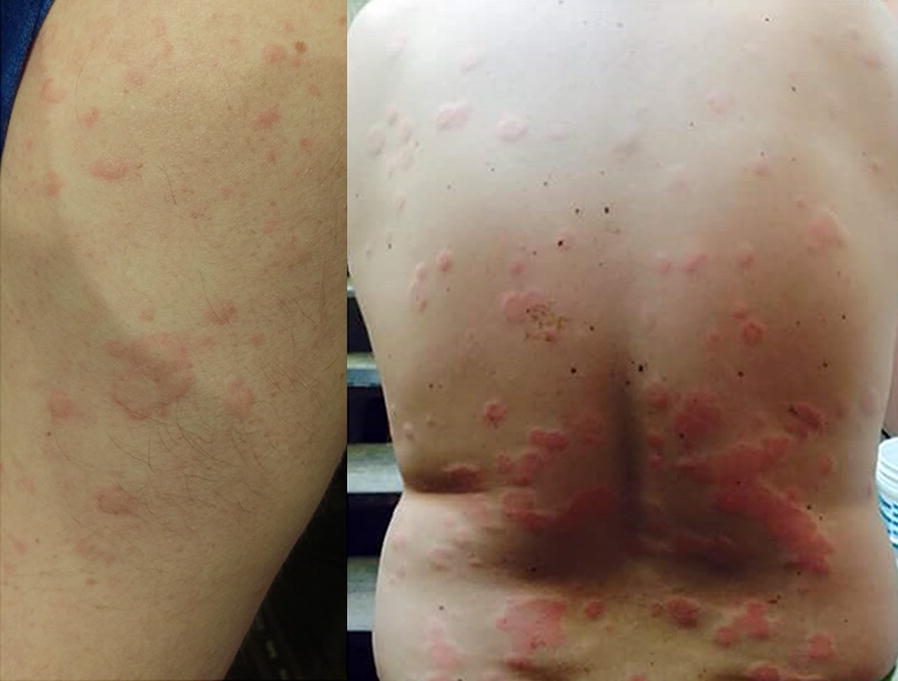
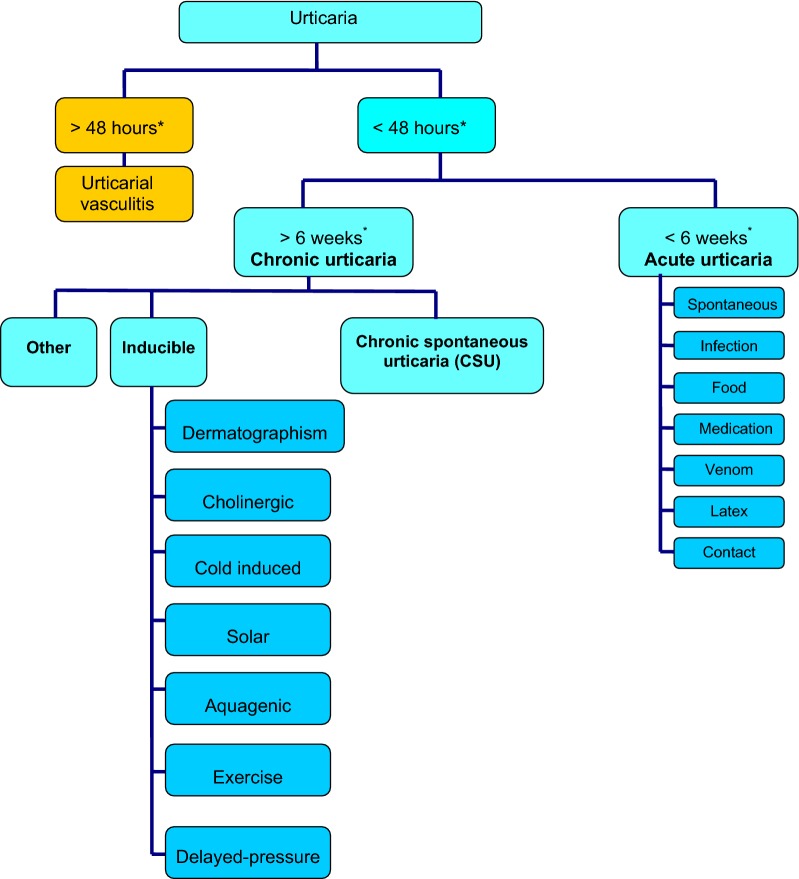
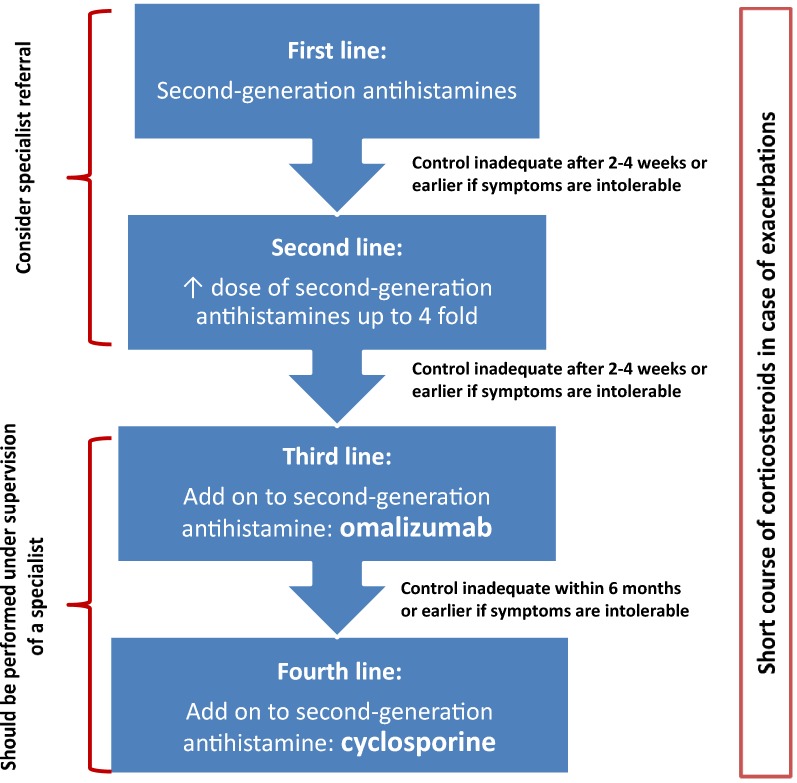
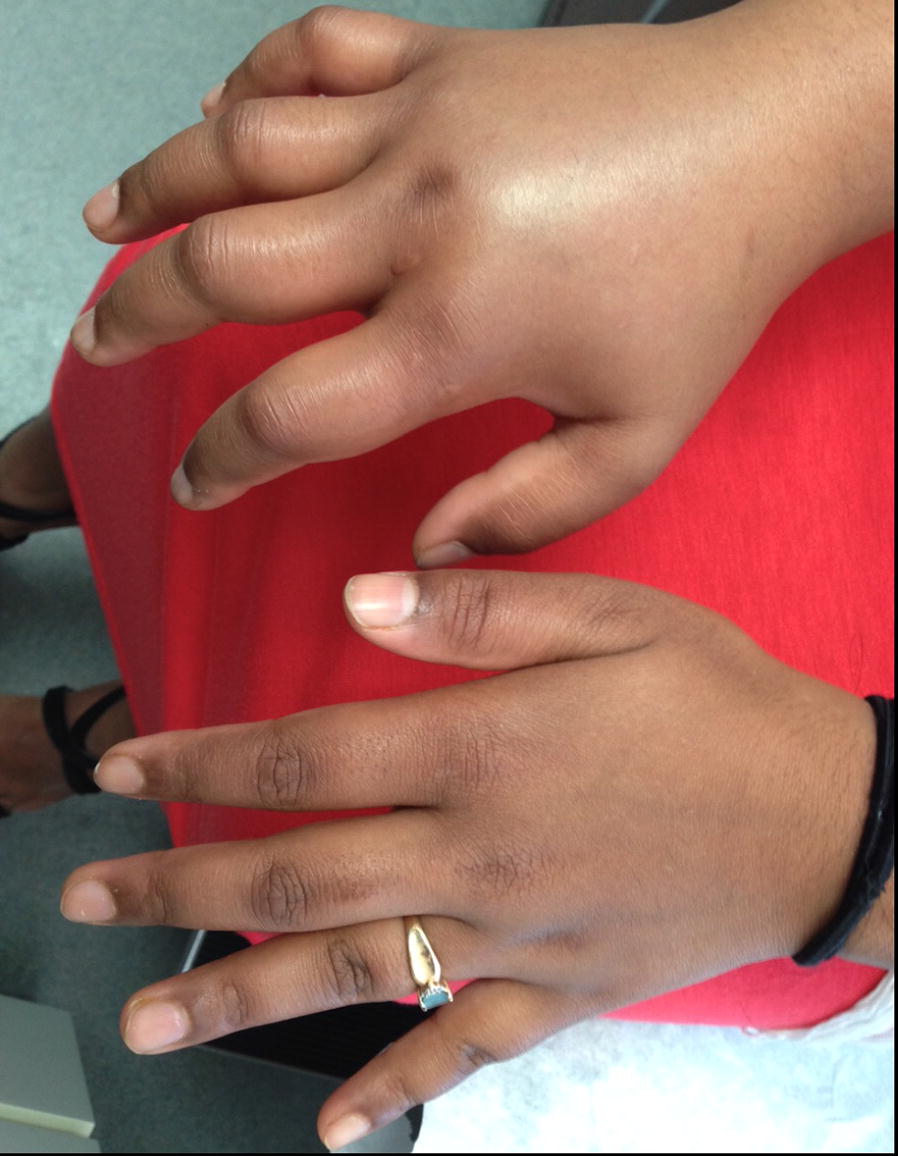
Urticaria (hives) is a common disorder that often presents with angioedema (swelling that occurs beneath the skin). It is generally classified as acute or chronic. Second-generation, non-sedating, non-impairing histamine type 1 (H1)-receptor antihistamines represent the mainstay of therapy for both acute and chronic urticaria. Angioedema can occur in the absence of urticaria and can be broadly divided into histamine-mediated and non-histamine-mediated angioedema. Histamine-mediated angioedema can be allergic, pseudoallergic or idiopathic. Non-histamine mediated angioedema is largely driven by bradykinin and can be hereditary, acquired or drug-induced, such as with angiotensin-converting enzyme inhibitors. Although bradykinin-mediated angioedema is often self-limited, laryngeal involvement can lead to fatal asphyxiation. The mainstay of management for angioedema is to avoid specific triggers, if possible. For hereditary angioedema, there are specifically licensed treatments that can be used for the management of acute attacks, or for prophylaxis in order to prevent attacks. In this article, the authors will review the causes, diagnosis and management of urticaria (with or without angioedema) and isolated angioedema. The diagnostic and therapeutic approaches to these two conditions are considerably different, and this review is designed to highlight these differences to the reader.
Keywords: Acquired angioedema; Acute urticaria; Angioedema; Chronic spontaneous urticaria; Chronic urticaria; Hereditary angioedema; Inducible urticaria; Urticaria.
Figures
References
-
- Zuberbier T, Aberer W, Asero R, Bindslev-Jensen C, Brzoza Z, Canonica GW, Church MK, Ensina LF, Giménez-Arnau A, Godse K, Gonçalo M, Grattan C, Hebert J, Hide M, Kaplan A, Kapp A, Abdul Latiff AH, Mathelier-Fusade P, Metz M, Nast A, Saini SS, Sánchez-Borges M, Schmid-Grendelmeier P, Simons FE, Staubach P, Sussman G, Toubi E, Vena GA, Wedi B, Zhu XJ, Maurer M, European Academy of Allergy and Clinical Immunology. Global Allergy and Asthma European Network. European Dermatology Forum. World Allergy Organization The EAACI/GA2LEN/EDF/WAO Guideline for the definition, classification, diagnosis and management of urticaria: the 2013 revision and update. Allergy. 2014;69(7):868–887. doi: 10.1111/all.12313. - DOI - PubMed
Publication types
LinkOut - more resources
Full Text Sources
Other Literature Sources
