


Oxygen Regulation in Development: Lessons from Embryogenesis towards Tissue Engineering
- PMID: 30273927
- PMCID: PMC6397050
- DOI: 10.1159/000493162
Oxygen Regulation in Development: Lessons from Embryogenesis towards Tissue Engineering
Abstract
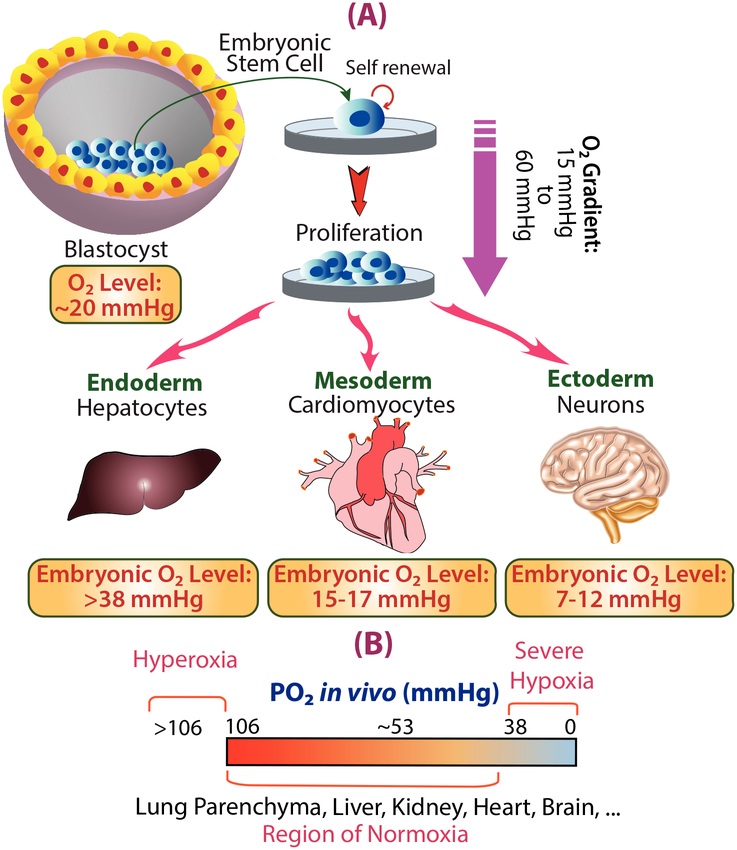
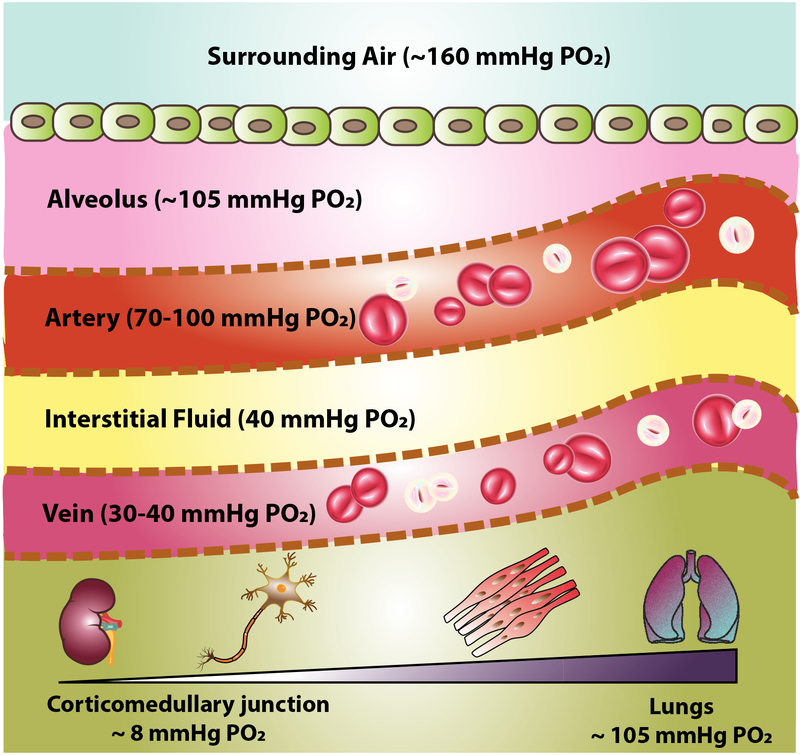
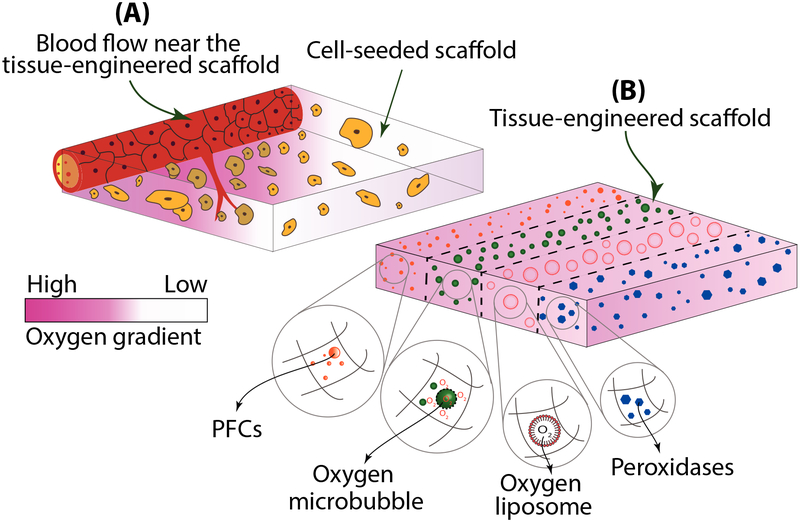
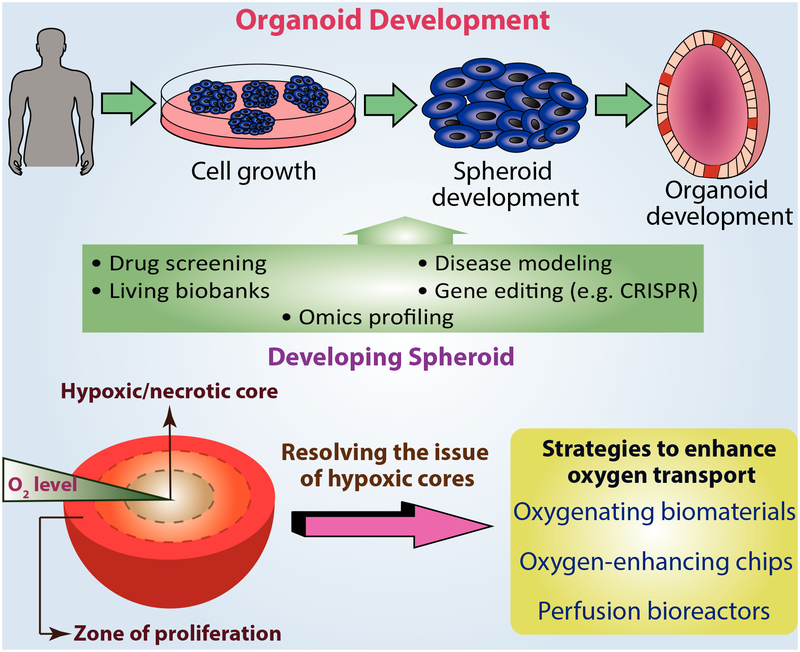
Oxygen is a vital source of energy necessary to sustain and complete embryonic development. Not only is oxygen the driving force for many cellular functions and metabolism, but it is also involved in regulating stem cell fate, morphogenesis, and organogenesis. Low oxygen levels are the naturally preferred microenvironment for most processes during early development and mainly drive proliferation. Later on, more oxygen and also nutrients are needed for organogenesis and morphogenesis. Therefore, it is critical to maintain oxygen levels within a narrow range as required during development. Modulating oxygen tensions is performed via oxygen homeostasis mainly through the function of hypoxia-inducible factors. Through the function of these factors, oxygen levels are sensed and regulated in different tissues, starting from their embryonic state to adult development. To be able to mimic this process in a tissue engineering setting, it is important to understand the role and levels of oxygen in each developmental stage, from embryonic stem cell differentiation to organogenesis and morphogenesis. Taking lessons from native tissue microenvironments, researchers have explored approaches to control oxygen tensions such as hemoglobin-based, perfluorocarbon-based, and oxygen-generating biomaterials, within synthetic tissue engineering scaffolds and organoids, with the aim of overcoming insufficient or nonuniform oxygen levels and nutrient supply.
Keywords: Embryonic development; Hypoxia; Morphogenesis; Organoids; Oxygen bioavailability; Oxygen delivery; Tissue engineering.
© 2018 S. Karger AG, Basel.
Conflict of interest statement
Disclosure Statement
The authors have no conflicts of interest to declare.
Figures
References
-
- Akkerman N, Defize LH (2017) Dawn of the organoid era: 3D tissue and organ cultures revolutionize the study of development, disease, and regeneration. BioEssays: news and reviews in molecular, cellular and developmental biology 39(4). - PubMed
-
- Anada T, Fukuda J, Sai Y, Suzuki O (2012) An oxygen-permeable spheroid culture system for the prevention of central hypoxia and necrosis of spheroids. Biomaterials 33(33): 8430–8441. - PubMed
Publication types
MeSH terms
Substances
Grants and funding
LinkOut - more resources
Full Text Sources
Other Literature Sources
