Case Series of Inappropriate Concentration of Intraocular Sulfur Hexafluoride
- PMID: 30283327
- PMCID: PMC6167721
- DOI: 10.1159/000492746
Case Series of Inappropriate Concentration of Intraocular Sulfur Hexafluoride
Abstract
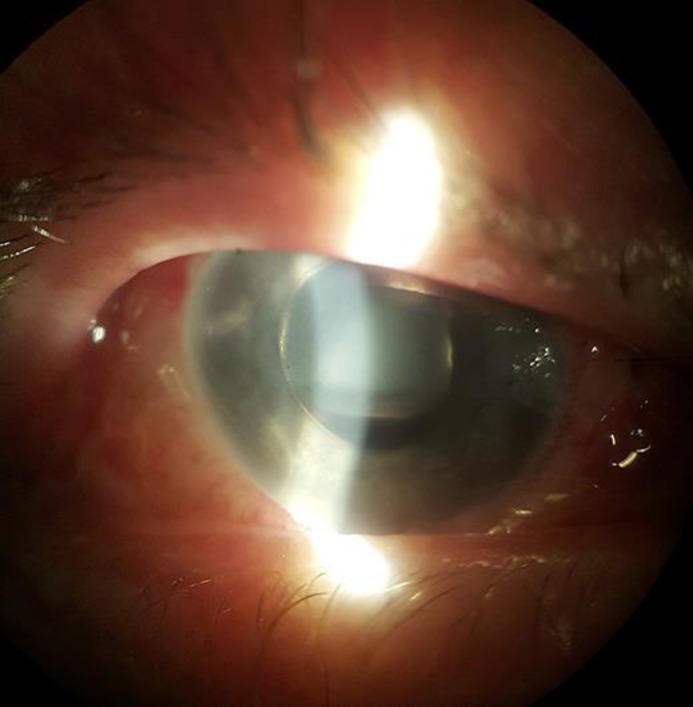
Due to high complexity, vitreoretinal surgery presents a higher number of patient safety incidents compared with other ophthalmic procedures. Intraocular gases are one of the most useful adjuncts to vitrectomy and surprisingly, surgeons commonly admit to having occasional problems with incorrect gas concentration. The aim of this study is to present a consecutive case series of patients with improper concentration of sulfur hexafluoride (SF6) applied during vitrectomy. Three patients underwent 27-gauge vitrectomy and at the end of surgery inappropriate dilution of 100% SF6 was administered. It was attributed to a calculation error, change in the gas supplier, or increased partial pressure of SF6 before dilution. Postoperatively, due to IOP increase, two eyes required intravitreal gas-air exchange. Subsequently, cataract surgery was performed in one eye with concomitant vitrectomy and silicone oil tamponade due to retinal detachment. To prevent such complications, we suggest using intraocular gases with great care, training of ophthalmic personnel, and prompting manufacturers to provide SF6 in a prepared concentration of 20%.
Keywords: Expandable gas; Intraocular pressure; Intraocular tamponade; Sulfur hexafluoride; Vitrectomy.
Figures
References
-
- Norton EW. Intraocular gas in the management of selected retinal detachments. Trans Am Acad Ophthalmol Otolaryngol. 1973 Mar-Apr;77((2)):OP85–98. - PubMed
-
- Wong R, Gupta B, Williamson TH, Laidlaw DA. Day 1 postoperative intraocular pressure spike in vitreoretinal surgery (VDOP1) Acta Ophthalmol. 2011 Jun;89((4)):365–8. - PubMed
-
- Chen TC. Risk Factors for Intraocular Pressure Elevations After Pupillary Dilation in Patients With Open Angles. Ann Ophthalmol. 2005;37:069–076.
-
- Kontos A, Tee J, Stuart A, Shalchi Z, Williamson TH. Duration of intraocular gases following vitreoretinal surgery. Graefes Arch Clin Exp Ophthalmol. 2017 Feb;255((2)):231–6. - PubMed
-
- Assi A, Gregor Z. The use of intravitreal gases in non-vitrectomised eyes. Eye (Lond) 2001 Aug;15((Pt 4)):497–506. - PubMed
Publication types
LinkOut - more resources
Full Text Sources