


Genomic Analyses of Human European Diversity at the Southwestern Edge: Isolation, African Influence and Disease Associations in the Canary Islands
- PMID: 30289472
- PMCID: PMC6278859
- DOI: 10.1093/molbev/msy190
Genomic Analyses of Human European Diversity at the Southwestern Edge: Isolation, African Influence and Disease Associations in the Canary Islands
Abstract
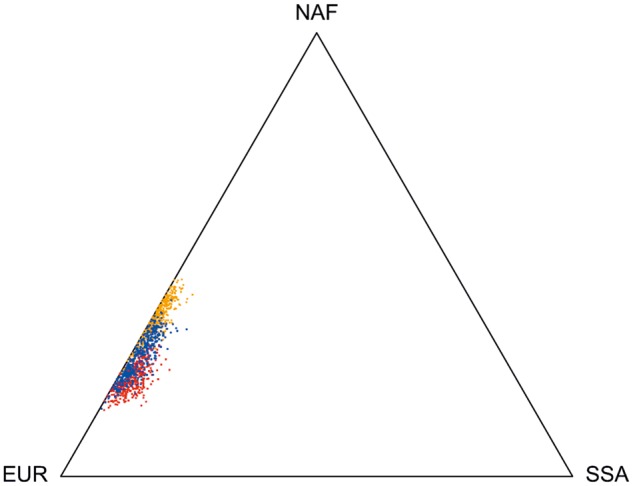
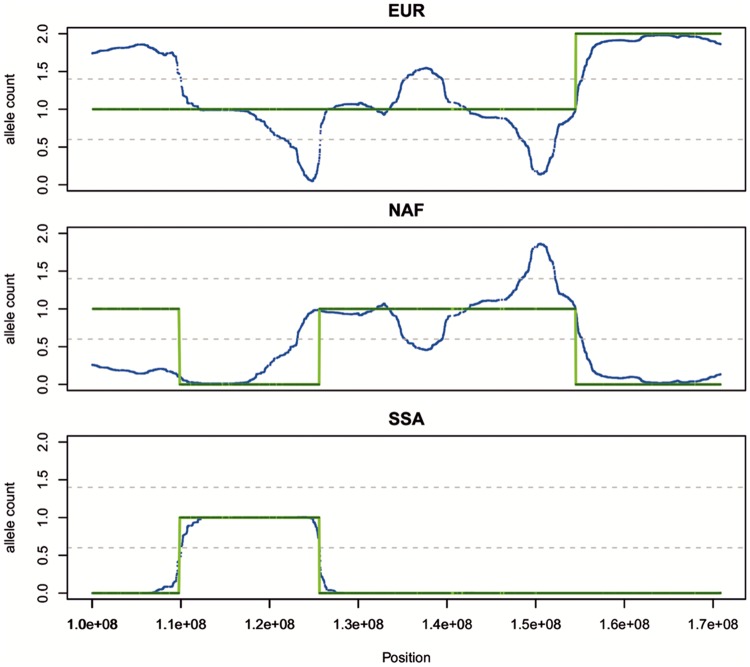
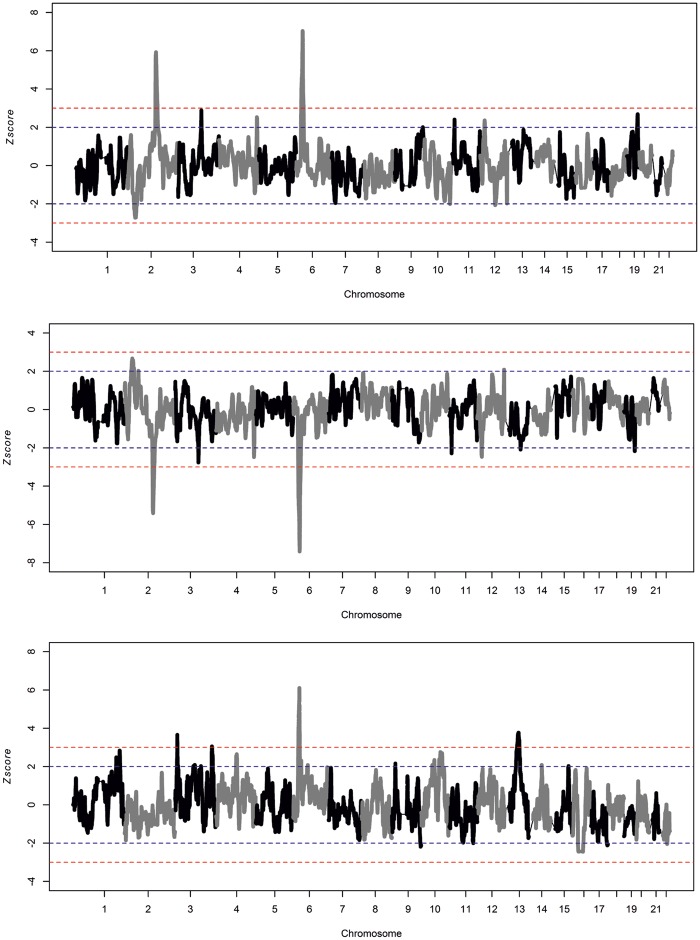
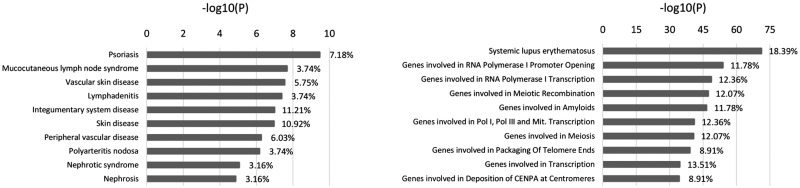
Despite the genetic resemblance of Canary Islanders to other southern European populations, their geographical isolation and the historical admixture of aborigines (from North Africa) with sub-Saharan Africans and Europeans have shaped a distinctive genetic makeup that likely affects disease susceptibility and health disparities. Based on single nucleotide polymorphism array data and whole genome sequencing (30×), we inferred that the last African admixture took place ∼14 generations ago and estimated that up to 34% of the Canary Islander genome is of recent African descent. The length of regions in homozygosis and the ancestry-related mosaic organization of the Canary Islander genome support the view that isolation has been strongest on the two smallest islands. Furthermore, several genomic regions showed significant and large deviations in African or European ancestry and were significantly enriched in genes involved in prevalent diseases in this community, such as diabetes, asthma, and allergy. The most prominent of these regions were located near LCT and the HLA, two well-known targets of selection, at which 40‒50% of the Canarian genome is of recent African descent according to our estimates. Putative selective signals were also identified in these regions near the SLC6A11-SLC6A1, KCNMB2, and PCDH20-PCDH9 genes. Taken together, our findings provide solid evidence of a significant recent African admixture, population isolation, and adaptation in this part of Europe, with the favoring of African alleles in some chromosome regions. These findings may have medical implications for populations of recent African ancestry.
Figures
References
-
- Ara MF. 1959. Algunas observaciones acerca de la Antropología de las poblaciones prehistórica y actual de Gran Canaria. Las Palmas de Gran Canaria: El Museo Canario.
-
- Aragón-Sánchez J, García-Rojas A, Lázaro-Martínez JL, Quintana-Marrero Y, Maynar-Moliner M, Rabellino M, Hernández-Herrero MJ, Cabrera-Galván JJ.. 2009. Epidemiology of diabetes-related lower extremity amputations in Gran Canaria, Canary Islands (Spain). Diabetes Res Clin Pract. 86(1):e6–e8. - PubMed
-
- Arco MC, Navarro JF.. 1987. Historia popular de Canarias. Vol. 1. Los aborígenes. S/C de Tenerife: Centro de la Cultura Popular Canaria.
Publication types
MeSH terms
LinkOut - more resources
Full Text Sources
Research Materials
