


Frequent PTEN loss and differential HER2/PI3K signaling pathway alterations in salivary duct carcinoma: Implications for targeted therapy
- PMID: 30289966
- PMCID: PMC6176717
- DOI: 10.1002/cncr.31600
Frequent PTEN loss and differential HER2/PI3K signaling pathway alterations in salivary duct carcinoma: Implications for targeted therapy
Abstract
Background: Patients with advanced primary and recurrent salivary duct carcinoma (SDC), a rare and lethal malignancy, have limited therapeutic options. Novel small-molecule agents aimed at targeting critical signaling associated with SDC tumorigenesis may lead to new therapeutic options for patients with these tumors. The human epidermal growth factor receptor 2 (HER2)/phosphoinositide 3-kinase (PI3K) axis, an important oncogenic pathway, has been targeted for therapy in several solid tumors. Currently, little is known about the role and clinical implications of alterations of the HER2/PI3K pathway in patients with SDC.
Methods: The authors investigated the clinicopathologic features, genetic alterations, and expression of key members of the HER2/PI3K pathway in 43 primary tumors and conducted in vitro functional and targeted drug-response analyses on cell lines derived from salivary epithelial carcinomas.
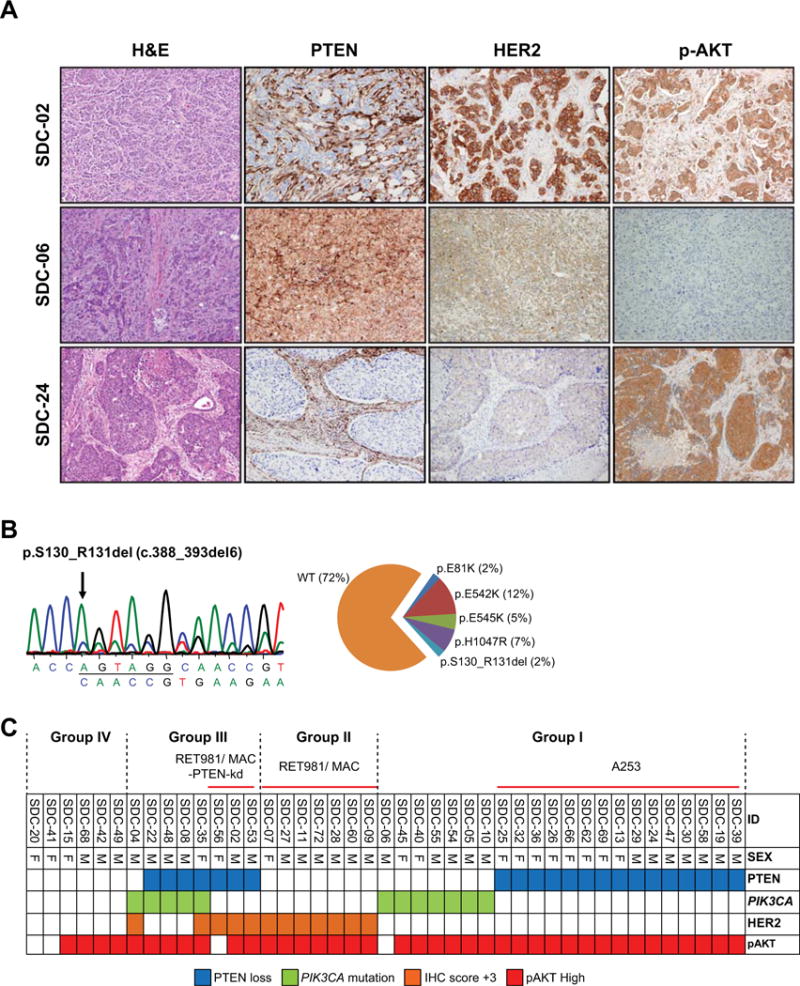
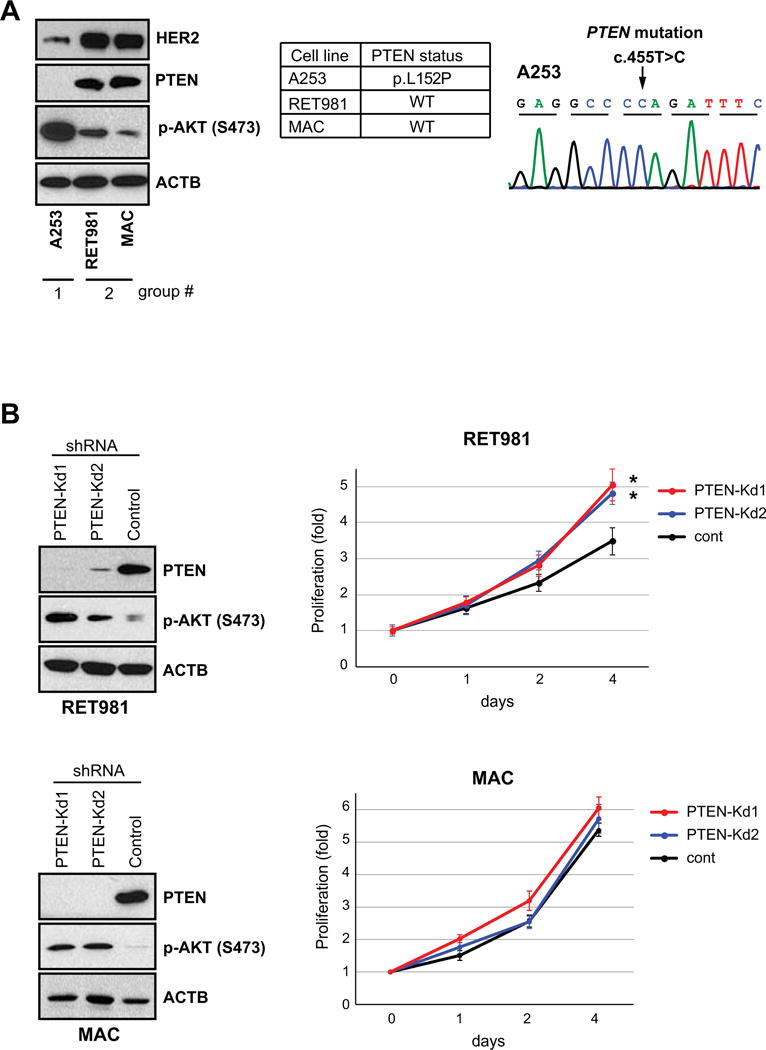
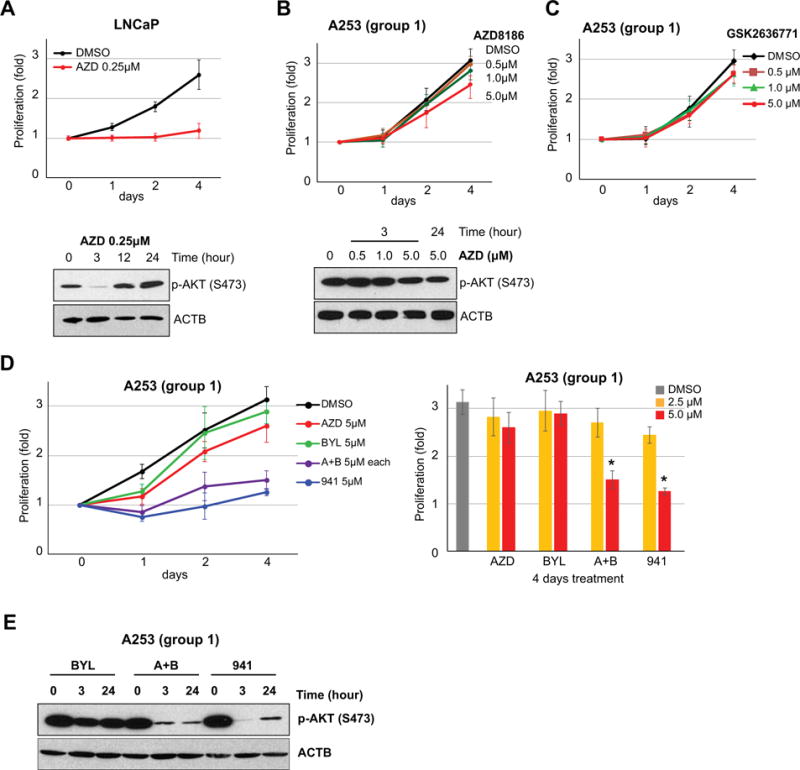
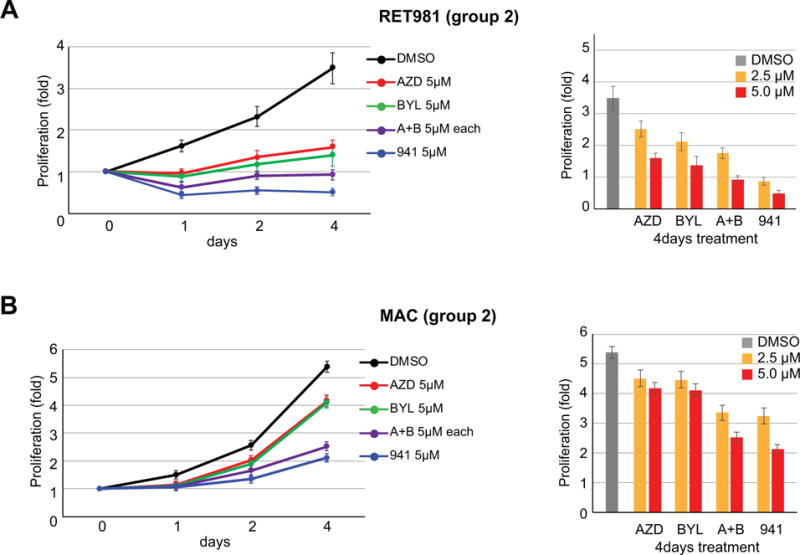
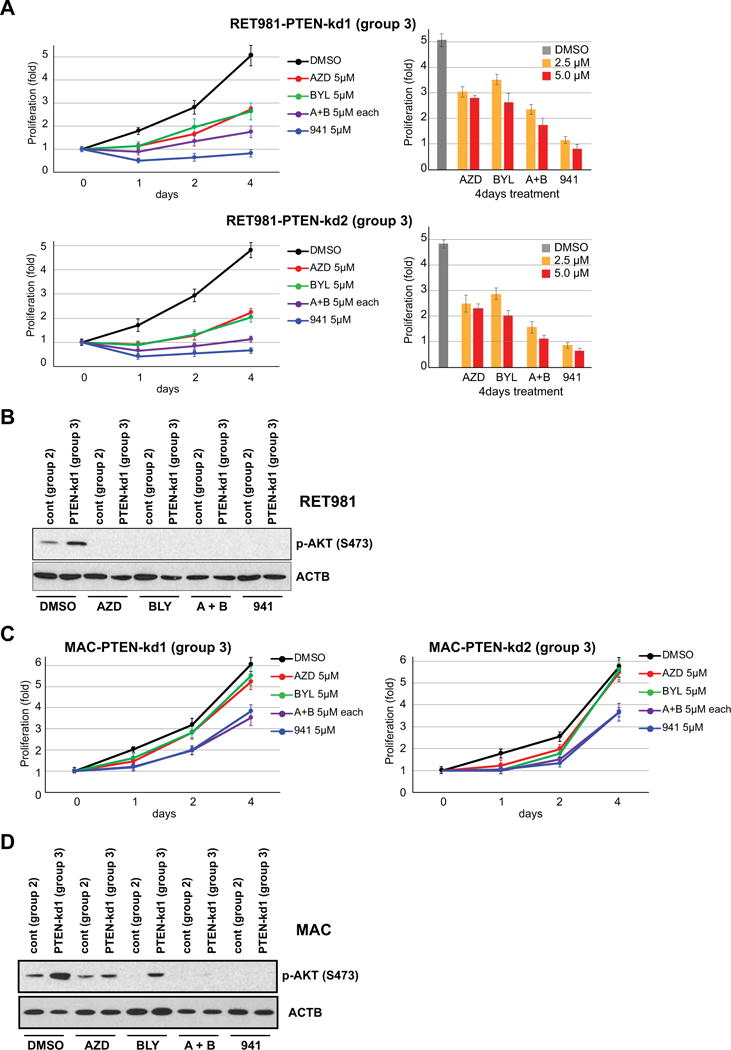
Results: In primary tumors, loss of phosphatase and tensin homolog (PTEN) expression was identified in 22 of 43 tumors (51%), overexpression of HER2 was observed in 12 of 43 tumors (28%), and phosphatidylinositol-4,5-bisphosphate 3-kinase catalytic subunit alpha (PIK3CA) mutations were identified in 12 of 43 tumors (28%). Phosphorylated protein kinase B (p-AKT) was highly expressed in most tumors. Most tumors (70%) displayed mutually exclusive alterations of PI3K members, whereas 8 tumors (19%) had 2 or more concurrent abnormalities. In vitro studies demonstrated a direct association between PTEN loss and PI3K pathway activation and evidence of response to combined PI3Kα and PI3Kβ and/or pan-PI3K inhibitors.
Conclusions: The current analyses reveal frequent PTEN loss and mutually exclusive alterations of key PI3K pathway members in SDC and demonstrate in vitro evidence of a response to pan-PI3K inhibitors. These results provide a framework for a biomarker-based substratification of patients with SDC in future targeted therapy. Cancer 2018;124:3523-32. © 2018 American Cancer Society.
Keywords: phosphatase and tensin homolog (PTEN) loss; phosphoinositide 3-kinase (PI3K) pathway; salivary duct carcinoma; salivary gland carcinoma; targeted therapy.
© 2018 American Cancer Society.
Conflict of interest statement
Figures
References
-
- Wee DT, Thomas AA, Bradley PJ. Salivary duct carcinoma: what is already known, and can we improve survival? J Laryngol Otol. 2012;126(Suppl 2):S2–7. - PubMed
-
- Murrah VA, Batsakis JG. Salivary duct carcinoma. Ann Otol Rhinol Laryngol. 1994;103:244–247. - PubMed
-
- Barnes L, Rao U, Krause J, Contis L, Schwartz A, Scalamogna P. Salivary duct carcinoma. Part I. A clinicopathologic evaluation and DNA image analysis of 13 cases with review of the literature. Oral Surg Oral Med Oral Pathol. 1994;78:64–73. - PubMed
-
- Simpson RH, Prasad AR, Lewis JE, Skalova A, David L. Mucin-rich variant of salivary duct carcinoma: a clinicopathologic and immunohistochemical study of four cases. Am J Surg Pathol. 2003;27:1070–1079. - PubMed
-
- Yakirevich E, Sabo E, Klorin G, et al. Primary mucin-producing tumours of the salivary glands: a clinicopathological and morphometric study. Histopathology. 2010;57:395–409. - PubMed
Publication types
MeSH terms
Substances
Grants and funding
LinkOut - more resources
Full Text Sources
Medical
Research Materials
Miscellaneous
