Review
. 2019 Jan 23;119(2):797-828.
doi: 10.1021/acs.chemrev.8b00211. Epub 2018 Oct 8.

Transition Metal Complexes and Photodynamic Therapy from a Tumor-Centered Approach: Challenges, Opportunities, and Highlights from the Development of TLD1433

Affiliations
Review

Transition Metal Complexes and Photodynamic Therapy from a Tumor-Centered Approach: Challenges, Opportunities, and Highlights from the Development of TLD1433

Susan Monro et al. Chem Rev. .

Abstract

Transition metal complexes are of increasing interest as photosensitizers in photodynamic therapy (PDT) and, more recently, for photochemotherapy (PCT). In recent years, Ru(II) polypyridyl complexes have emerged as promising systems for both PDT and PCT. Their rich photochemical and photophysical properties derive from a variety of excited-state electronic configurations accessible with visible and near-infrared light, and these properties can be exploited for both energy- and electron-transfer processes that can yield highly potent oxygen-dependent and/or oxygen-independent photobiological activity. Selected examples highlight the use of rational design in coordination chemistry to control the lowest-energy triplet excited-state configurations for eliciting a particular type of photoreactivity for PDT and/or PCT effects. These principles are also discussed in the context of the development of TLD1433, the first Ru(II)-based photosensitizer for PDT to enter a human clinical trial. The design of TLD1433 arose from a tumor-centered approach, as part of a complete PDT package that includes the light component and the protocol for treating non-muscle invasive bladder cancer. Briefly, this review summarizes the challenges to bringing PDT into mainstream cancer therapy. It considers the chemical and photophysical solutions that transition metal complexes offer, and it puts into context the multidisciplinary effort needed to bring a new drug to clinical trial.


Figures
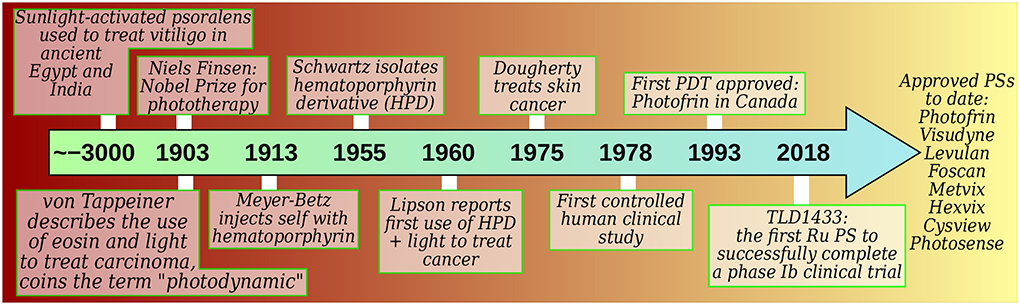
Figure 1.
Figure 1.
Historical development of PDT according to selected milestones. PS=photosensitizer.
Figure 2.
Figure 2.
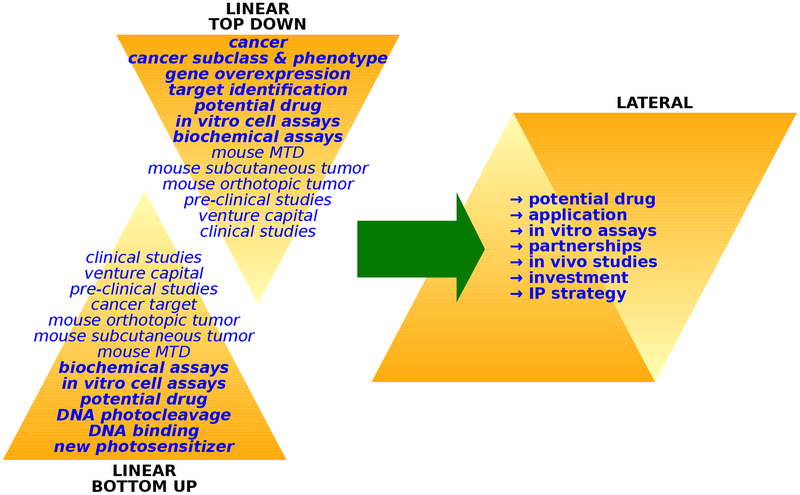
Academic (left) and multi-dimensional (right) approaches to PDT research.
Figure 3.
Figure 3.
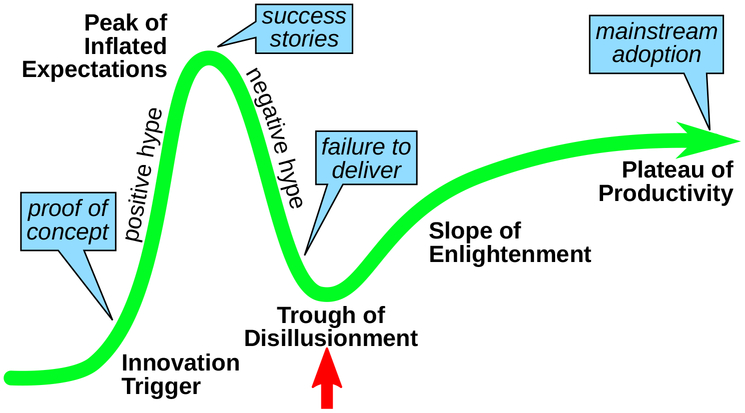
Gartner hype cycle for innovative technologies.
Figure 4.
Figure 4.
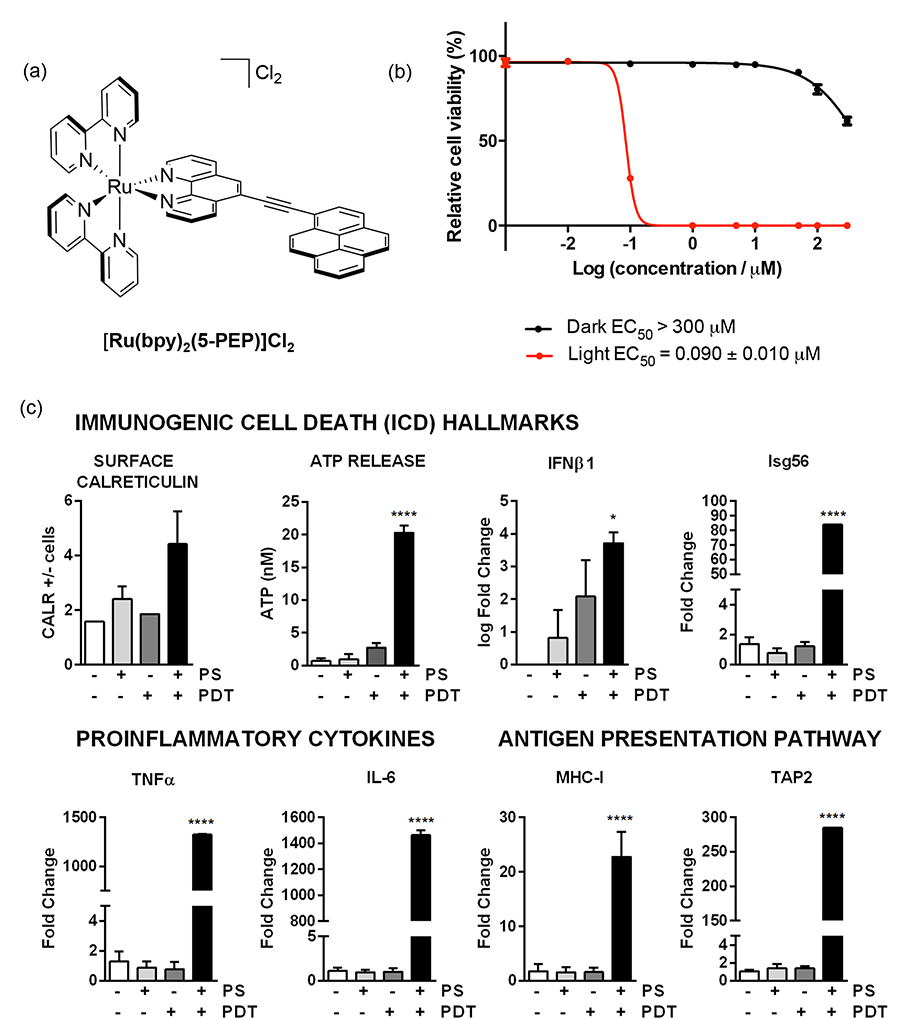
(a) Chemical structure of metal-organic dyad [Ru(bpy)2(5-PEP)]Cl2 (only Λ isomer shown), (b) (Photo)cytotoxicity against SKMEL28 melanoma cells for [Ru(bpy)2(5-PEP)]2+ with and without transferrin (Tf). PS=photosensitizer. (c) Immunomodulatory potential of [Ru(bpy)2(5-PEP)]Cl2 (100 nM) toward B16F10 melanoma cells. The light treatment was 100 J cm−2 of broadband visible (400–700 nm) light delivered at a rate of ~28 mW cm−2. The PS-to-light interval was 16 h.
Figure 5.
Figure 5.
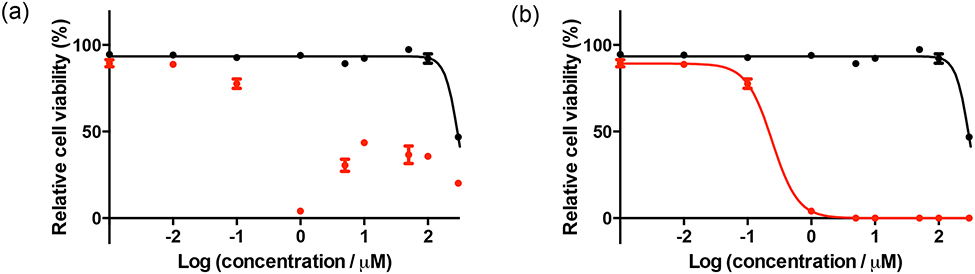
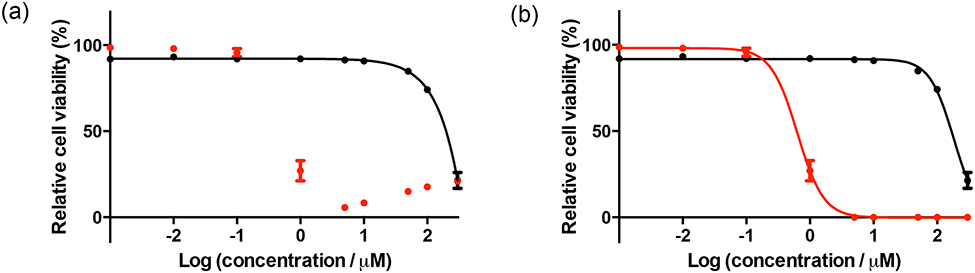
Dose-response curves for HL-60 human leukemia cells treated with TLD1433 with (red) or without (black) a light treatment, (a) Uncorrected data, (b) corrected data. The light treatment was 100 J cm−2 of broadband visible (400–700 nm) light delivered at a rate of ~28 mW cm−2. The photosensitizer-to-light interval was 16 h.
Figure 6.
Figure 6.
Dose-response curves for SKMEL28 human melanoma cells treated with [Ru(bpy)2(dppn)]CL with (red) or without (black) a light treatment, (a) Uncorrected data, (b) corrected data. The light treatment was 100 J cm−2 of broadband visible (400–700 nm) light delivered at a rate of ~28 mW cm−2. The photosensitizer-to-light interval was 16 h.
Figure 7.
Figure 7.
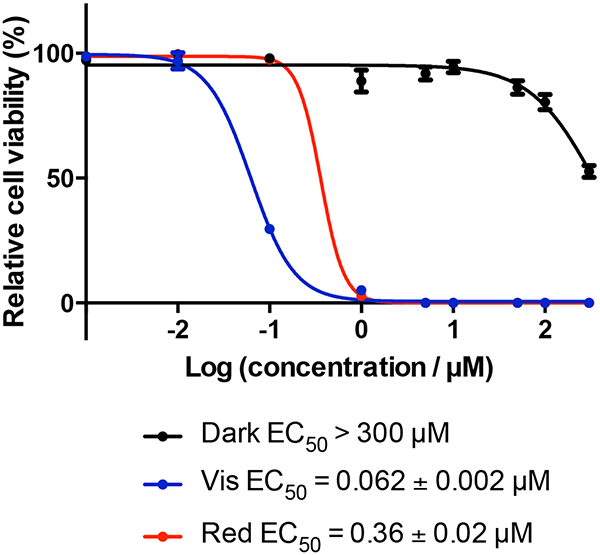
In vitro dose-response curves for SKMEL28 cells treated with [Ru(bpy)2(dppn)]Cl2 using the standard assay conditions.
Figure 8.
Figure 8.
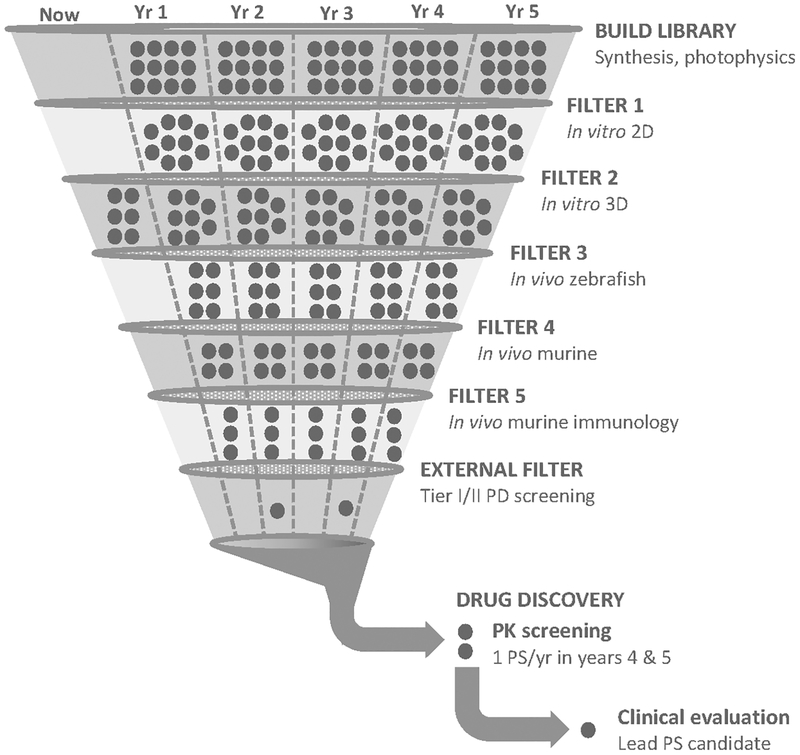
Filter process for hit (lead) identification. Image used with permission from Mr. Martin Greenwood, CEO, Photodynamic Inc.®
Figure 9.
Figure 9.
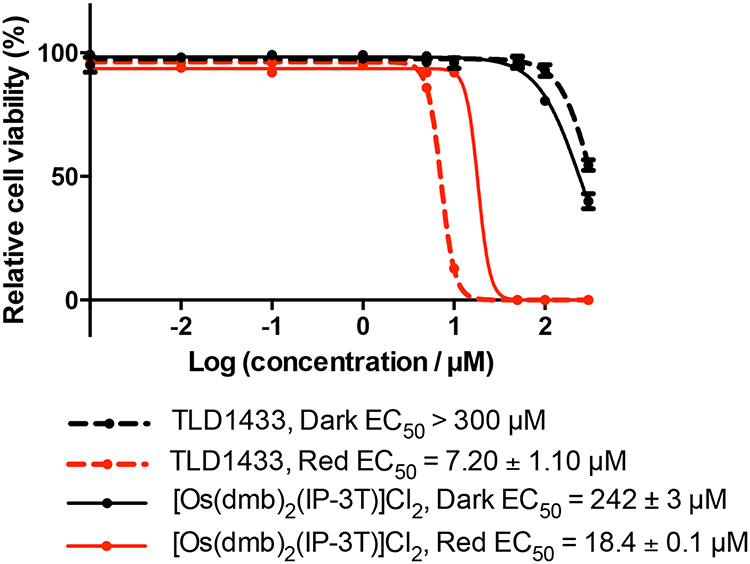
(Photo)cytotoxicity dose-response profiles toward HL-60 human leukemia cells for Ru(II) versus Os(II) dyads derived from the IP-3T ligand. Light treatments were 100 J cm−2 of red (625 nm) light delivered at a rate of ~28 mW cm−2. The photosensitizer-to-light interval was 16 h.
Figure 10.
Figure 10.
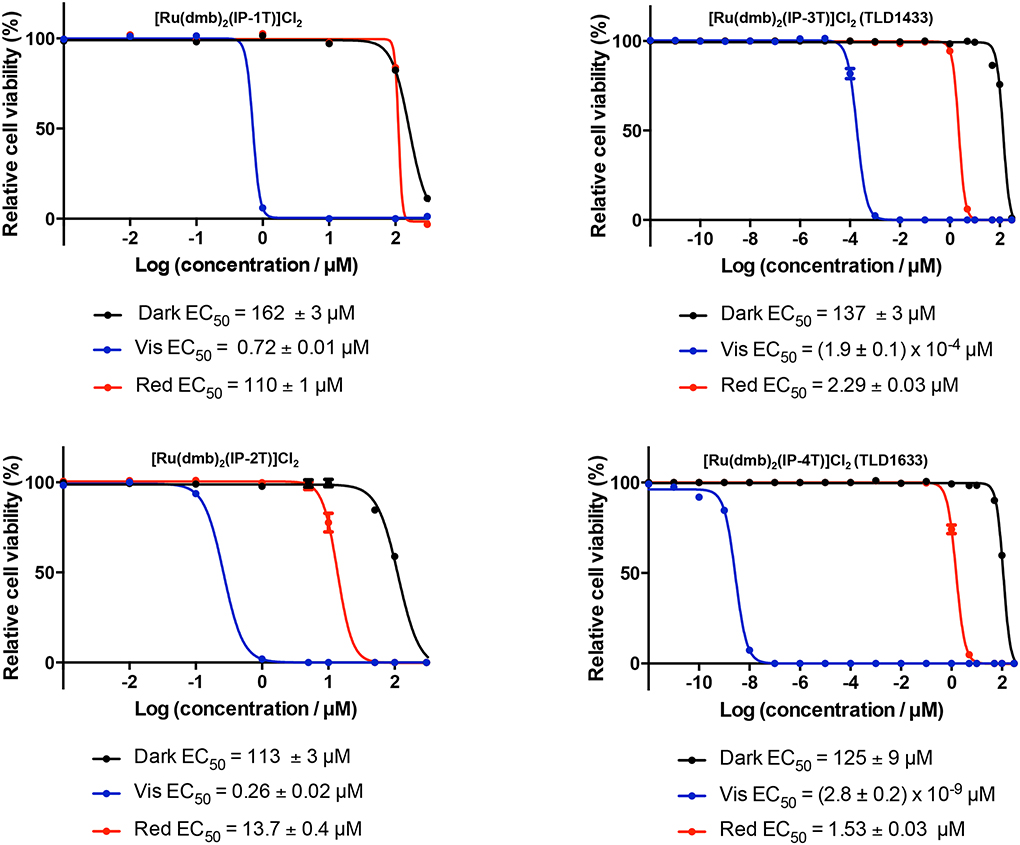
(Photo)cytotoxicity dose-response profiles toward SK-MEL-28 melanoma cells for Ru(II) dyads derived from the functional IP-nT ligand, where n=1–4. Light treatments were 100 J cm−2 of broadband visible (400–700 nm) or monochromatic red (625 nm) light delivered at a rate of ~28 mW cm−2. The photosensitizer-to-light interval was 16 h.
Figure 11.
Figure 11.
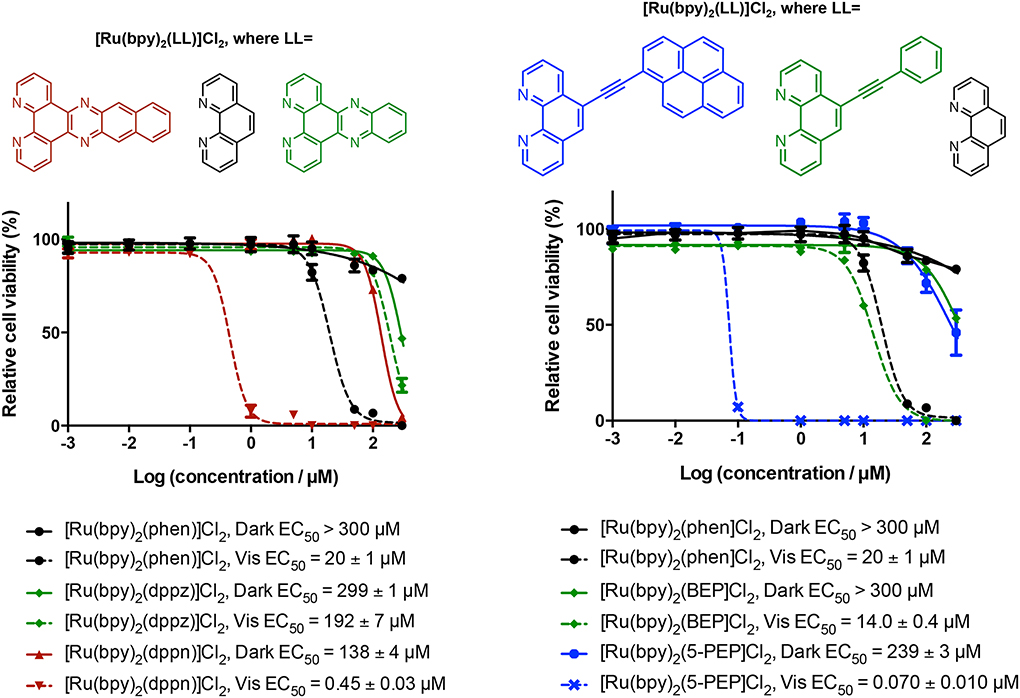
(Photo)cytotoxicity dose-response profiles toward HL-60 human leukemia cells for Ru(II) dyads of two different families. Light treatments were 100 J cm−2 of broadband visible (400–700 nm) light delivered at a rate of ~28 mW cm−2. The photosensitizer-to-light interval was 16 h.
Figure 12.
Figure 12.
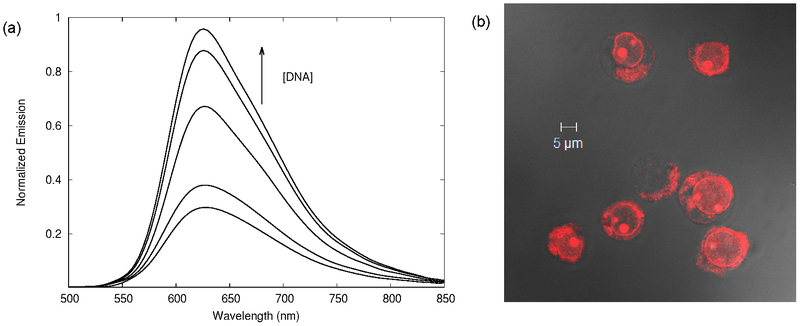
(a) Emission of TLD1433 titrated with calf-thymus DNA. (b) Human leukemia cells dosed with TLD1433 and viewed using laser scanning confocal microscopy (LSCM).
Figure 13.
Figure 13.
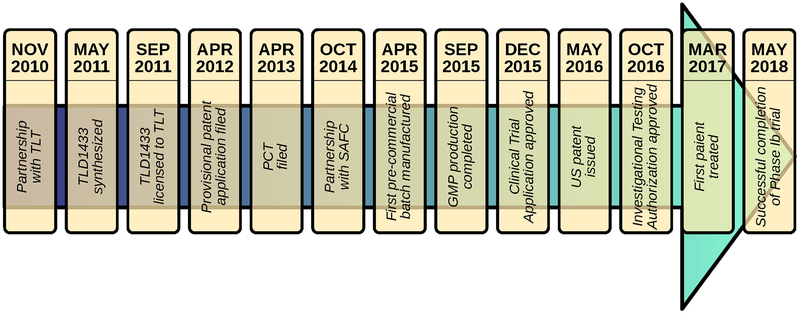
Timeline for developing TLD1433.
Scheme 1.
Scheme 1.
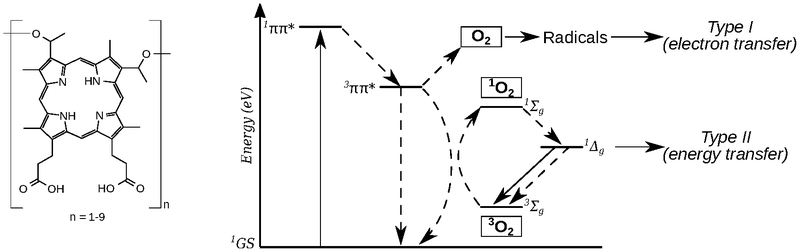
Chemical structure of Photofrin®, where n indicates the possible oligomeric components of a poorly defined mixture (left), and a Jablonski diagram showing Type I and Type II photoreactions (right).
Scheme 2.
Scheme 2.
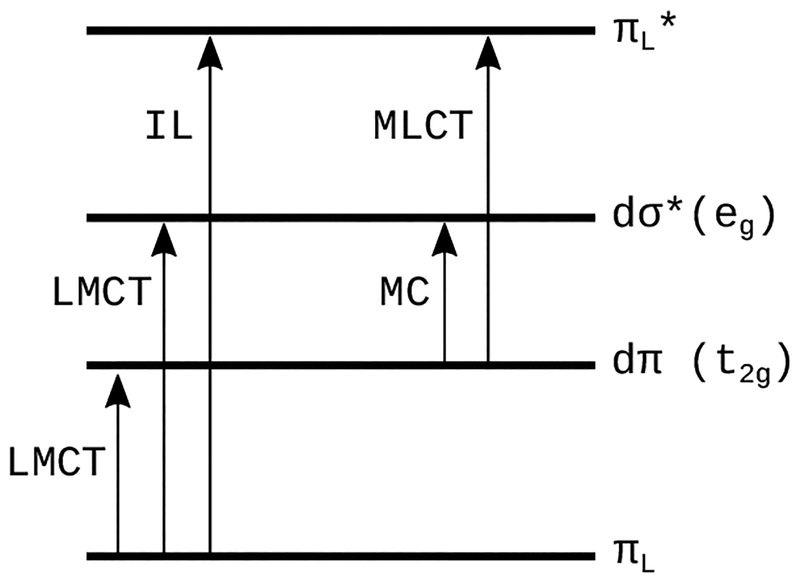
Some of the electronic transitions available to transition metal complexes.
Scheme 3.
Scheme 3.
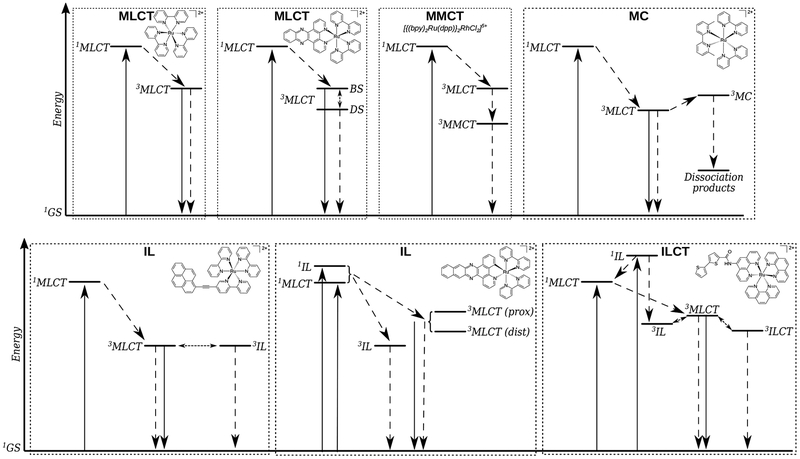
Jablonski diagrams for different excited-state electronic configurations in Ru(II)-based transition metal complexes.
Scheme 4.
Scheme 4.
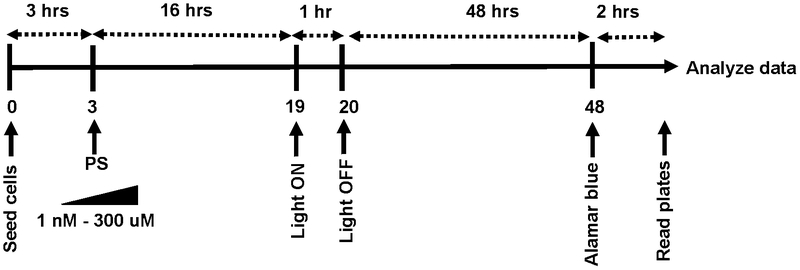
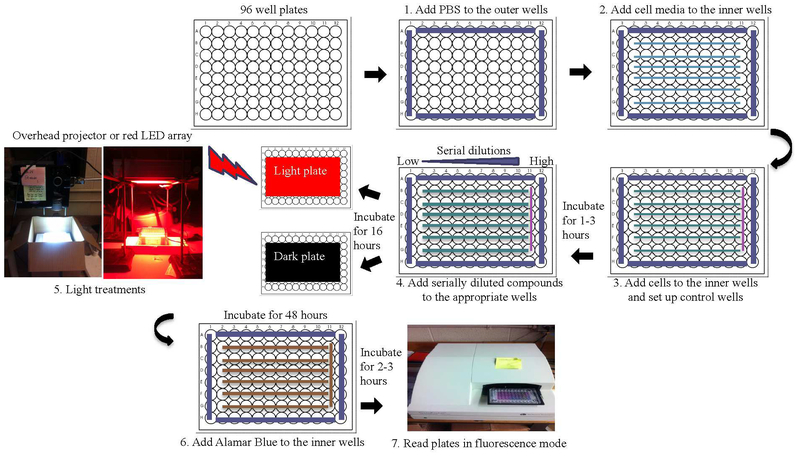
Timeline for standard PDT/PCT assay.
Scheme 5.
Scheme 5.
Microplate layout and organization of the standard PDT/PACT assay.
Scheme 6.
Scheme 6.
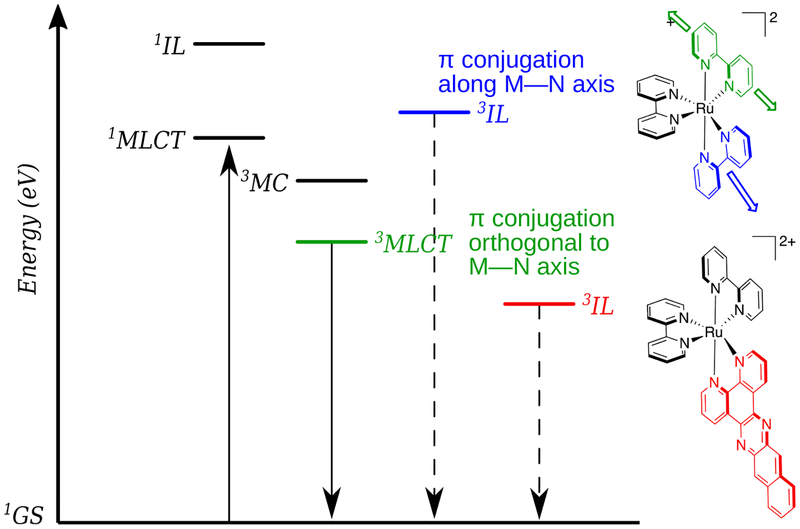
Some excited state energies in Ru(II) polypyridyl complexes that can be altered with π-conjugation.
Scheme 7.
Scheme 7.
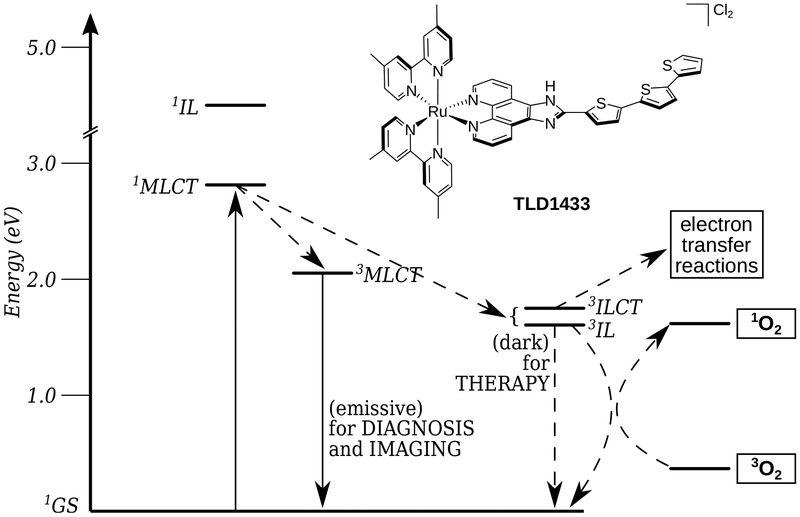
Excited-state deactivation pathways accessible to TLD1433 with visible light activation.
Chart 1.
Chart 1.
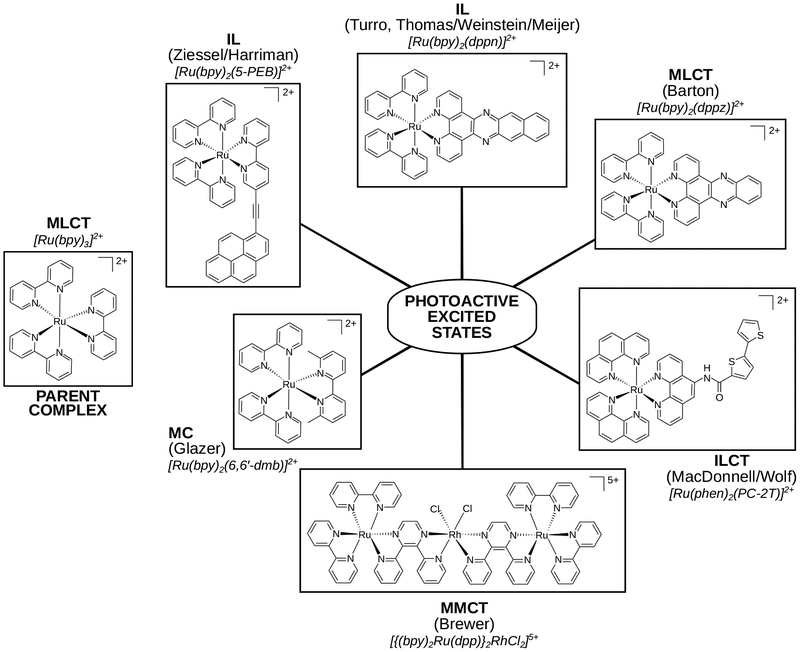
Compounds that serve as examples of the different types of accessible excited states in Ru(II) transition metal complexes (only one stereoisomer shown for simplicity).
Chart 2.
Chart 2.
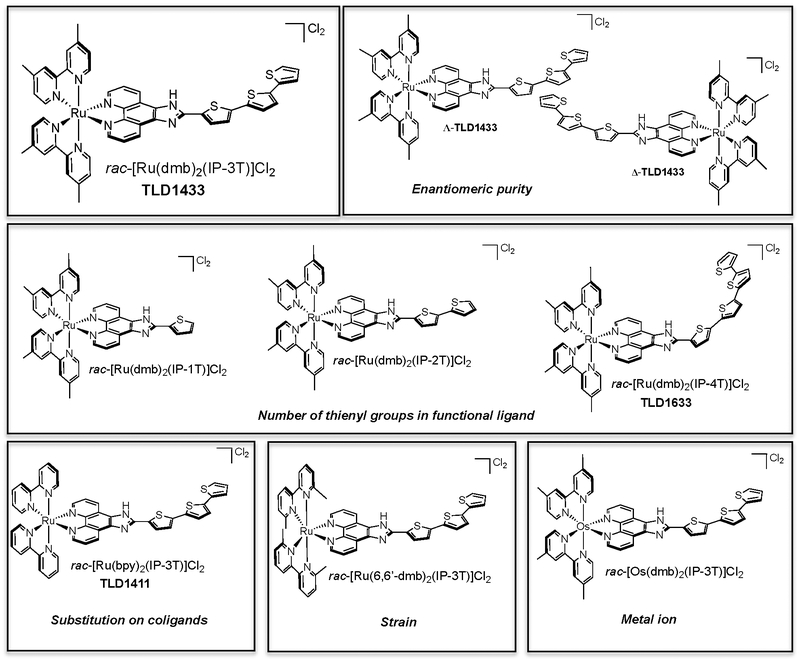
Molecular Structures Used to Establish SARs for Ru(II) Dyads that Incorporate α-Oligothiophenes (dmb=4,4′-dmb).
Chart 3.
Chart 3.
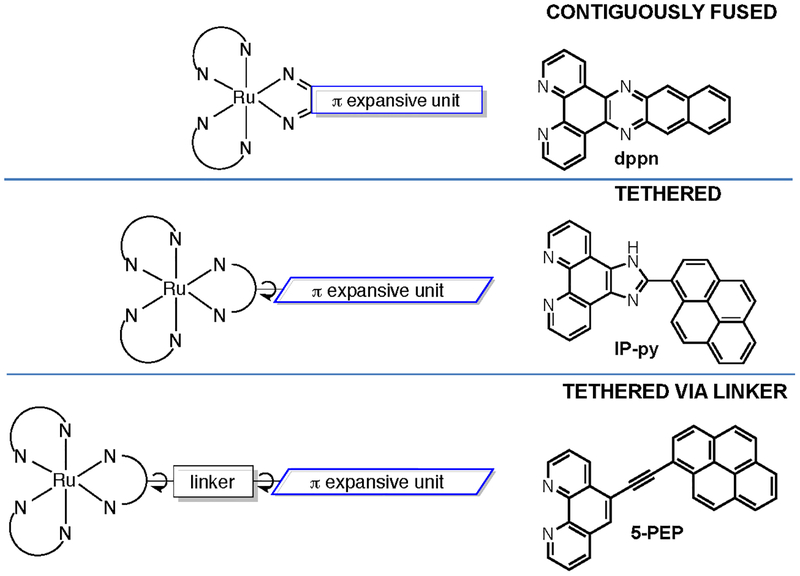
Various ways of introducing π-expansion into polypyridyl ligands to make Ru(II)-dyads.

References

    1. Photodynamic Therapy: Basic Principles and Clinical Applications; Henderson BW, Dougherty TJ, Eds.; CRC Press, 1992.
    1. Bonnett R Chemical Aspects of Photodynamic Therapy; Gordon and Breach Science Publishers, 2000.
    1. Handbook of Photomedicine, 1st edition; Hamblin MR, Huang Y, Eds.; CRC Press: Boca Raton, FL, 2013.
    1. Hamblin MR; Mroz P Advances in Photodynamic Therapy: Basic, Translational, and Clinical; Engineering in Medicine and Biology; Artech House: Norwood, MA, 2008.
    1. Photodynamic Medicine: From Bench to Clinic, 1st edition; Kostron H, Hasan T, Eds.; Royal Society of Chemistry: Cambridge, 2016.

Publication types

MeSH terms