


Extraction, isolation and identification of flavonoid from Chenopodium album aerial parts
- PMID: 30302328
- PMCID: PMC6174260
- DOI: 10.1016/j.jtcme.2017.10.002
Extraction, isolation and identification of flavonoid from Chenopodium album aerial parts
Abstract
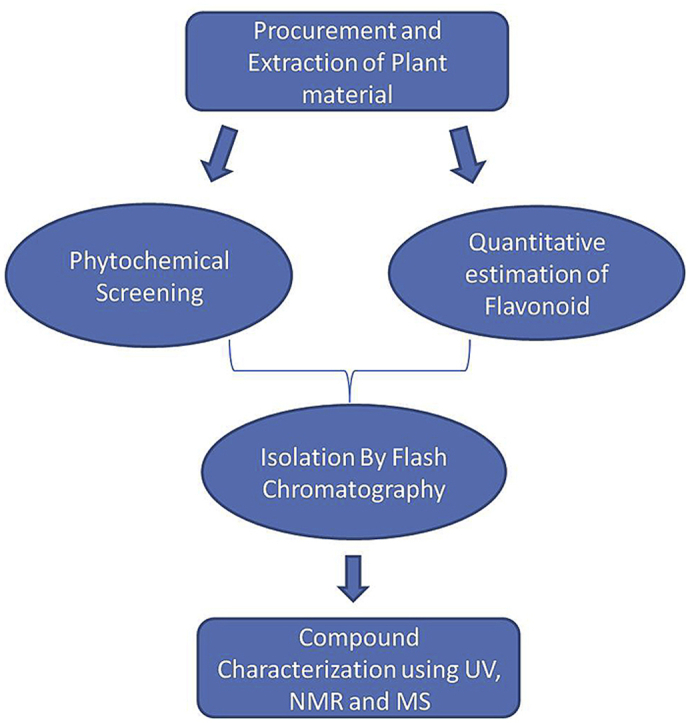
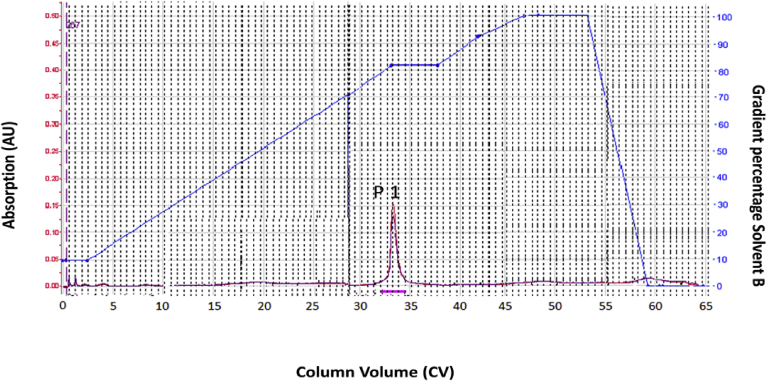
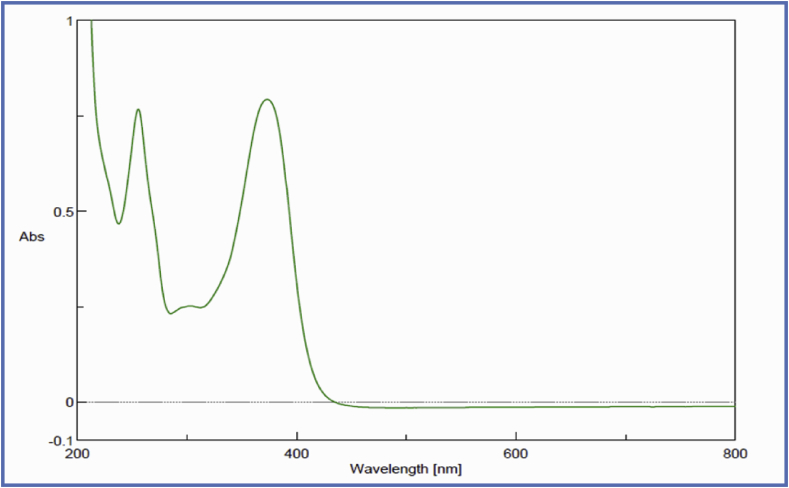
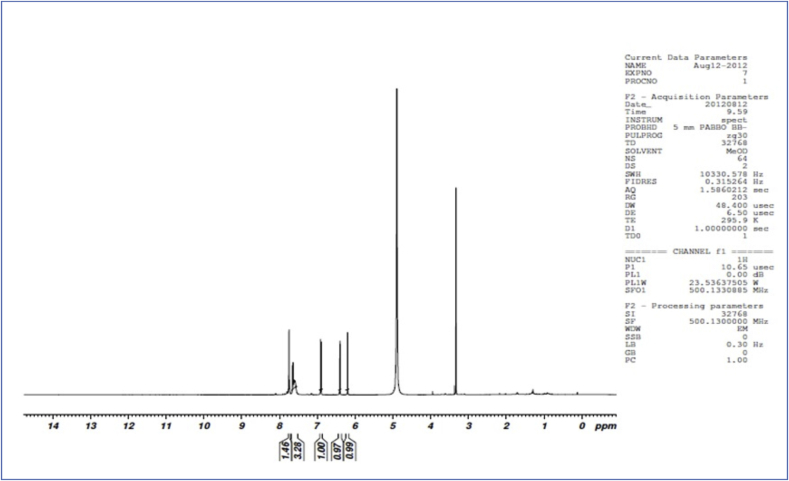
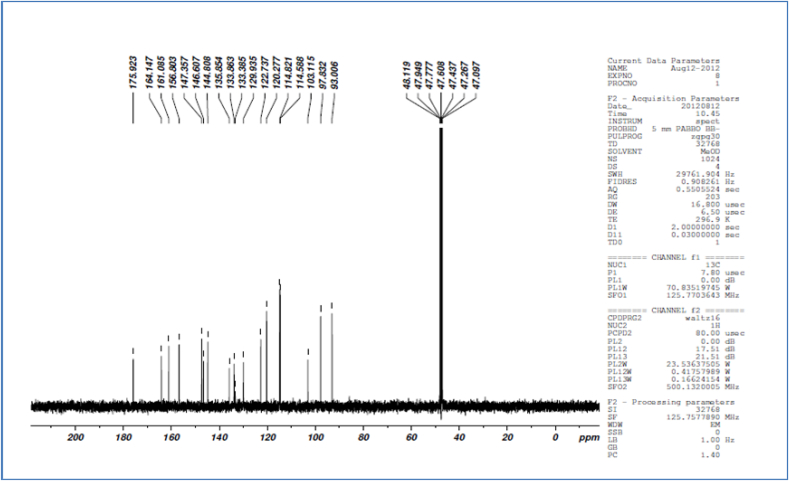
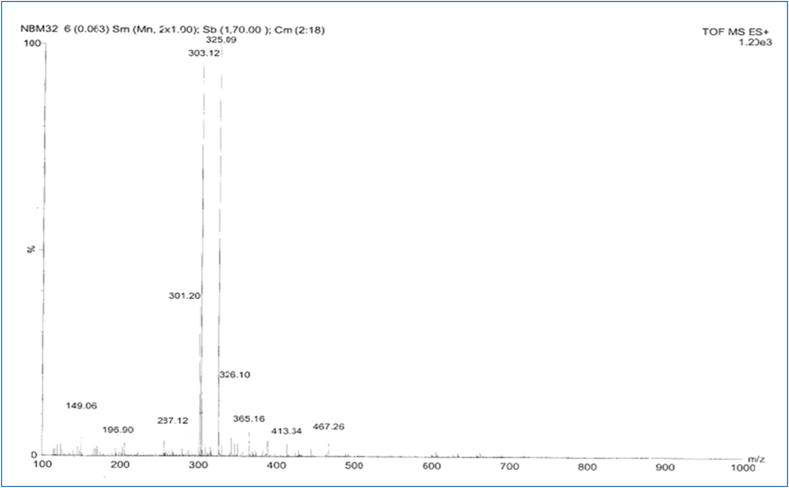
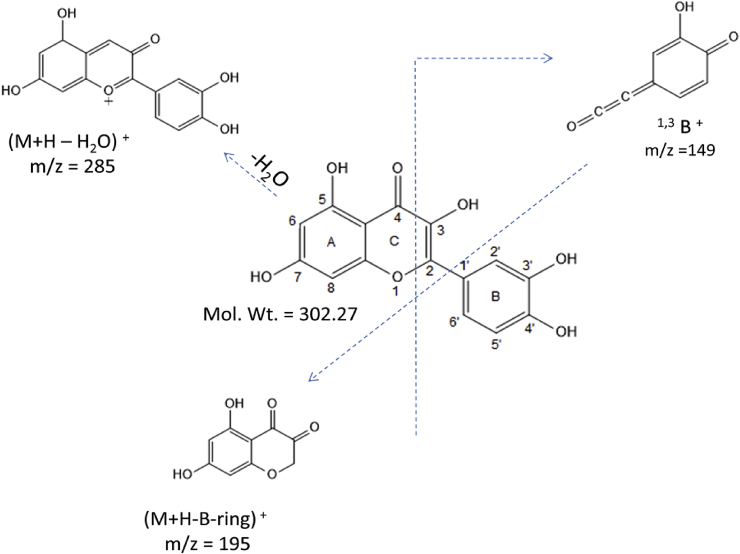
Chenopodium album L., (C. album) (family: Chenopodiaceae) is an annual shrub widely grown in Asia, Africa, Europe and North America. It is commonly known as Bathua (in Hindi), pigweed, fat hen or lamb-quarters. The leaves of C. album are applied as a poultice to bug bites, sunstroke, rheumatic joints and as mild laxative. The flavonoids contained in C. album aerial parts were extracted, identified and characterized. Sequential soxhlet extraction was subjected to preliminary phytochemical screening and flavonoid quantification. The results showed that maximum yield of the flavonoid (7.335 mg/g) were obtained from acetone extract. This acetone extract was subjected to flash chromatography for isolation of flavonoid. Characterization of isolated flavonoid was done by UV, IR, 1H & 13C NMR and MS. On the basis of chemical and spectral analysis structure was elucidated as 2-(3, 4-dihydroxyphenyl)-3, 5, 7-trihydroxy-4H-chromen-4-one, a flavonoid.
Keywords: Chenopodiaceae; Chenopodium album; Flash chromatography; Flavonoids; Quercetin.
Figures
References
-
- Harborne J.B. 3rd ed. Springer Pvt. Ltd.; New Delhi, India: 1998. Phytochemical Methods, a Guide to Modern Techniques of Plant Analysis.
-
- Kokanova-Nedialkova Z., Nedialkov P., Nikolov S. The genus chenopodium: phytochemistry, ethnopharmacology and pharmacology. Pharmacog Rev. 2009;3:280–306.
-
- Gupta K., Wagle D.S. Nutritional and antinutritional factors of green leafy vegetables. J Agric Food Chem. 1988;36:472–474.
-
- Cutillo F., D'Abrosca B., DellaGreca M., et al. Cinnamic acid amides from Chenopodium album: effects on seeds germination and plant growth. Phytochemistry. 2003;64:1381–1387. - PubMed
-
- González J.A., Gallardo M., de Israilev L.A. Leaf flavonoids in Chenopodium hircinum schrad and Chenopodium album L. (Chenopodiaceae) Phyton. 1998;63:279–281.
LinkOut - more resources
Full Text Sources