


Antibiotic resistance, virulence factors and genotyping of Uropathogenic Escherichia coli strains
- PMID: 30305891
- PMCID: PMC6171155
- DOI: 10.1186/s13756-018-0411-4
Antibiotic resistance, virulence factors and genotyping of Uropathogenic Escherichia coli strains
Abstract
Background: The way of treating different types of infectious diseases is really important. Using genotyping method, we can determine the genetic relatedness between the organisms with different resistance profile from different sources. The aim of this study was to determine antibiotic resistance and genotyping of uropathogenic Escherichia coli (UPEC) strains using pulsed field gel electrophoresis (PFGE).
Method: Escherichia coli (E. coli) strains were recovered from the patients with urinary tract infections (UTI) whom admitted in several major hospitals in Tehran. Antibiotic susceptibility testing was done according to CLSI guideline. The present of some virulence factor have been detected using PCR assay. Genotyping of the strains was performed by PFGE and all PFGE profiles were subjected to data processing.
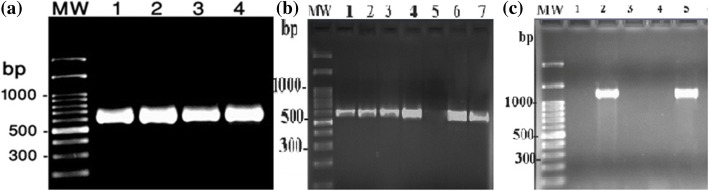
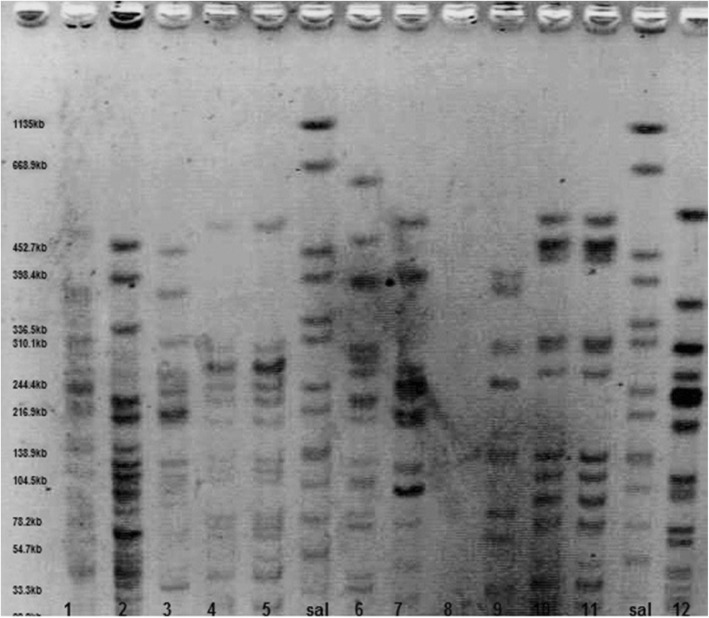
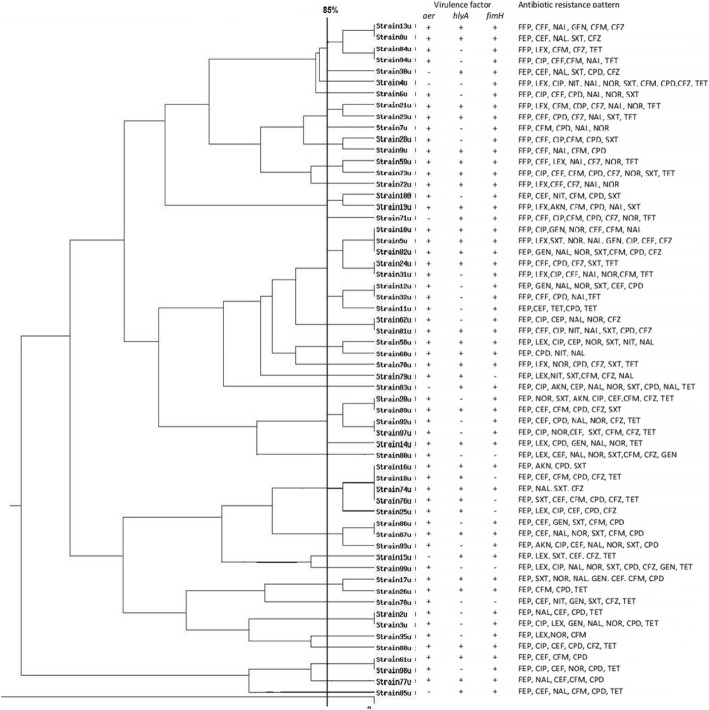
Result: In total, 60 E. coli strains were subjected to the study. Most of E. coli isolates were resistant to cefepime (100%) and cephalothin (74%) and susceptible to imipenem (100%), vancomycin (100%) and doxycycline (100%). Among the UPEC isolates the prevalence of fimbriae type I (fimH), hemolysin (hlyA) and aerobactin (aer) genes were 89%, 60% and 90%, respectively. The PFGE differentiated E. coli strains into 33 different genetic clusters. Majority (30%) of them including PFGE type 11 generated 15 bands, while PFGE type 2 was the lowest (2%) prevalent group with 9 bands.
Conclusion: The result showed that the antibiotic resistance is escalating rapidly. UPEC strains causing infections are more likely to harbor certain virulence genes. Our finding also showed E. coli strains isolated under the study were belonged to the diverse clones.
Keywords: Escherichia coli; PFGE; UTIs; Virulence genes.
Conflict of interest statement
Not applicable.Not applicable.The authors declare that they have no competing interests.Springer Nature remains neutral with regard to jurisdictional claims in published maps and institutional affiliations.
Figures
References
Publication types
MeSH terms
Substances
LinkOut - more resources
Full Text Sources
Medical
