Paradox of hypercholesterolaemia in highly trained, keto-adapted athletes
- PMID: 30305928
- PMCID: PMC6173254
- DOI: 10.1136/bmjsem-2018-000429
Paradox of hypercholesterolaemia in highly trained, keto-adapted athletes
Abstract
Objective: A growing number of ultra-endurance athletes have switched to a very low-carbohydrate/high-fat eating pattern. We compared markers of cholesterol and the lipoprotein profile in a group of elite ultra-runners consuming a high-carbohydrate (HC) or low-carbohydrate (LC) diet.
Methods: Fasting blood was obtained from competitive male ultra-endurance runners habitually consuming a very low-carbohydrate (LC; n=10) or high-carbohydrate (HC; n=10) diet to determine blood cholesterol profile, lipoprotein particle distribution and sterol biomarkers of cholesterol balance.
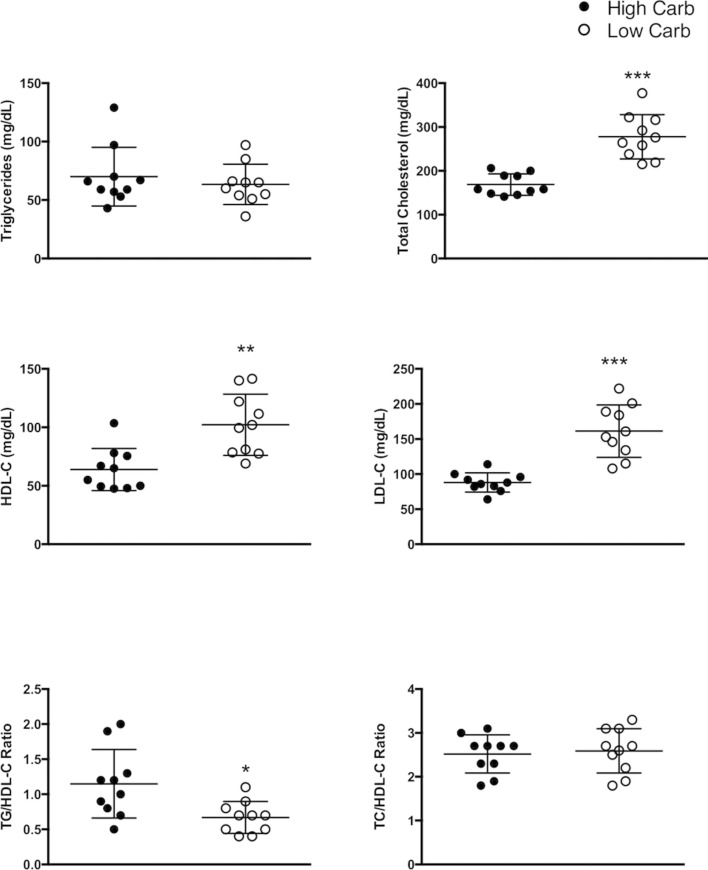
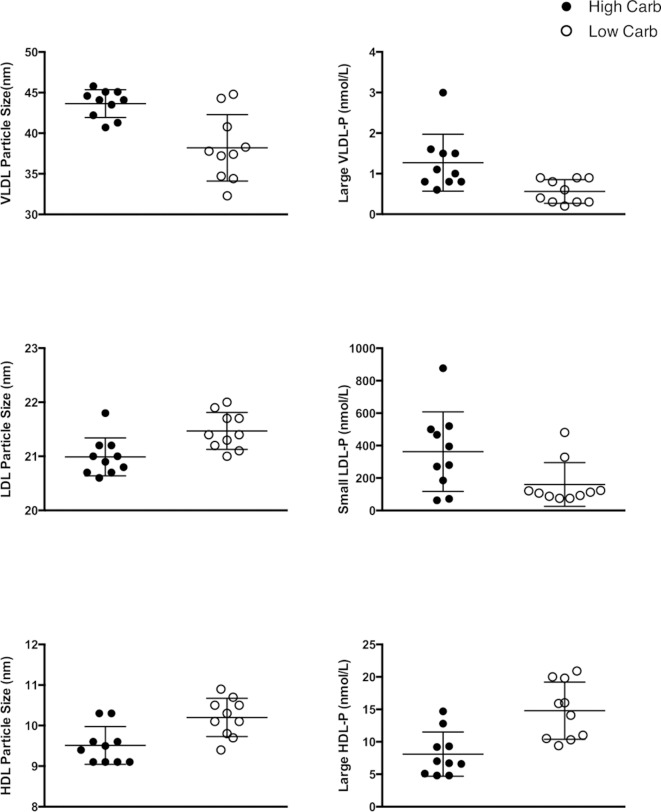
Results: Plasma total cholesterol, low-density lipoprotein (LDL-C) and high-density lipoprotein (HDL-C) cholesterol were all significantly greater (p<0.000) in the LC group (65%, 83% and 60%, respectively). There were also significant differences in lipoprotein particle distribution as evidenced by a greater size and concentration of large HDL and LDL particles, and total LDL particle concentration was significantly greater in the LC group, but they had significantly fewer small LDL particles.
Conclusion: Ultra-endurance athletes habitually consuming a very low-carbohydrate/high-fat diet for over a year showed unique cholesterol profiles characterised by consistently higher plasma LDL-C and HDL-C, less small LDL particles, and lipoprotein profiles consistent with higher insulin sensitivity. There may be a functional purpose to the expansion of the circulating cholesterol pool to meet the heightened demand for lipid transport in highly trained, keto-adapted athletes.
Keywords: cholesterol balance; lipoprotein metabolism; low carb high fat.
Conflict of interest statement
Competing interests: JSV and SDP receive royalties from books on nutrition and exercise. JSV and SDP are founders of Virta Health and have equity positions; BCC is an employee at Virta Health.
Figures
References
LinkOut - more resources
Full Text Sources