


Grape polyphenols reduce gut-localized reactive oxygen species associated with the development of metabolic syndrome in mice
- PMID: 30308002
- PMCID: PMC6181265
- DOI: 10.1371/journal.pone.0198716
Grape polyphenols reduce gut-localized reactive oxygen species associated with the development of metabolic syndrome in mice
Abstract
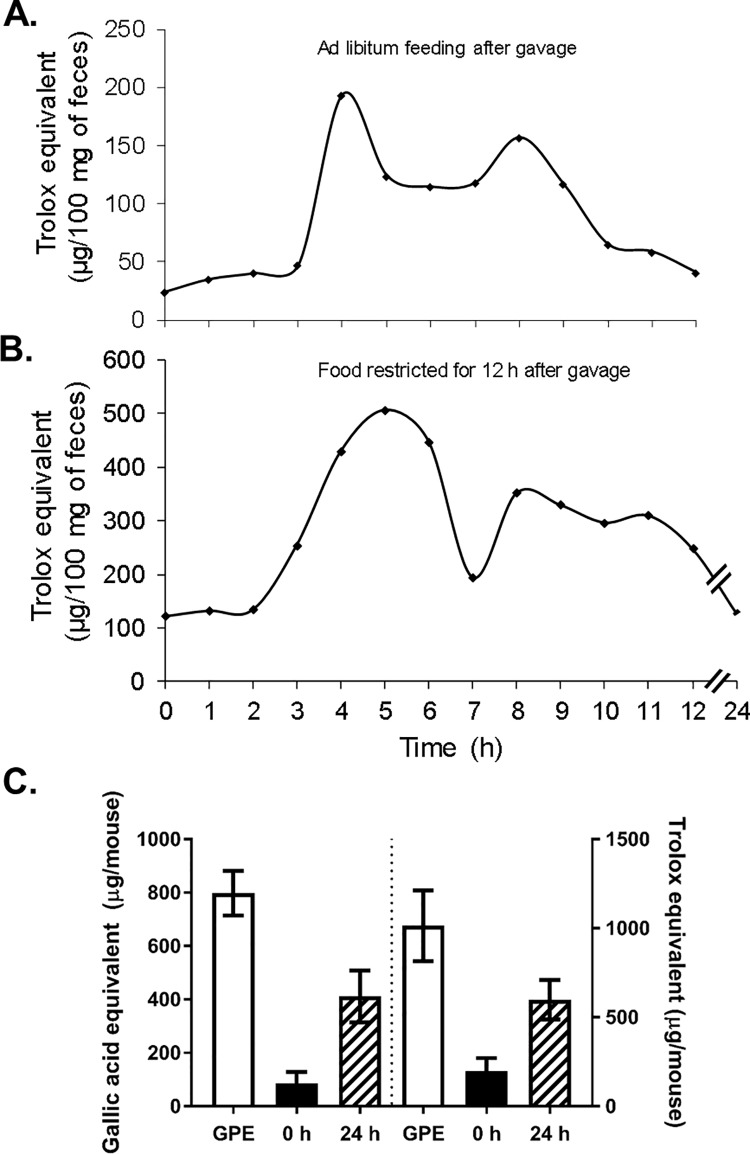
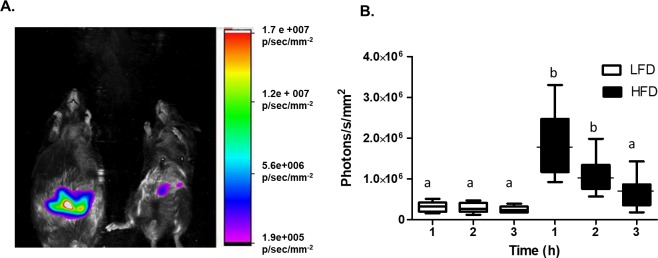
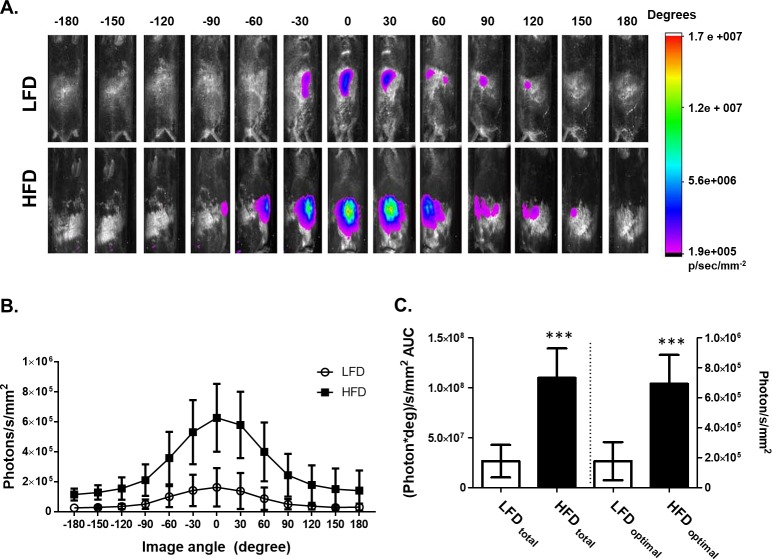
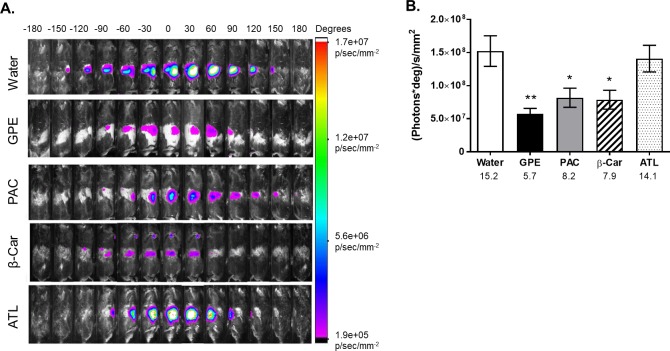
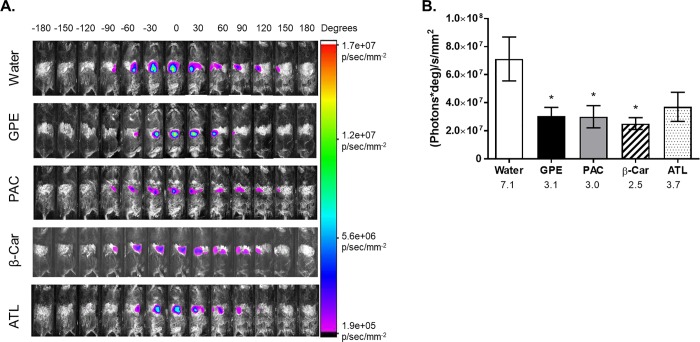
High-fat diet (HFD)-induced leaky gut syndrome combined with low-grade inflammation increase reactive oxygen species (ROS) in the intestine and may contribute to dysbiosis and metabolic syndrome (MetS). Poorly bioavailable and only partially metabolizable dietary polyphenols, such as proanthocyanidins (PACs), may exert their beneficial effects on metabolic health by scavenging intestinal ROS. To test this hypothesis, we developed and validated a novel, noninvasive, in situ method for visualizing intestinal ROS using orally administered ROS-sensitive indocyanine green (ICG) dye. C57BL/6J mice fed HFD for 10 weeks accumulated high levels of intestinal ROS compared to mice fed low-fat diet (LFD). Oral administration of poorly bioavailable grape polyphenol extract (GPE) and β-carotene decreased HFD-induced ROS in the gut to levels comparable to LFD-fed mice, while administration of more bioavailable dietary antioxidants (α-lipoic acid, vitamin C, vitamin E) did not. Forty percent of administered GPE antioxidant activity was measured in feces collected over 24 h, confirming poor bioavailability and persistence in the gut. The bloom of beneficial anaerobic gut bacteria, such as Akkermansia muciniphila, associated with improved metabolic status in rodents and humans may be directly linked to protective antioxidant activity of some dietary components. These findings suggest a possible mechanistic explanation for the beneficial effects of poorly bioavailable polyphenols on metabolic health.
Conflict of interest statement
The authors have declared that no competing interests exist.
Figures
References
-
- Guariguata L, Whiting DR, Linnenkamp U, Beagley J, Shaw J. Global Estimates of the Prevalence of Impaired Glucose Tolerance for 2013 and Projections to 2035. Diabetes. 2014;63:A391–A. - PubMed
-
- Tresserra-Rimbau A, Guasch-Ferre M, Salas-Salvado J, Toledo E, Corella D, Castaner O, et al. Intake of Total Polyphenols and Some Classes of Polyphenols Is Inversely Associated with Diabetes in Elderly People at High Cardiovascular Disease Risk. J Nutr. 2016. - PubMed
Publication types
MeSH terms
Substances
Grants and funding
LinkOut - more resources
Full Text Sources
Medical
