


The role of Mean Platelet Volume/platelet count Ratio and Neutrophil to Lymphocyte Ratio on the risk of Febrile Seizure
- PMID: 30310107
- PMCID: PMC6181908
- DOI: 10.1038/s41598-018-33373-3
The role of Mean Platelet Volume/platelet count Ratio and Neutrophil to Lymphocyte Ratio on the risk of Febrile Seizure
Abstract
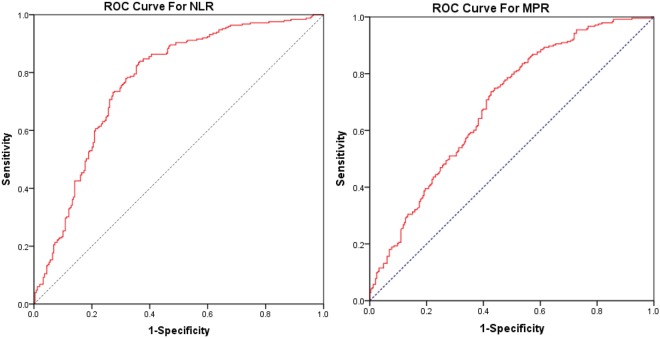
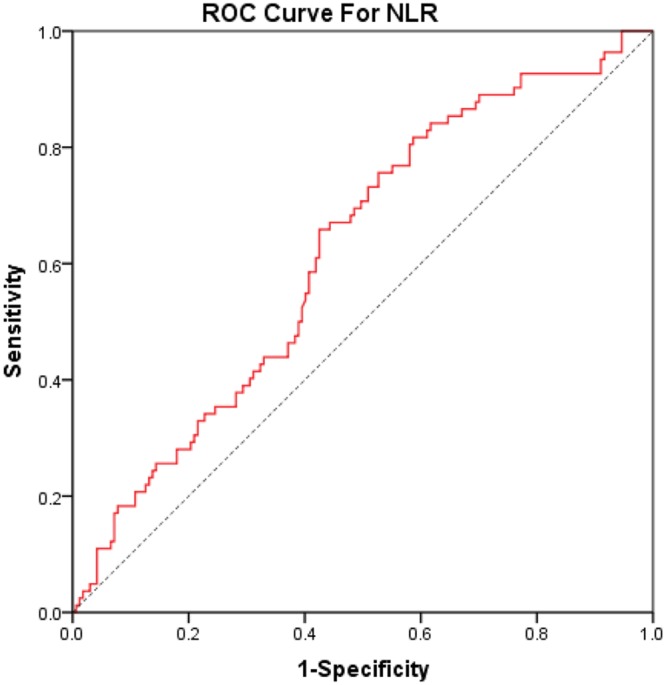
Systemic inflammatory response has been implicated as a contributor to the onset of febrile seizures (FS). The four novel indices of the inflammatory response such as, neutrophil-to-lymphocyte ratio (NLR), mean platelet volume (MPV), platelet count (PLT) ratio and red blood cell distribution width (RDW) have been investigated in FS susceptibility and FS types (simple febrile seizure and complex febrile seizure). However, the potential role of these inflammatory markers and MPV/PLT ratio (MPR) in Chinese children with FS has yet to be fully determined. This study investigated the relevance of NLR, MPV, PLT, MPR and RDW in febrile children with and without seizures. 249 children with FS and 249 age matched controls were included in this study. NLR and MPR were calculated from complete blood cell counts prior to therapy. Differences in age, gender and these inflammatory markers between the FS group and the control group were evaluated using the chi-square test, t-test or logistic regression analysis. Receiver Operating Characteristic (ROC) curve was used to determine the optimal cut-off value of NLR and MPR for FS risk. Interactions between NLR and MPR on the additive scale were calculated by using the relative excess risk due to interaction (RERI), the proportion attributable to interaction (AP), and the synergy index (S). It has been shown that the elevated NLR and MPR levels were associated with increased risk of FS. The optimal cut-off values of NLR and MPR for FS risk were 1.13 and 0.0335 with an area under the curve (AUC) of 0.768 and 0.689, respectively. Additionally, a significant synergistic interaction between NLR and MPR was found on an additive scale. The mean levels of MPV were lower and NLR levels were higher in complex febrile seizure (CFS) than simple febrile seizure (SFS), and the differences were statistically significant. ROC analysis showed that the optimal cut-off value for NLR was 2.549 with 65.9% sensitivity and 57.5% specificity. However, no statistically significant differences were found regarding average values of MPR and RDW between CFS and SFS. In conclusion, elevated NLR and MPR add evidence to the implication of white cells subsets in FS risk, and our results confirmed that NLR is an independent, albeit limited, predictor in differentiating between CFS and SFS. Moreover, NLR and MPR may have a synergistic effect that can influence the occurrence of FS.
Conflict of interest statement
The authors declare no competing interests.
Figures
References
MeSH terms
Substances
LinkOut - more resources
Full Text Sources
