National Athletic Trainers' Association Position Statement: Facilitating Work-Life Balance in Athletic Training Practice Settings
- PMID: 30312559
- PMCID: PMC6188079
- DOI: 10.4085/1062-6050-51.11.02
National Athletic Trainers' Association Position Statement: Facilitating Work-Life Balance in Athletic Training Practice Settings
Abstract
Objective:: To illustrate the concept of work-life balance and those factors that influence it and to provide recommendations to facilitate work-life balance in athletic training practice settings. To present the athletic trainer with information regarding work-life balance, including those factors that negatively and positively affect it within the profession.
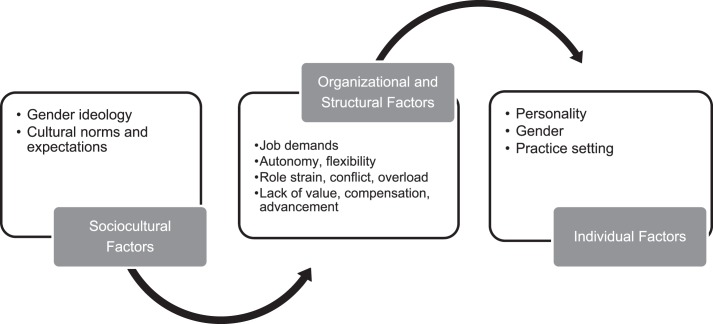
Background:: Concerns for work-life balance have been growing within the health care sector, especially in athletic training, as it is continuously linked to professional commitment, burnout, job satisfaction, and career longevity. The term work-life balance reflects those practices used to facilitate the successful fulfillment of the responsibilities associated with all roles one may assume, including those of a parent, spouse, partner, friend, and employee. A host of organizational and individual factors (eg, hours worked, travel demands, flexibility of work schedules, relationship status, family values) negatively influence the fulfillment of work-life balance for the athletic trainer, but practical strategies are available to help improve work-life balance, regardless of the practice setting.
Recommendations:: This position statement is charged with distributing information on work-life balance for athletic trainers working in a variety of employment settings. Recommendations include a blend of organizational and personal strategies designed to promote work-life balance. Establishing work-life balance requires organizations to have formal policies that are supported at the departmental and personal level, in addition to informal policies that reflect the organizational climate of the workplace. Individuals are also encouraged to consider their needs and responsibilities in order to determine which personal strategies will aid them in attaining work-life balance.
Keywords: burnout; job satisfaction; mentoring; professional commitment; quality of life; wellbeing.
Figures
References
-
- Choksi DA, Shectman GS, Agarwal M. Patient-centered innovation: the VA approach. Health Care. 2013;1(3):72–75. - PubMed
-
- Capel SA. Psychological and organizational factors related to burnout in athletic trainers. Athl Train. 1986;21(4):322–327.
-
- Clapper D, Harris L. Determining professional burnout of certified athletic trainers employed in the Big Ten athletic conference [abstract] J Athl Train. 2006;41(suppl):S72–S73.
-
- Gieck J, Brown RS, Shank RH. The burnout syndrome among athletic trainers. Athl Train J Natl Athl Train Assoc. 1982;17(1):36–40.
MeSH terms
LinkOut - more resources
Full Text Sources