


Bioelectrical impedance analysis for monitoring cancer patients receiving chemotherapy and home parenteral nutrition
- PMID: 30332998
- PMCID: PMC6192128
- DOI: 10.1186/s12885-018-4904-6
Bioelectrical impedance analysis for monitoring cancer patients receiving chemotherapy and home parenteral nutrition
Abstract
Background: Home parenteral nutrition (HPN) can improve survival, quality of life, nutritional and functional status in cancer patients. Bioelectrical impedance analysis (BIA) is a non-invasive, validated method to assess body composition. The objective of this prospective single-arm study was to investigate the impact of HPN in advanced cancer patients receiving chemotherapy assessed by BIA, clinical and laboratory measures.
Methods: Adult malnourished cancer outpatients with solid tumors receiving anticancer treatments who were candidates for daily HPN were enrolled. Patients were assessed at baseline (T0), 60 (T1) and 90 days (T2) after HPN start. Assessments included anthropometric and clinical-oncological characteristics, performance status, inflammatory response and Patient-Generated Subjective Global Assessment (PG-SGA).
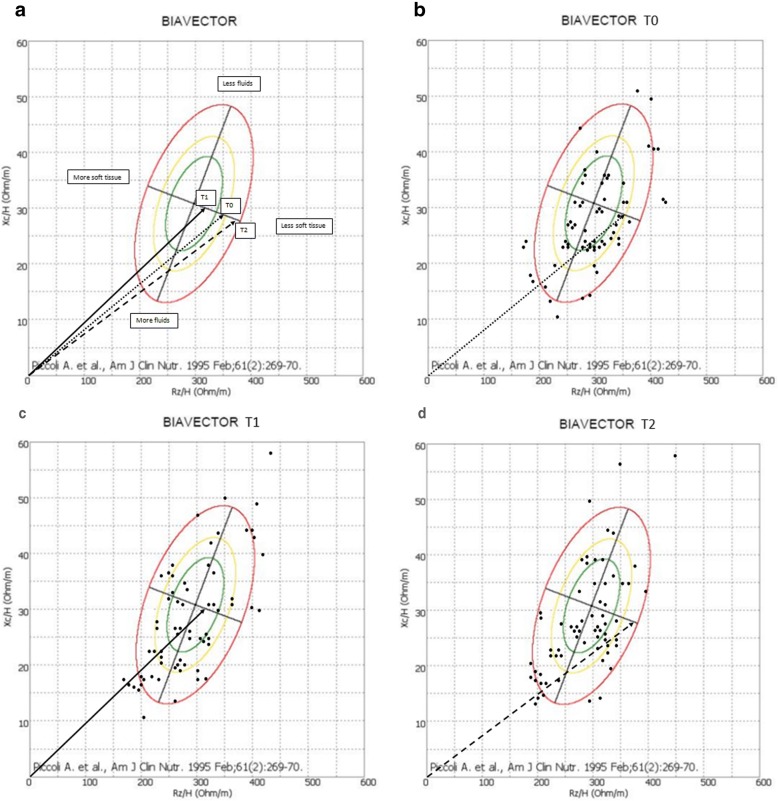
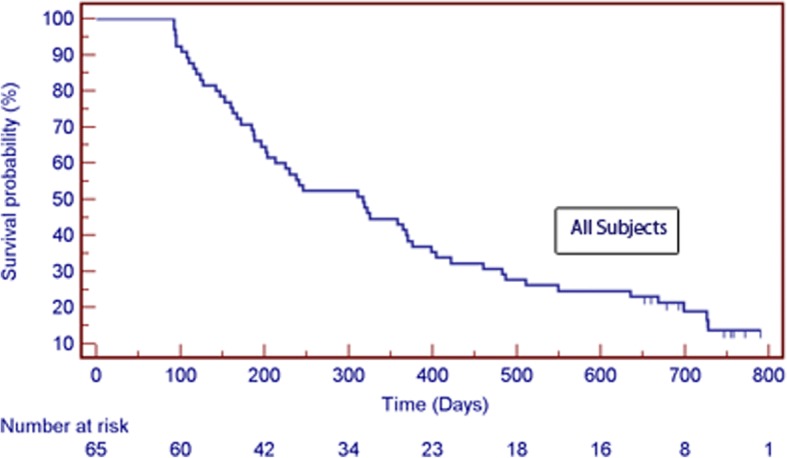
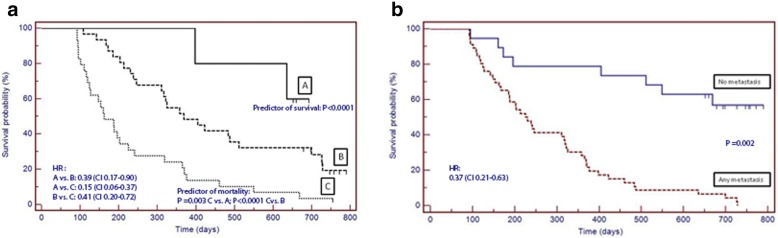
Results: Sixty-five advanced cancer patients were enrolled. Median overall survival was 317 days. Body weight, BMI, oral calorie and protein intake increased over time (P < 0.01). At T2 the proportion of well-nourished patients, Karnofsky performance status and modified Glasgow prognostic score were improved (P < 0.01), total body water was reduced (P = 0.04), and fat mass increased (P = 0.04). Reactance, resistance and phase angle were significantly associated with survival at T0, T1, and T2, respectively. At T2, PG-SGA category A was a predictor of survival (P < 0.0001).
Conclusions: After 90 days of HPN, patients experienced significantly improved nutritional status, performance status, prognostic score and some BIA measures. HPN may be an important therapy in oncology patients receiving chemotherapy. Longitudinal use of BIA may help track the effects of HPN and disease progression, potentially contributing to optimal global patient management.
Keywords: Bioelectrical impedance analysis; Body composition; Cancer; Home parenteral nutrition; Malnutrition.
Conflict of interest statement
Ethics approval and consent to participate
The study protocol was reviewed and approved by our Institutional Ethics Committee (Comitato Etico Interaziendale A.O.U. San Giovanni Battista di Torino - A.O. C.T.O. Maria Adelaide di Torino) and patients provided written informed consent before their enrollment. The consent to participate was obtained from PC. The work was conducted in compliance with Institutional Review Board/Human Subjects Research Committee requirements.
Consent for publication
Not applicable.
Competing interests
P. Cotogni reports honoraria for speaking and teaching from Baxter. The other authors declare that they have no competing interests.
Publisher’s Note
Springer Nature remains neutral with regard to jurisdictional claims in published maps and institutional affiliations.
Figures
References
MeSH terms
Substances
LinkOut - more resources
Full Text Sources
Medical
