. 2018 Oct 19;8(1):15487.
doi: 10.1038/s41598-018-33959-x.

A systems biology network analysis of nutri(epi)genomic changes in endothelial cells exposed to epicatechin metabolites

Affiliations

A systems biology network analysis of nutri(epi)genomic changes in endothelial cells exposed to epicatechin metabolites

Dragan Milenkovic et al. Sci Rep. .

Abstract

Although vasculo-protective effects of flavan-3-ols are widely accepted today, their impact on endothelial cell functions and molecular mechanisms of action involved is not completely understood. The aim of this study was to characterize the potential endothelium-protective effects of circulating epicatechin metabolites and to define underlying mechanisms of action by an integrated systems biology approach. Reduced leukocyte rolling over vascular endothelium was observed following epicatechin supplementation in a mouse model of inflammation. Integrative pathway analysis of transcriptome, miRNome and epigenome profiles of endothelial cells exposed to epicatechin metabolites revealed that by acting at these different levels of regulation, metabolites affect cellular pathways involved in endothelial permeability and interaction with immune cells. In-vitro experiments on endothelial cells confirmed that epicatechin metabolites reduce monocyte adhesion and their transendothelial migration. Altogether, our in-vivo and in-vitro results support the outcome of a systems biology based network analysis which suggests that epicatechin metabolites mediate their vasculoprotective effects through dynamic regulation of endothelial cell monocyte adhesion and permeability. This study illustrates complex and multimodal mechanisms of action by which epicatechin modulate endothelial cell integrity.


Conflict of interest statement

The authors declare no competing interests.

Figures
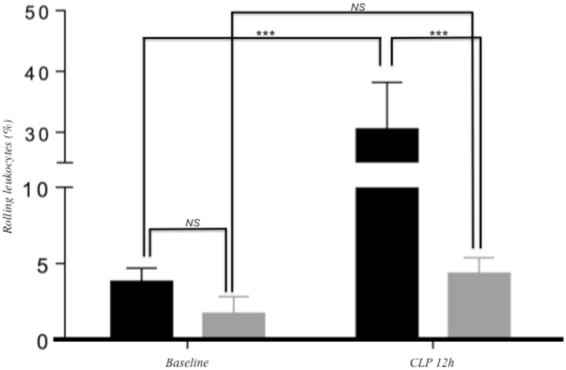
Figure 1
Figure 1
Microcirculatory measurements in the dorsal skinfold chamber in post-capilary venules at baseline and 12 h after sepsis induction in mice were treated with flavanol-free or flavanol rich diet (0.06%g/kg of diet) over a period of 7 days. In black: control diet; in grey: control diet +0.06 g of EC/kg of diet. (n = 5; mean +/− SEM; ***p < 0.01; 2-way ANOVA and Bonferroni’s posttest).
Figure 2
Figure 2
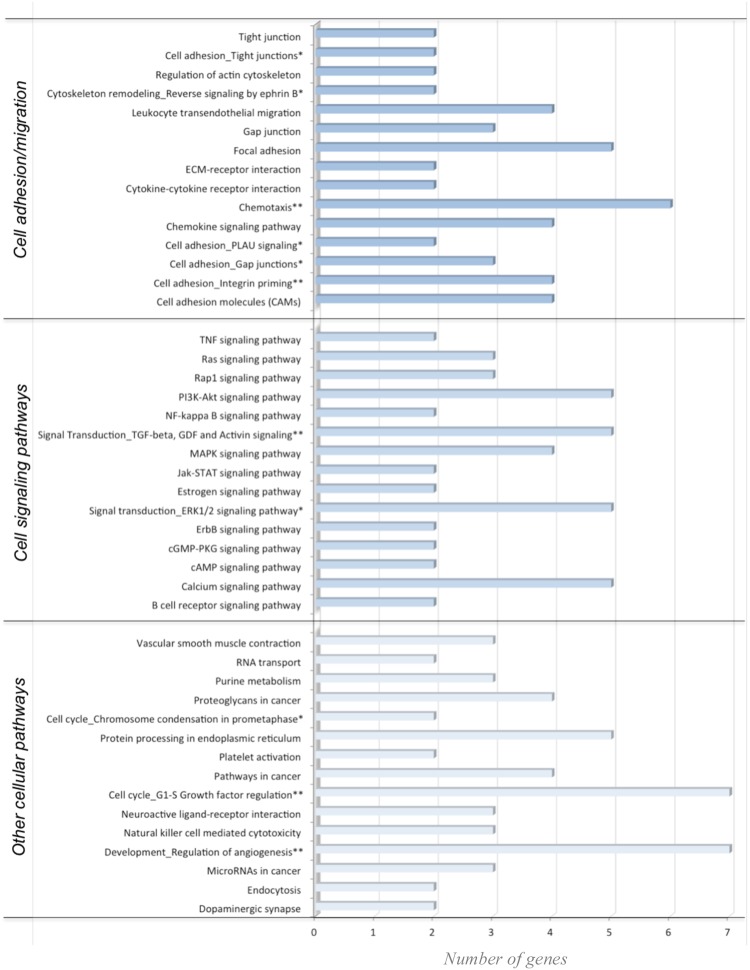
Pathways and networks enriched with differentially expressed genes in response to flavanol metabolites in HUVEC. Pathways identified from KEGG database are marked *and ene networks identified using Metacore are marked with**.
Figure 3
Figure 3
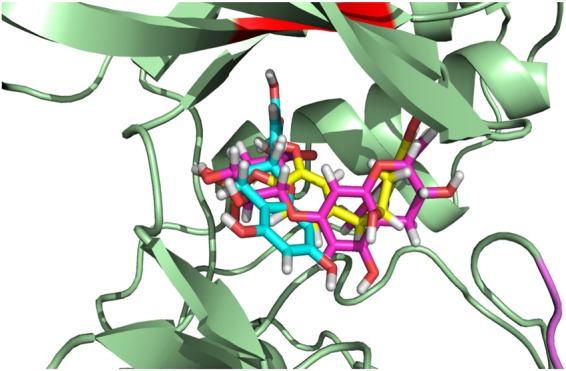
In silico docking of flavanol metabolites into ATP binding pocket of p38-MAPK. 3′-O-methyl(-)-epicatechin is presented in bleu; 4′-O-methyl(-)-epicatechin-7-β-D-glucuronide in yellow and (-)-epicatechin-4′-sulfate in pink.
Figure 4
Figure 4
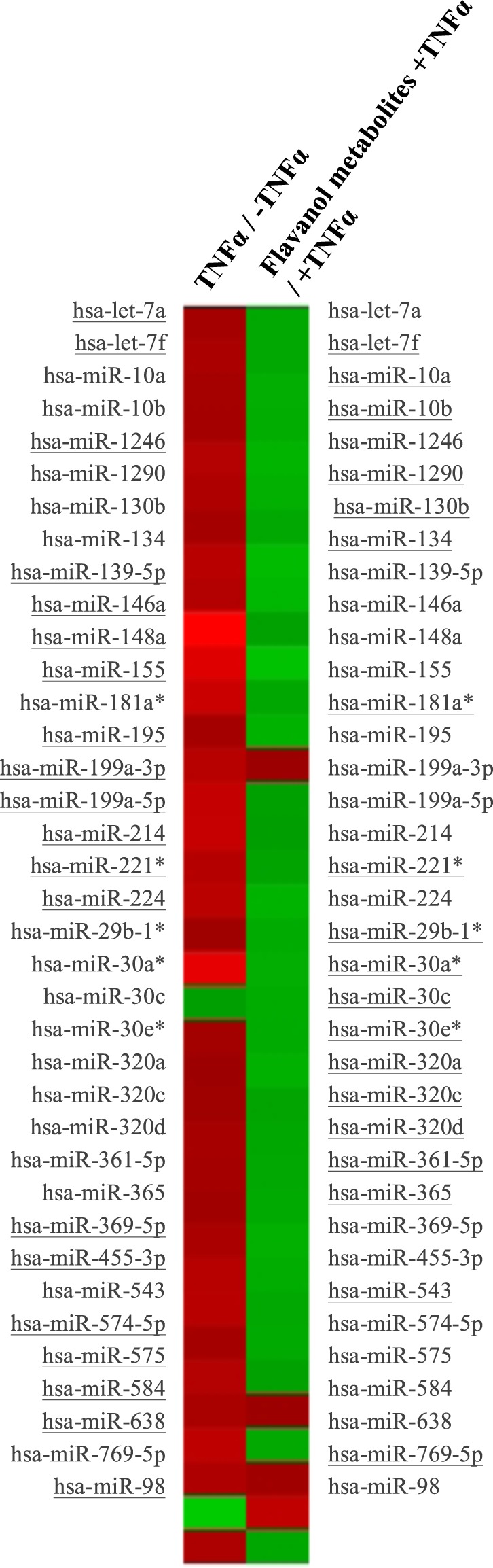
Expression profiles of miRNA in response to TNFα and epicatechin metabolites in HUVECs. Heat map was performed using PermutMatrix software. MiRNAs identified as differentially expressed in at least one condition are underlined. Red represents up-regulation and green down-regulation of expression.
Figure 5
Figure 5
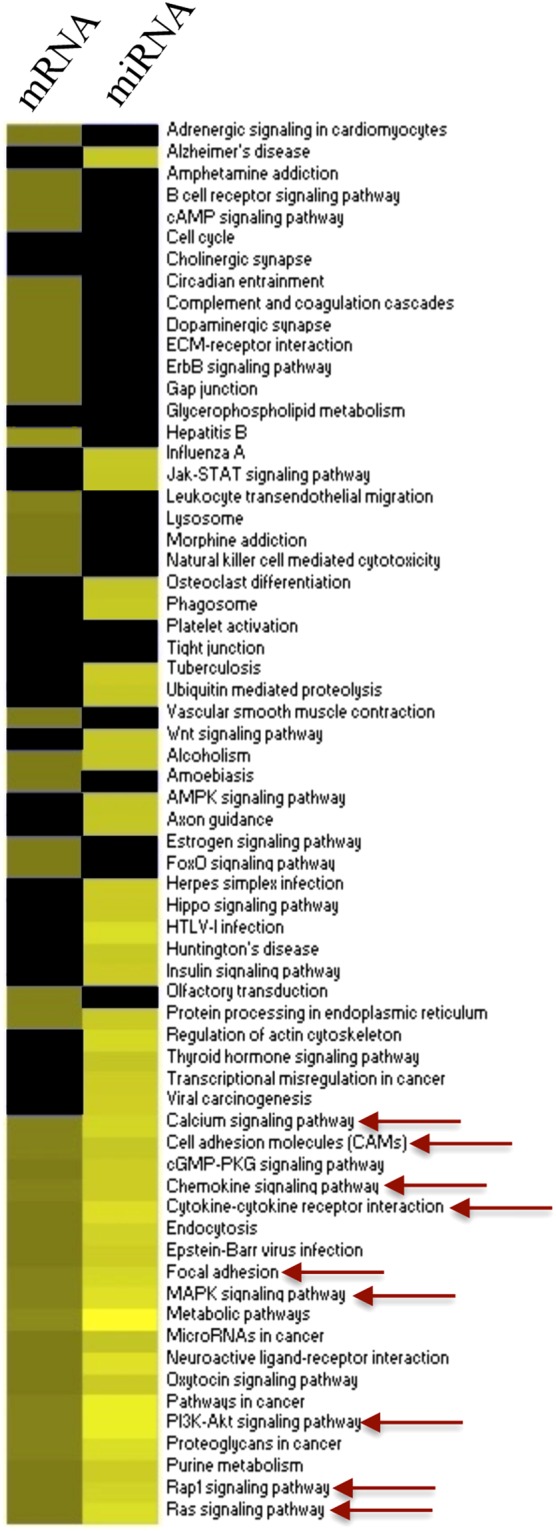
Comparison of the top pathways identified using KEGG database with differentially expressed genes and with target genes of differentially expressed miRNAs in response to exposure of HUVECs to flavanol metabolites. In yellow: number of genes in pathways, bleu: no gene present in pathway; underlined: pathways of interest regarding adhesion and transendothelial migration.
Figure 6
Figure 6
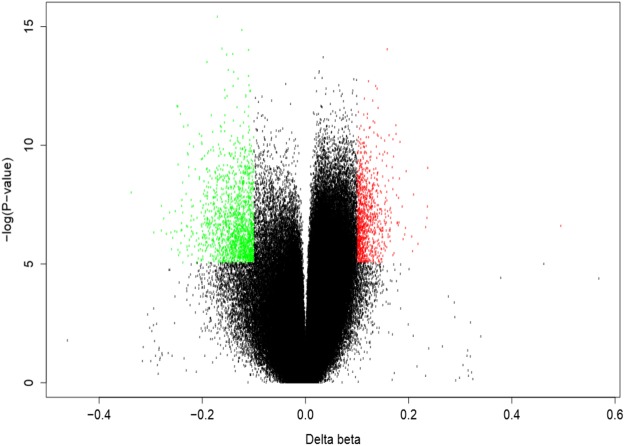
Distribution of individual sites that exhibit differential DNA methylation in HUVECs in response to flavanol metabolites. Volcano plot showing the differentially methylated positions. Hypo-methylated and hyper-methylated positions are colored in green and red, respectively.
Figure 7
Figure 7
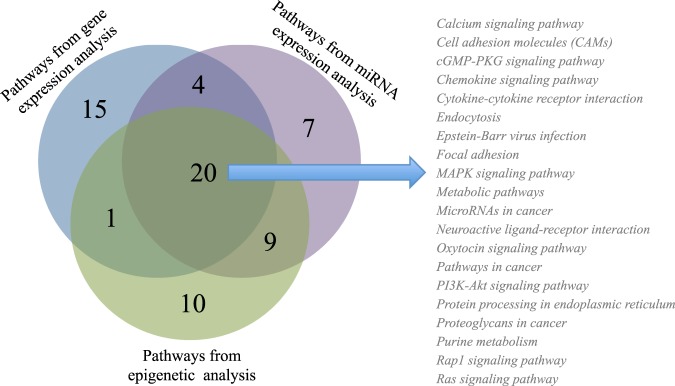
Venn diagram of top pathways identified from gene expression, miRNA expression and epigenetic analyses.
Figure 8
Figure 8
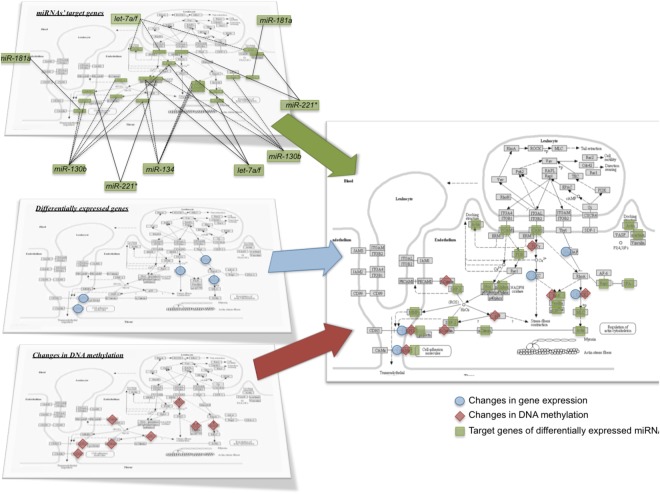
Integrative analysis of the nutri(epi)genomic data in response to flavanol metabolites related to transendothelial migration pathway. The pathway map (KEGG ID: HSA04670) is obtained from Kyoto Encyclopedia of Genes and Genomes (KEGG) database,, http://www.kegg.jp/kegg/kegg1.html.
Figure 9
Figure 9
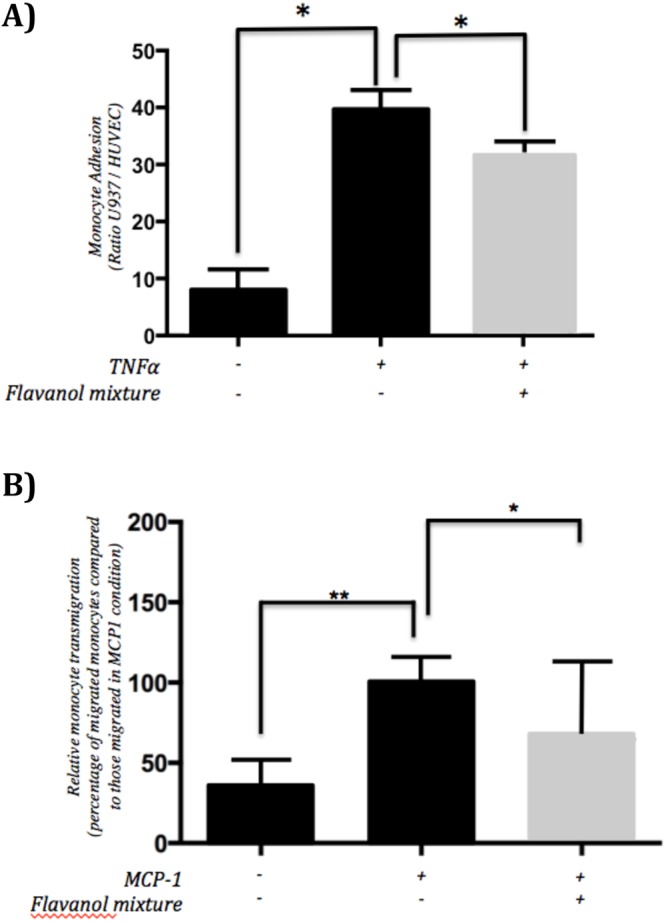
Impact of pre-exposure of endothelial cells to flavanol mixtures on endothelial cells function. (A) monocyte to endothelial cell adhesion (*p < 0.005; n = 9; mean +/− SEM; 1-way ANOVA and Tukey’s HSD test). (B) transendothelial migration of monocytes (*p < 0.005; **p < 0.05; n = 10; mean +/− SEM; 1-way ANOVA and Dunnett’s multiple comparison test).

References

    1. Wang X, Ouyang YY, Liu J, Zhao G. Flavonoid intake and risk of CVD: a systematic review and meta-analysis of prospective cohort studies. The British journal of nutrition. 2014;111:1–11. doi: 10.1017/S000711451300278X. - DOI - PubMed
    1. Hooper L, et al. Effects of chocolate, cocoa, and flavan-3-ols on cardiovascular health: a systematic review and meta-analysis of randomized trials. The American journal of clinical nutrition. 2012;95:740–751. doi: 10.3945/ajcn.111.023457. - DOI - PubMed
    1. Hooper L, et al. Flavonoids, flavonoid-rich foods, and cardiovascular risk: a meta-analysis of randomized controlled trials. The American journal of clinical nutrition. 2008;88:38–50. doi: 10.1093/ajcn/88.1.38. - DOI - PubMed
    1. Heiss C, et al. Vascular effects of cocoa rich in flavan-3-ols. Jama. 2003;290:1030–1031. doi: 10.1001/jama.290.8.1030. - DOI - PubMed
    1. Heiss C, et al. Sustained increase in flow-mediated dilation after daily intake of high-flavanol cocoa drink over 1 week. Journal of cardiovascular pharmacology. 2007;49:74–80. doi: 10.1097/FJC.0b013e31802d0001. - DOI - PubMed

Publication types

MeSH terms