


Distinct Signatures of Host Defense Suppression by Plant-Feeding Mites
- PMID: 30347842
- PMCID: PMC6214137
- DOI: 10.3390/ijms19103265
Distinct Signatures of Host Defense Suppression by Plant-Feeding Mites
Abstract
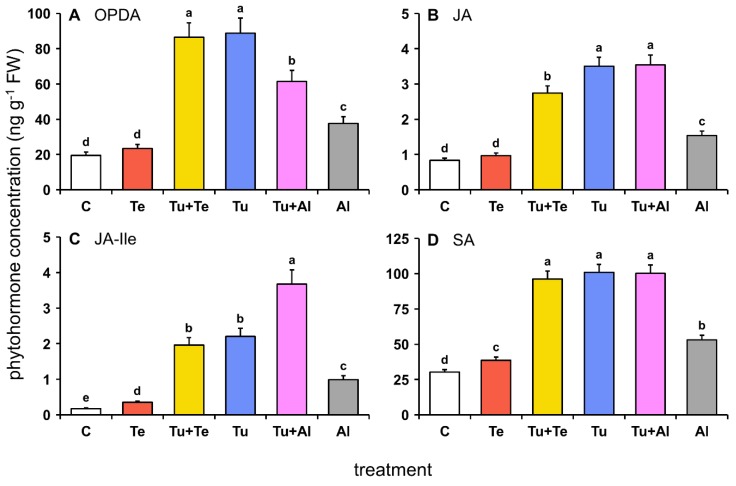
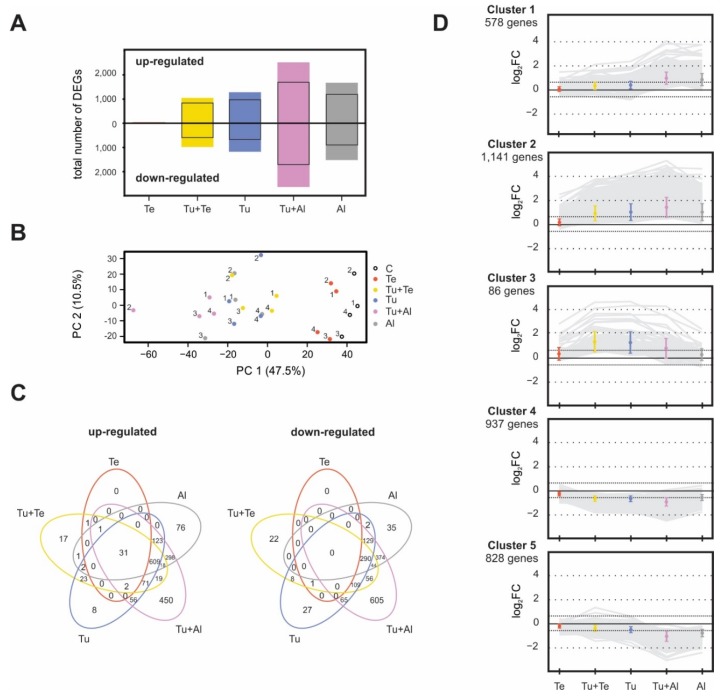
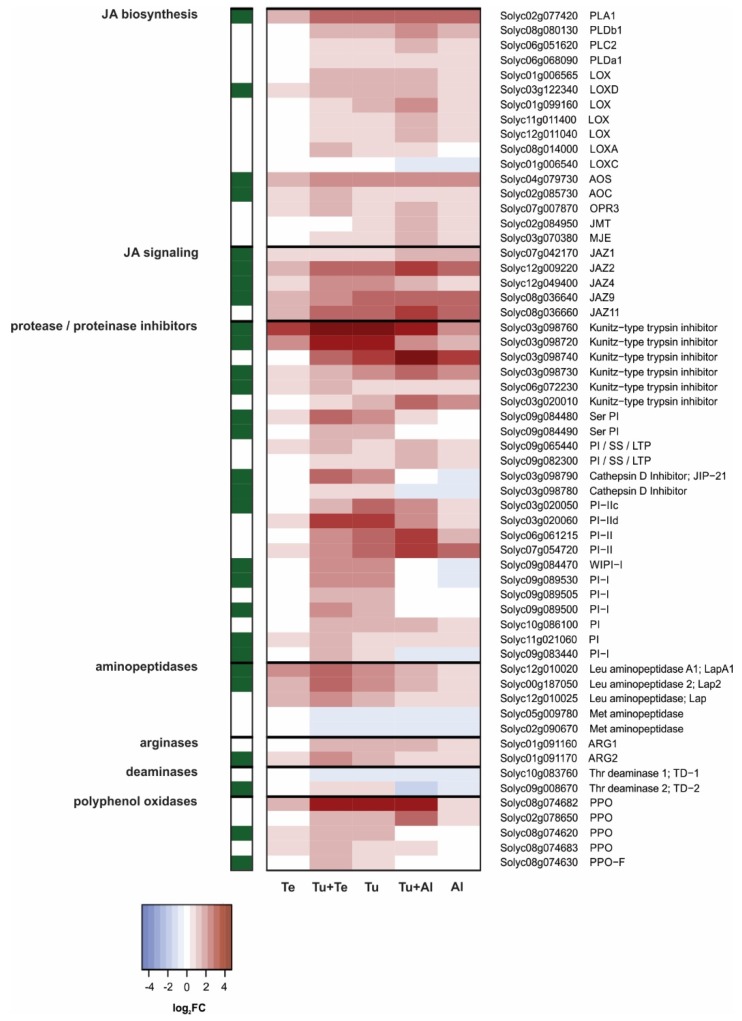
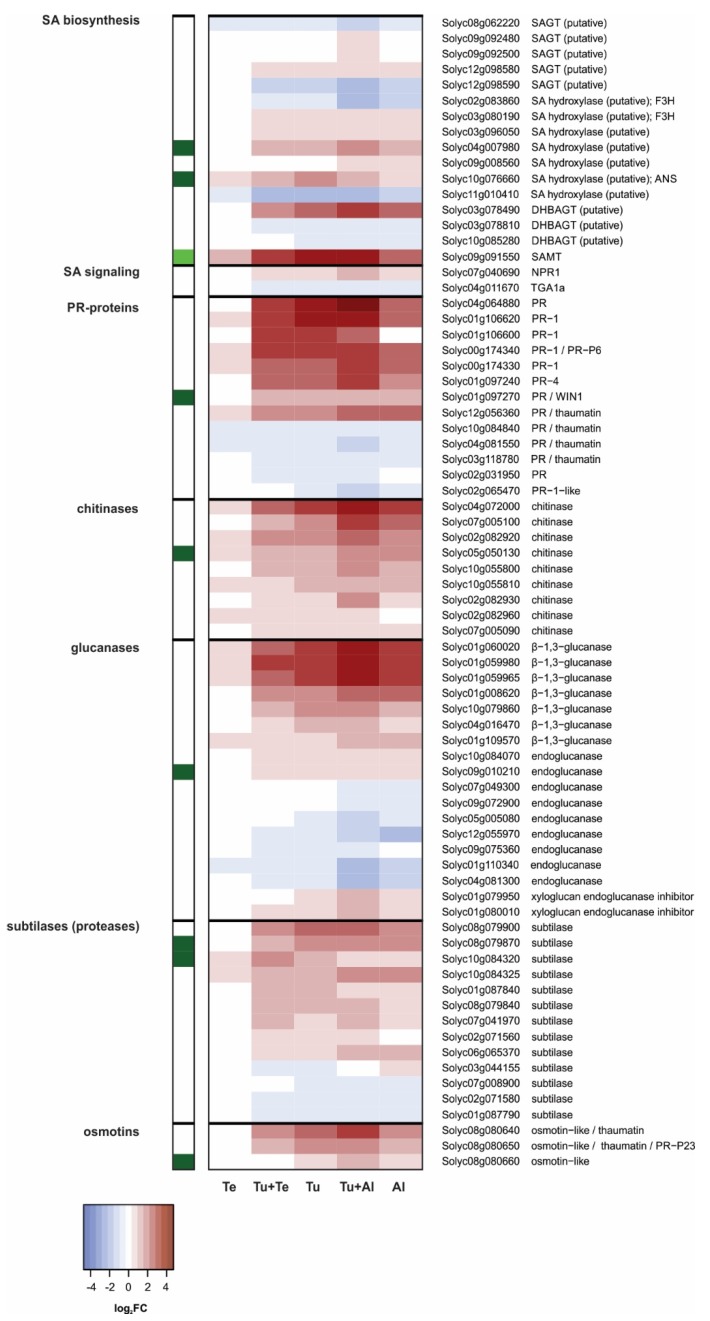
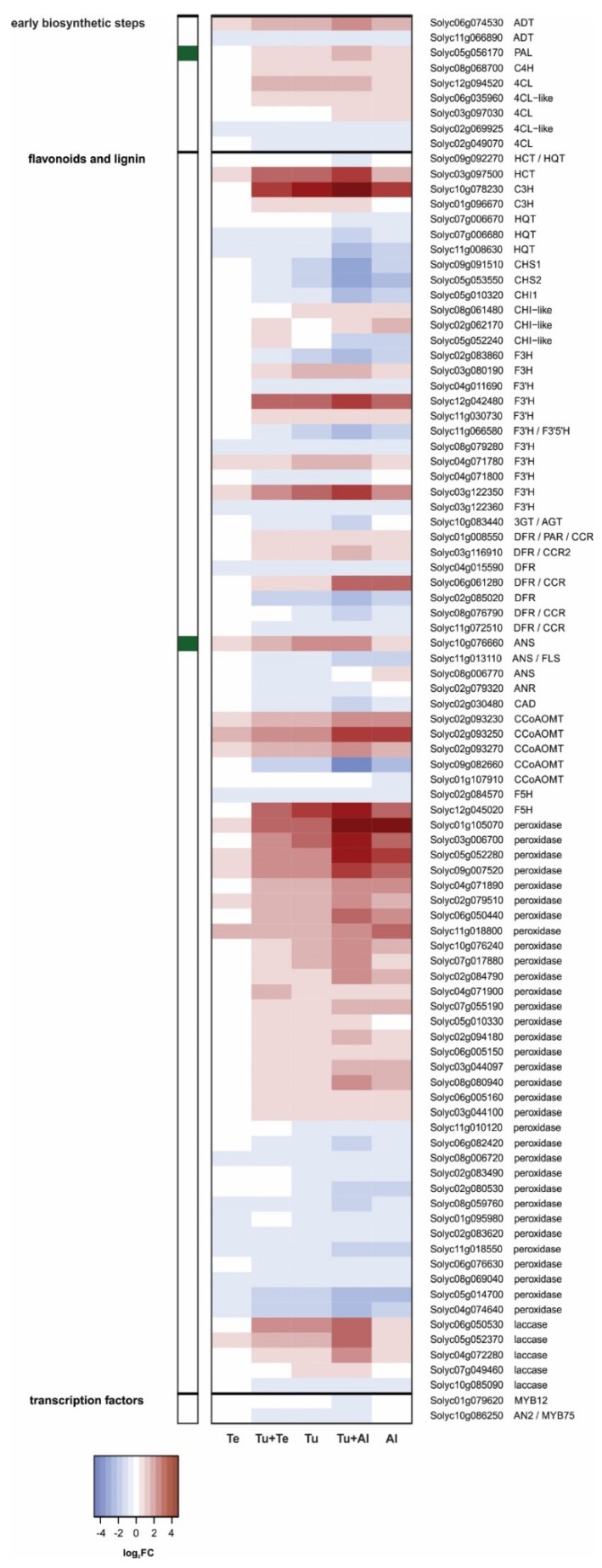
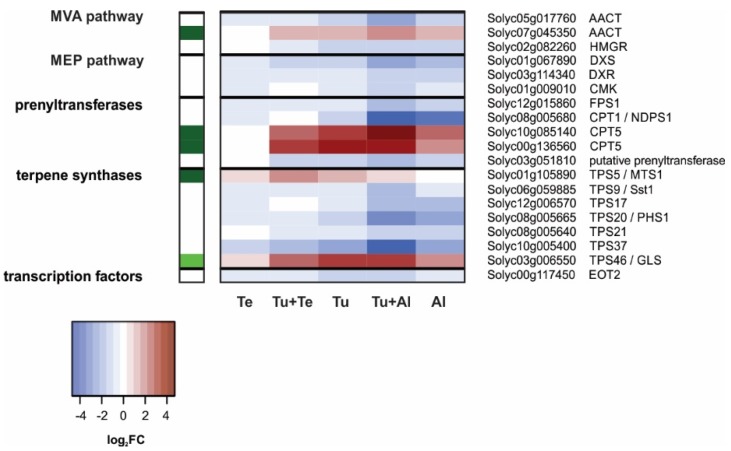
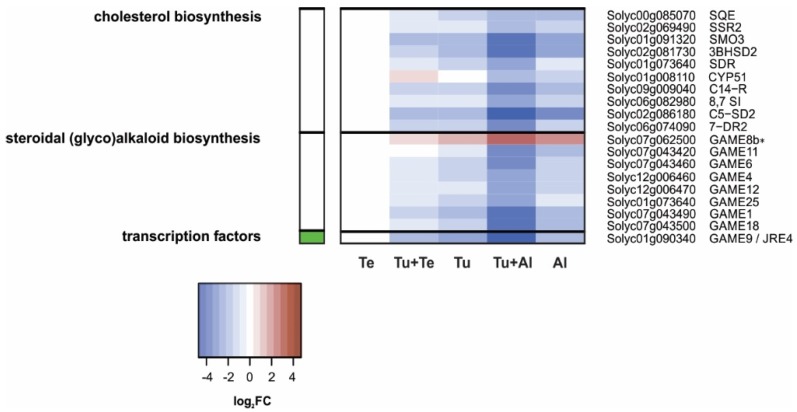
Tomato plants are attacked by diverse herbivorous arthropods, including by cell-content-feeding mites, such as the extreme generalist Tetranychus urticae and specialists like Tetranychus evansi and Aculops lycopersici. Mite feeding induces plant defense responses that reduce mite performance. However, T. evansi and A. lycopersici suppress plant defenses via poorly understood mechanisms and, consequently, maintain a high performance on tomato. On a shared host, T. urticae can be facilitated by either of the specialist mites, likely due to the suppression of plant defenses. To better understand defense suppression and indirect plant-mediated interactions between herbivorous mites, we used gene-expression microarrays to analyze the transcriptomic changes in tomato after attack by either a single mite species (T. urticae, T. evansi, A. lycopersici) or two species simultaneously (T. urticae plus T. evansi or T. urticae plus A. lycopersici). Additionally, we assessed mite-induced changes in defense-associated phytohormones using LC-MS/MS. Compared to non-infested controls, jasmonates (JAs) and salicylate (SA) accumulated to higher amounts upon all mite-infestation treatments, but the response was attenuated after single infestations with defense-suppressors. Strikingly, whereas 8 to 10% of tomato genes were differentially expressed upon single infestations with T. urticae or A. lycopersici, respectively, only 0.1% was altered in T. evansi-infested plants. Transcriptome analysis of dual-infested leaves revealed that A. lycopersici primarily suppressed T. urticae-induced JA defenses, while T. evansi dampened T. urticae-triggered host responses on a transcriptome-wide scale. The latter suggests that T. evansi not solely down-regulates plant gene expression, but rather directs it back towards housekeeping levels. Our results provide valuable new insights into the mechanisms underlying host defense suppression and the plant-mediated facilitation of competing herbivores.
Keywords: comparative transcriptomics; defense suppression; dual infestation; facilitation; herbivore; plant defense; plant-mediated interactions; tomato red spider mite (Tetranychus evansi); tomato russet mite (Aculops lycopersici); two-spotted spider mite (Tetranychus urticae).
Conflict of interest statement
The authors declare no conflict of interest.
Figures
References
MeSH terms
Substances
Grants and funding
- ALW TTI Green Genetics 828.08.001/Nederlandse Organisatie voor Wetenschappelijk Onderzoek
- ALW TOP 854.11.005/Nederlandse Organisatie voor Wetenschappelijk Onderzoek
- ALW 'Meer met minder' 847.13.005/Nederlandse Organisatie voor Wetenschappelijk Onderzoek
- STW VIDI-13492/Nederlandse Organisatie voor Wetenschappelijk Onderzoek
- 12T9818N/Fonds Wetenschappelijk Onderzoek
LinkOut - more resources
Full Text Sources
Molecular Biology Databases
