


Endurance exercise and gut microbiota: A review
- PMID: 30356594
- PMCID: PMC6188999
- DOI: 10.1016/j.jshs.2016.05.001
Endurance exercise and gut microbiota: A review
Abstract
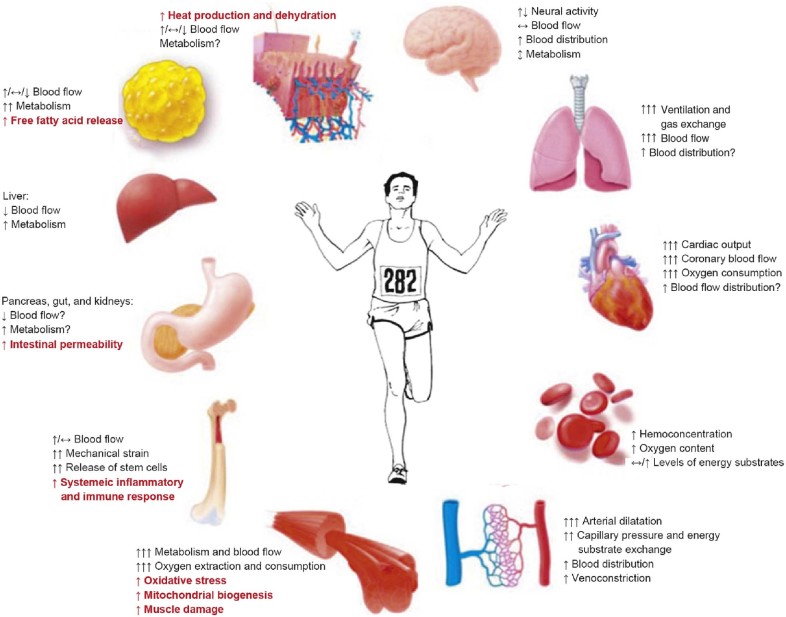
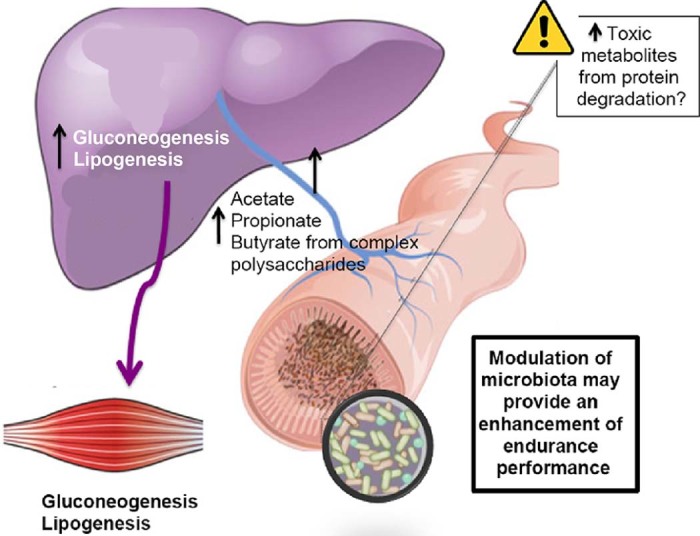
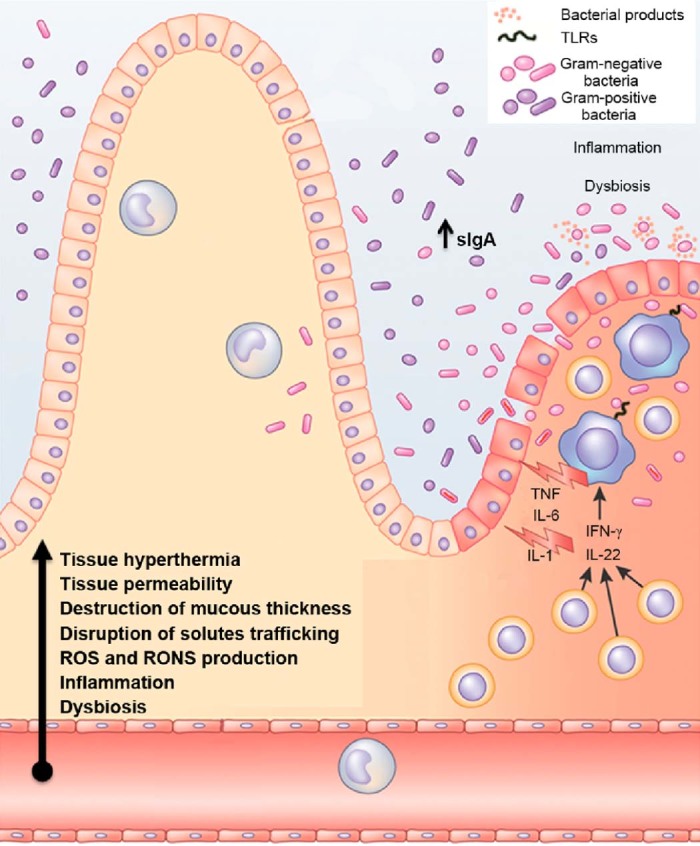
Background: The physiological and biochemical demands of intense exercise elicit both muscle-based and systemic responses. The main adaptations to endurance exercise include the correction of electrolyte imbalance, a decrease in glycogen storage and the increase of oxidative stress, intestinal permeability, muscle damage, and systemic inflammatory response. Adaptations to exercise might be influenced by the gut microbiota, which plays an important role in the production, storage, and expenditure of energy obtained from the diet as well as in inflammation, redox reactions, and hydration status.
Methods: A systematic and comprehensive search of electronic databases, including MEDLINE, Scopus, ClinicalTrials.gov, ScienceDirect, Springer Link, and EMBASE was done. The search process was completed using the keywords: "endurance", "exercise", "immune response", "microbiota", "nutrition", and "probiotics".
Results: Reviewed literature supports the hypothesis that intestinal microbiota might be able to provide a measureable, effective marker of an athlete's immune function and that microbial composition analysis might also be sensitive enough to detect exercise-induced stress and metabolic disorders. The review also supports the hypothesis that modifying the microbiota through the use of probiotics could be an important therapeutic tool to improve athletes' overall general health, performance, and energy availability while controlling inflammation and redox levels.
Conclusion: The present review provides a comprehensive overview of how gut microbiota may have a key role in controlling the oxidative stress and inflammatory responses as well as improving metabolism and energy expenditure during intense exercise.
Keywords: Endurance; Exercise; Immune response; Microbiota; Nutrition; Probiotics.
Figures
References
-
- Munoz A., Riber C., Trigo P., Castejon-Riber C., Castejon F.M. Dehydration, electrolyte imbalances and renin-angiotensin-aldosterone-vasopressin axis in successful and unsuccessful endurance horses. Equine Vet J. 2010;42:83–90. - PubMed
-
- Snow D.H., Baxter P., Rose R.J. Muscle fibre composition and glycogen depletion in horses competing in an endurance ride. Vet Rec. 1981;108:374–378. - PubMed
-
- Davies K.J., Packer L., Brooks G.A. Biochemical adaptation of mitochondria, muscle, and whole-animal respiration to endurance training. Arch Biochem Biophys. 1981;209:539–554. - PubMed
Publication types
LinkOut - more resources
Full Text Sources
Other Literature Sources
Medical
