


Multimorbidity and functional impairment-bidirectional interplay, synergistic effects and common pathways
- PMID: 30357990
- PMCID: PMC6446236
- DOI: 10.1111/joim.12843
Multimorbidity and functional impairment-bidirectional interplay, synergistic effects and common pathways
Abstract
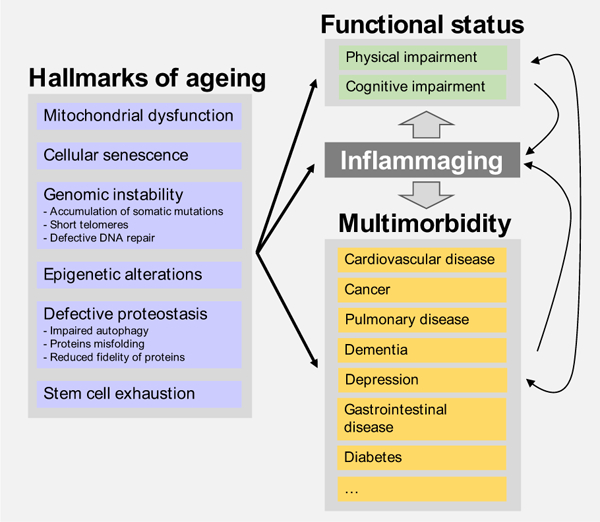
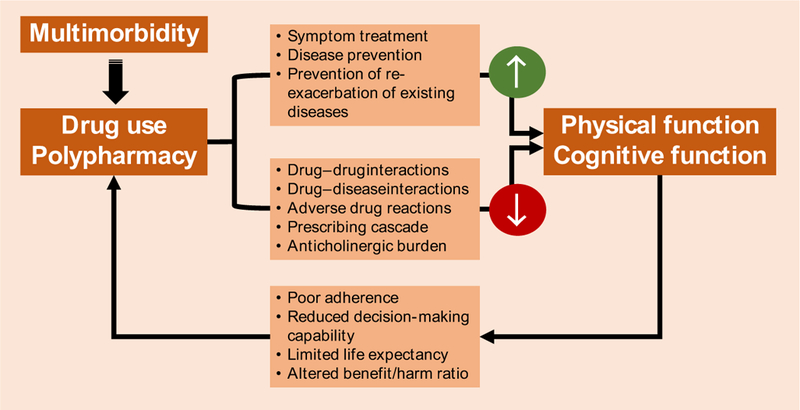
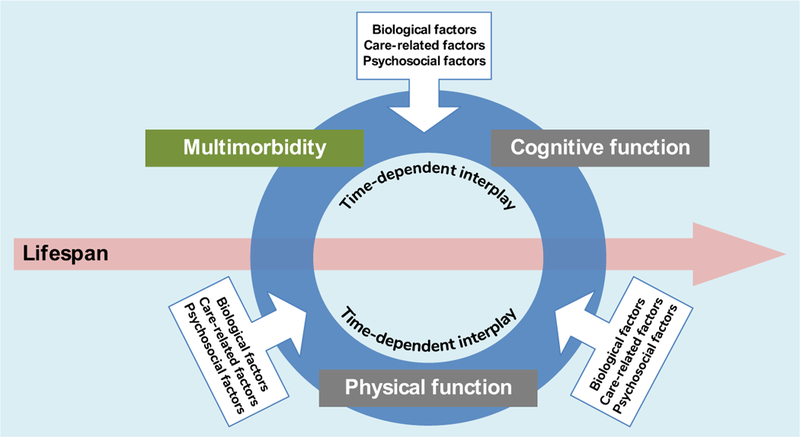
This review discusses the interplay between multimorbidity (i.e. co-occurrence of more than one chronic health condition in an individual) and functional impairment (i.e. limitations in mobility, strength or cognition that may eventually hamper a person's ability to perform everyday tasks). On the one hand, diseases belonging to common patterns of multimorbidity may interact, curtailing compensatory mechanisms and resulting in physical and cognitive decline. On the other hand, physical and cognitive impairment impact the severity and burden of multimorbidity, contributing to the establishment of a vicious circle. The circle may be further exacerbated by people's reduced ability to cope with treatment and care burden and physicians' fragmented view of health problems, which cause suboptimal use of health services and reduced quality of life and survival. Thus, the synergistic effects of medical diagnoses and functional status in adults, particularly older adults, emerge as central to assessing their health and care needs. Furthermore, common pathways seem to underlie multimorbidity, functional impairment and their interplay. For example, older age, obesity, involuntary weight loss and sedentarism can accelerate damage accumulation in organs and physiological systems by fostering inflammatory status. Inappropriate use or overuse of specific medications and drug-drug and drug-disease interactions also contribute to the bidirectional association between multimorbidity and functional impairment. Additionally, psychosocial factors such as low socioeconomic status and the direct or indirect effects of negative life events, weak social networks and an external locus of control may underlie the complex interactions between multimorbidity, functional decline and negative outcomes. Identifying modifiable risk factors and pathways common to multimorbidity and functional impairment could aid in the design of interventions to delay, prevent or alleviate age-related health deterioration; this review provides an overview of knowledge gaps and future directions.
Keywords: ageing; cognitive function; multimorbidity; physical function.
© 2018 The Association for the Publication of the Journal of Internal Medicine.
Figures
References
Publication types
MeSH terms
Grants and funding
LinkOut - more resources
Full Text Sources
Medical
