


The effect of energy-matched exercise intensity on brain-derived neurotrophic factor and motor learning
- PMID: 30359727
- PMCID: PMC6498427
- DOI: 10.1016/j.nlm.2018.10.008
The effect of energy-matched exercise intensity on brain-derived neurotrophic factor and motor learning
Abstract
Background: Pairing a bout of high-intensity exercise with motor task practice can enhance motor learning beyond task practice alone, which is thought, in part, to be facilitated by an exercise-related increase in brain-derived neurotrophic factor (BDNF). The purpose of the current study was to examine the effect of different exercise intensities on BDNF levels and motor learning while controlling for exercise-related energy expenditure.
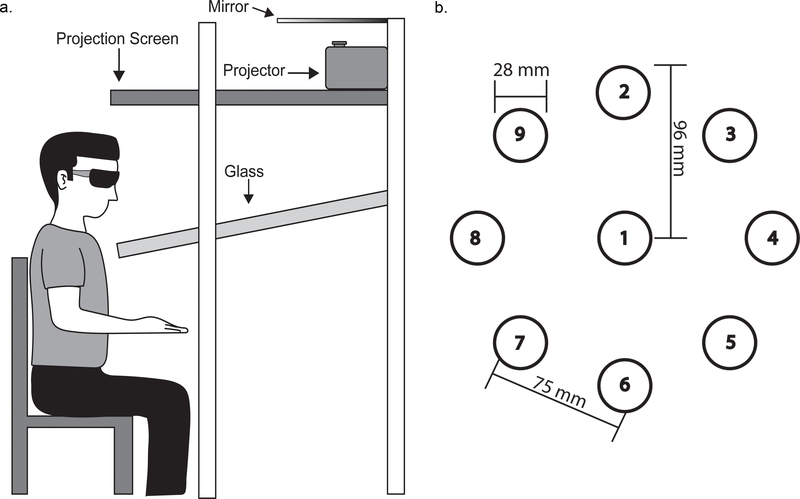
Methods: Forty-eight young, healthy participants were assigned to one of three groups: high-intensity exercise [High], low-intensity exercise [Low], or quiet rest [Rest]. The duration of the exercise bouts were individually adjusted so that each participant expended 200 kcals regardless of exercise intensity. BDNF was measured before and after exercise or rest. After exercise or rest, all participants practiced a 3-dimensional motor learning task, which involved reach movements made to sequentially presented targets. Retention was tested after 24-h. BDNF genotype was determined for each participant to explore its effects on BDNF and motor learning.
Results: All participants equally improved performance, indicated by a reduction in time to complete the task. However, the kinematic profile used to control the reach movement differed by group. The Rest group travelled the shortest distance between the targets, the High group had higher reach speed (peak velocity), and the Low group had earlier peak velocities. The rise in BDNF post-exercise was not significant, regardless of exercise intensity, and the change in BDNF was not associated with motor learning. The BDNF response to exercise did not differ by genotype. However, performance differed between those with the polymorphism (Met carriers) and those without (Val/Val). Compared to the Val/Val genotype, Met carriers had faster response times throughout task practice, which was supported by higher reach speeds and earlier peak velocities.
Conclusion: Results indicated that both low and high-intensity exercise can alter the kinematic approach used to complete a reach task, and these changes appear unrelated to a change in BDNF. In addition, the BDNF genotype did not influence BDNF concentration, but it did have an effect on motor performance of a sequential target reach task.
Keywords: Acute exercise; Brain-derived neurotrophic factor; Exercise intensity; Motor learning.
Copyright © 2018 Elsevier Inc. All rights reserved.
Figures


References
-
- Adams JA (1971). A closed-loop theory of motor learning. Journal of motor behavior, 3(2), 111–150. - PubMed
-
- Atkinson G, & Batterham AM (2015). True and false interindividual differences in the physiological response to an intervention. Experimental physiology, 100(6), 577–588. - PubMed
-
- Bath KG, & Lee FS (2006). Variant BDNF (Val66Met) impact on brain structure and function. Cognitive, Affective, & Behavioral Neuroscience, 6(1), 79–85. - PubMed
Publication types
MeSH terms
Substances
Grants and funding
LinkOut - more resources
Full Text Sources
Medical
Miscellaneous
