


Endothelial Extracellular Vesicles in Pulmonary Function and Disease
- PMID: 30360780
- PMCID: PMC6626636
- DOI: 10.1016/bs.ctm.2018.09.002
Endothelial Extracellular Vesicles in Pulmonary Function and Disease
Abstract
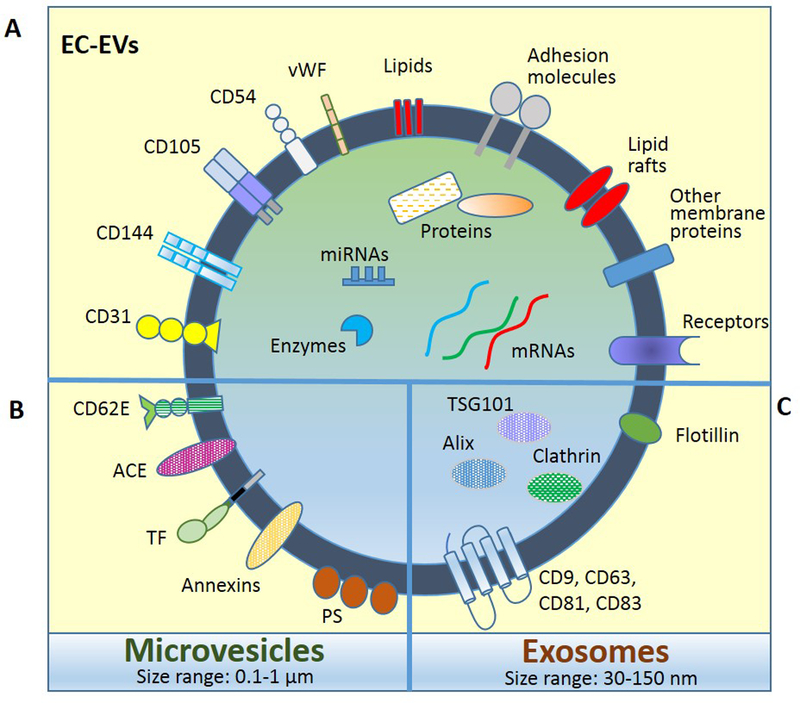
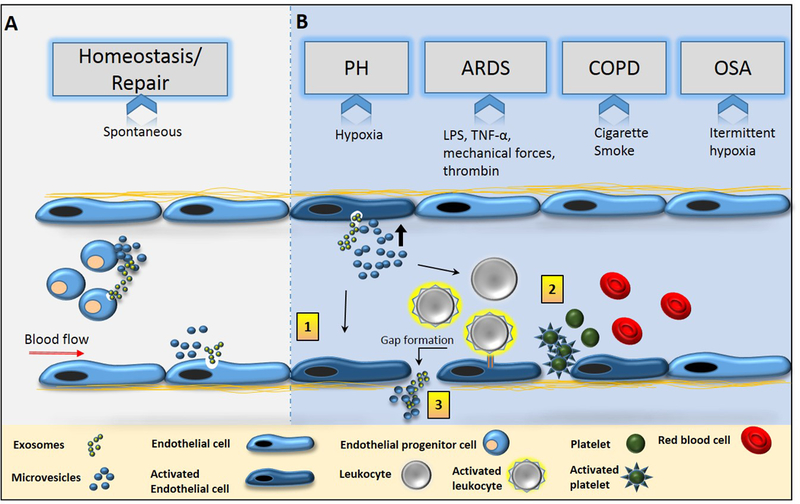
The pulmonary vascular endothelium is involved in the pathogenesis of acute and chronic lung diseases. Endothelial cell (EC)-derived products such as extracellular vesicles (EVs) serve as EC messengers that mediate inflammatory as well as cytoprotective effects. EC-EVs are a broad term, which encompasses exosomes and microvesicles of endothelial origin. EVs are comprised of lipids, nucleic acids, and proteins that reflect not only the cellular origin but also the stimulus that triggered their biogenesis and secretion. This chapter presents an overview of the biology of EC-EVs and summarizes key findings regarding their characteristics, components, and functions. The role of EC-EVs is specifically delineated in pulmonary diseases characterized by endothelial dysfunction, including pulmonary hypertension, acute respiratory distress syndrome and associated conditions, chronic obstructive pulmonary disease, and obstructive sleep apnea.
Keywords: ARDS; Exosome; Extracellular vesicle; Lung injury; Microparticle; Microvesicle; Pulmonary endothelium; Pulmonary vascular disease.
© 2018 Elsevier Inc. All rights reserved.
Figures
References
-
- Abid Hussein M. N., Boing AN, Biro E, Hoek FJ, Vogel GM, Meuleman DG, Sturk A, and Nieuwland R. 2008. ‘Phospholipid composition of in vitro endothelial microparticles and their in vivo thrombogenic properties’, Thromb Res, 121: 865–71. - PubMed
-
- Amabile N, Heiss C, Chang V, Angeli FS, Damon L, Rame EJ, McGlothlin D, Grossman W, De Marco T, and Yeghiazarians Y. 2009. ‘Increased CD62e(+) endothelial microparticle levels predict poor outcome in pulmonary hypertension patients’, J Heart Lung Transplant, 28: 1081–6. - PubMed
Publication types
MeSH terms
Grants and funding
LinkOut - more resources
Full Text Sources
Medical
