


The Skin and Parkinson's Disease: Review of Clinical, Diagnostic, and Therapeutic Issues
- PMID: 30363435
- PMCID: PMC6174479
- DOI: 10.1002/mdc3.12425
The Skin and Parkinson's Disease: Review of Clinical, Diagnostic, and Therapeutic Issues
Abstract
Background: Parkinson's disease (PD) and the skin are related in a number of ways, including clinical abnormalities of the disease itself and skin-related side effects of dopaminergic medication, pumps, and surgical therapies. Recent advances in understanding the role of α-synuclein suggest skin biopsies as a potential diagnostic or even a premotor marker of PD.
Methods: The PubMed database was searched for publications up to October 2015, and the current evidence on skin-related issues in PD was comprehensively summarized.
Results: The evidence was summarized on the prevalence, etiology, and management of seborrheic dermatitis, sweating dysfunctions, bullous pemphigoid, and malignant melanoma, as well as therapy-related skin disorders, especially those observed in amantadine, rotigotine, apomorphine, and levodopa/carbidopa intestinal gel therapies and deep-brain stimulation. Skin biopsies evaluating the presence of α-synuclein, the density and morphology of cutaneous nerves, and skin fibroblast functions also are discussed.
Conclusions: Skin disorders are a common manifestation of PD. However, the exact pathophysiology and prevalence of these disorders are not well understood, and more systematic research is needed in this regard. Peripheral tissue biopsies as a diagnostic marker of PD are an exciting avenue in future PD research, although multiple caveats and pending issues need to be solved before they can be used in routine clinical practice.
Keywords: Parkinson's disease; melanoma; skin; therapy; α‐synuclein.
Figures
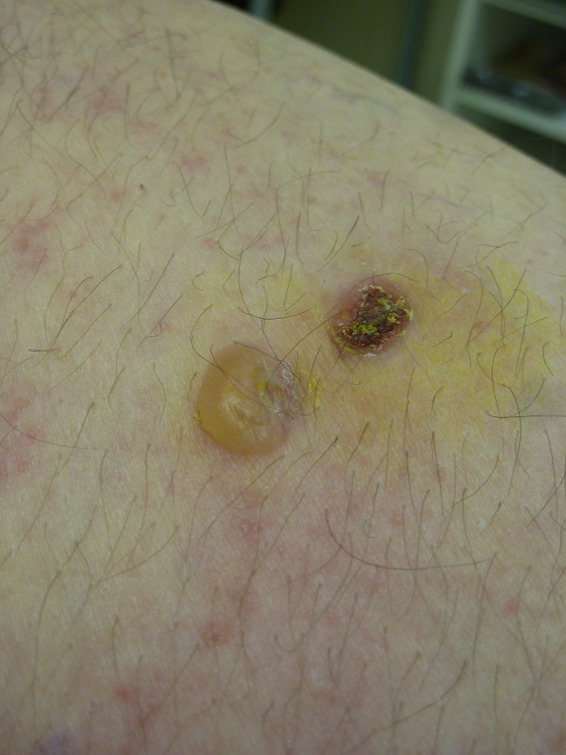
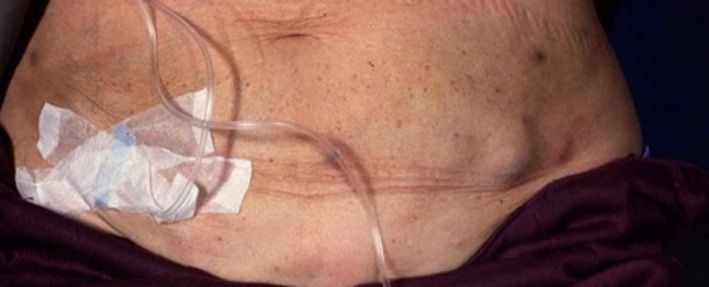
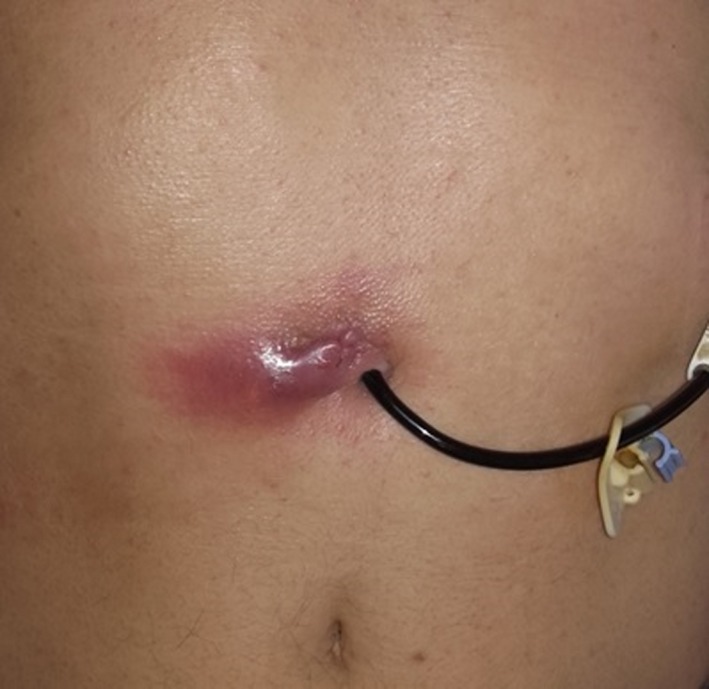
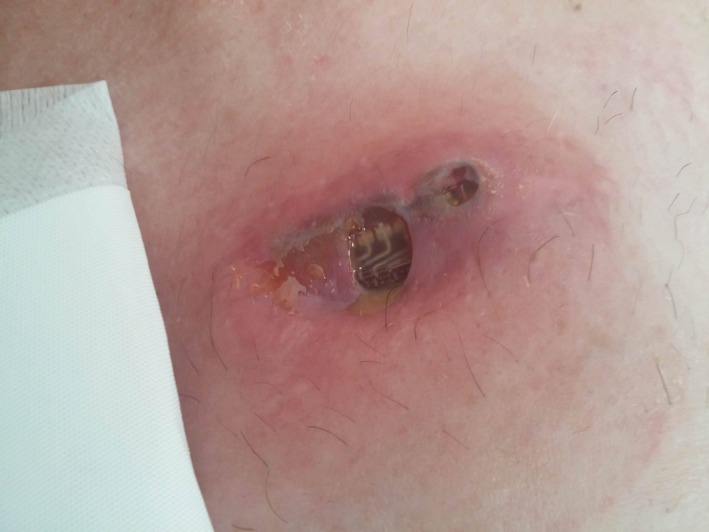
References
-
- Krestin D. The seborrheic facies as a manifestation of post‐encephalitic parkinsonism and allied disorders. Q J Med 1927;21:177–186.
-
- Pont‐Sunyer C, Hotter A, Gaig C, et al. The onset of nonmotor symptoms in Parkinson's disease (the ONSET PD study). Mov Disord 2015;30:229–237. - PubMed
-
- Chen YJ, Wu CY, Lin MW, et al. Comorbidity profiles among patients with bullous pemphigoid a nationwide population‐based study. Br J Dermatol 2011;165:593–599. - PubMed
-
- Fedorow H, Tribl F, Halliday G, Gerlach M, Reiderer P, Double KL. Neuromelanin in human dopamine neurons: comparison with peripheral melanins and relevance to Parkinson's disease. Prog Neurobiol 2005;75:109–124. - PubMed
Publication types
LinkOut - more resources
Full Text Sources
Molecular Biology Databases
