


Effect of ghost pepper on cell proliferation, apoptosis, senescence and global proteomic profile in human renal adenocarcinoma cells
- PMID: 30379886
- PMCID: PMC6209291
- DOI: 10.1371/journal.pone.0206183
Effect of ghost pepper on cell proliferation, apoptosis, senescence and global proteomic profile in human renal adenocarcinoma cells
Abstract
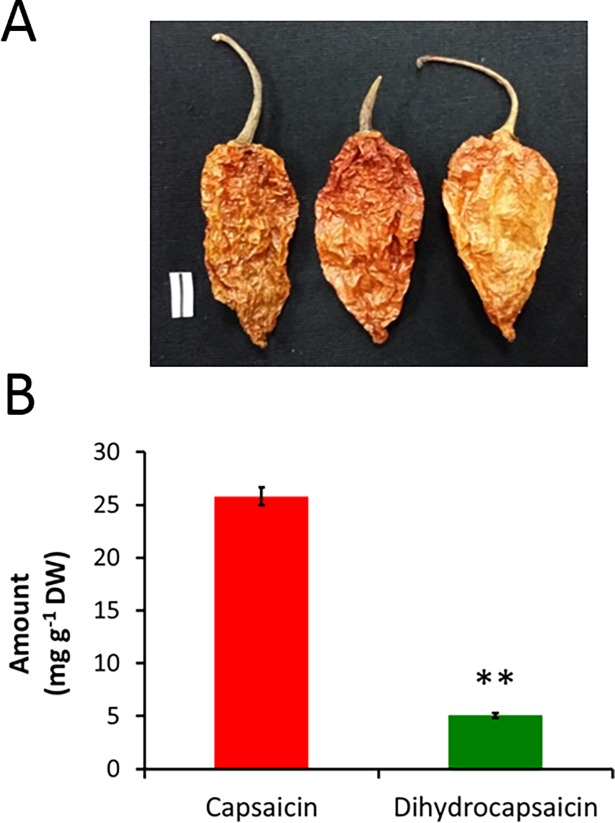
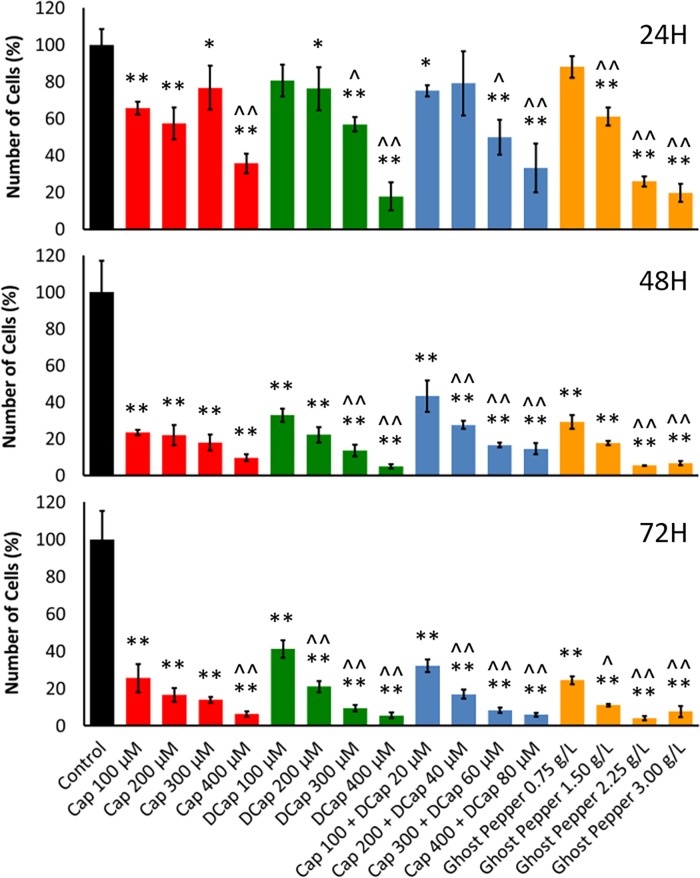
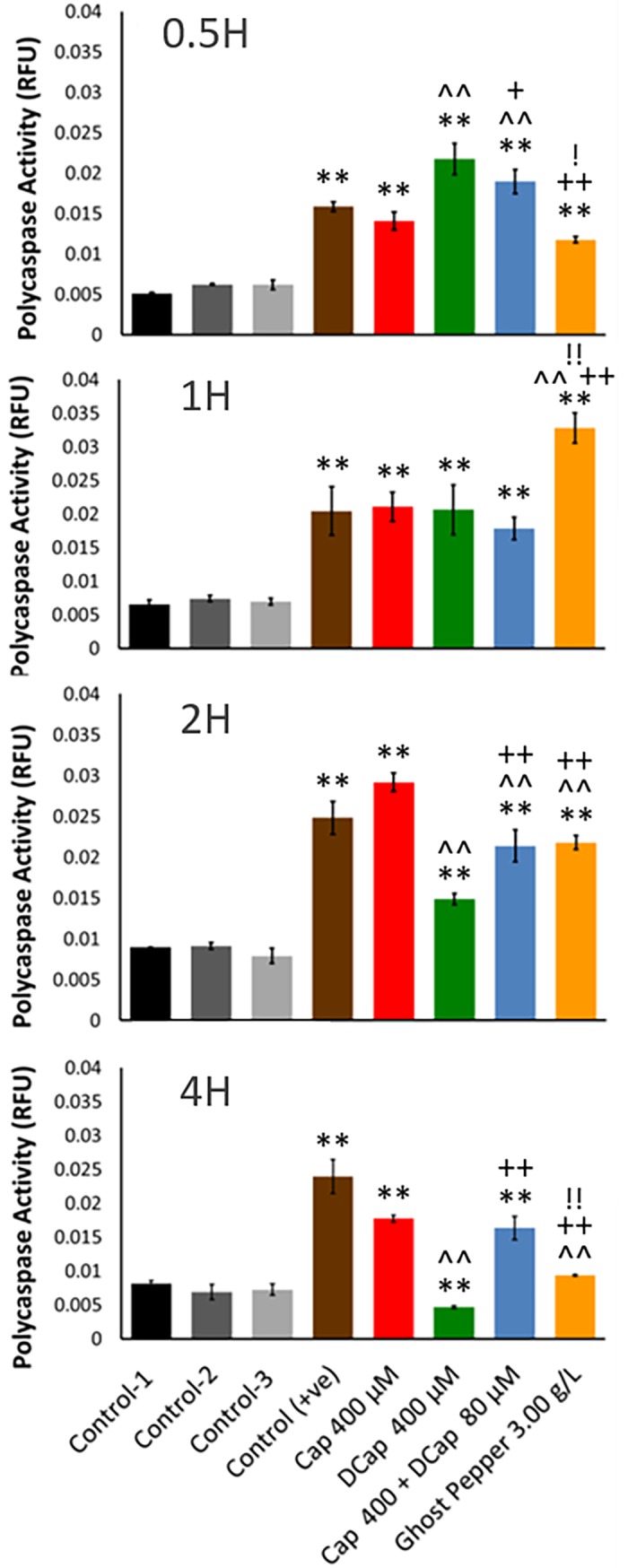
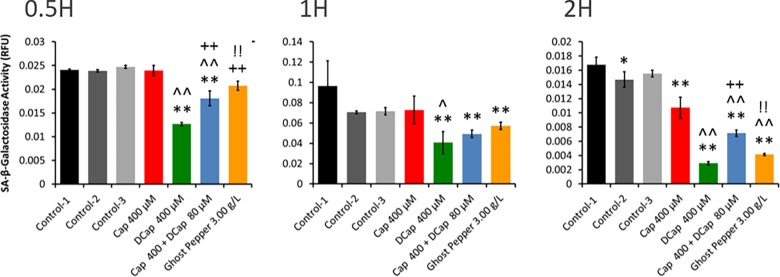
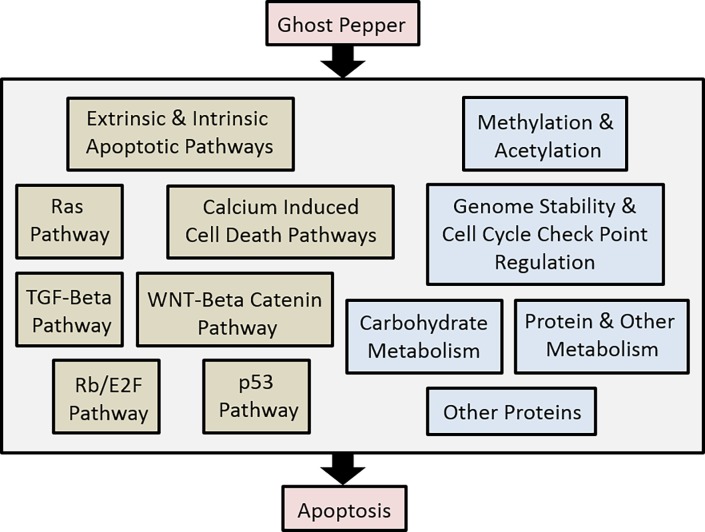
Chili peppers are an important constituent of many foods and contain medicinally valuable compounds, such as capsaicin and dihydrocapsaicin. As various dietary botanicals have anticancer properties, this study was aimed to examine the effect of Ghost pepper (Bhut Jolokia), one of the hottest chili peppers in the world, on cell proliferation, apoptosis, senescence and the global proteomic profile in human renal cell adenocarcinoma in vitro. 769-P human renal adenocarcinoma cells were cultured on RPMI-1640 media supplemented with fetal bovine serum (10%) and antibiotic-antimycotic solution (1%). Treatment stock solutions were prepared in ethanol. Cell proliferation was tested with phenol red-free media with capsaicin (0-400 μM), dihydrocapsaicin (0-400 μM), capsaicin + dihydrocapsaicin (5:1), and dry Ghost peppers (0-3 g L-1) for 24, 48 and 72 h. Polycaspase and senescence associated-beta-galactosidase (SA-beta-gal) activities were tested with capsaicin (400 μM), dihydrocapsaicin (400 μM), capsaicin (400 μM) + dihydrocapsaicin (80 μM), and ghost pepper (3 g L-1) treatments. Global proteomic profile of cells in control and ghost pepper treatment (3 g L-1) was analyzed after 6 h by a shotgun proteomic approach using tandem mass spectrometry. At 24 h after treatment (24 HAT), relative to control, cell proportion with capsaicin (400 μM), dihydrocapsaicin (400 μM), capsaicin (400 μM) + dihydrocapsaicin (80 μM), and ghost pepper (3 g L-1) treatments was reduced to 36%, 18%, 33% and 20%, respectively, and further reduced at 48 and 72 HAT. All treatments triggered an early polycaspase response. SA-beta-gal activity was normal or suppressed with all treatments. About 68,220 protein isoforms were identified by shotgun proteomic approach. Among these, about 8.2% were significantly affected by ghost pepper. Ghost pepper regulated various proteins involved in intrinsic and extrinsic apoptotic pathways, Ras, Rb/E2F, p53, TGF-beta, WNT-beta catenin, and calcium induced cell death pathways. Ghost pepper also induced changes in proteins related to methylation, acetylation, genome stability, cell cycle check points, carbohydrate, protein and other metabolism and cellular mechanisms. Ghost pepper exhibited antiproliferation activity by inducing apoptosis through a complex network of proteins in human renal cell adenocarcinoma in vitro.
Conflict of interest statement
The authors have declared that no competing interests exist.
Figures
References
-
- Guinness Book of World Records. Hottest Spice. 2006. www.guinnessworldrecords.com.
-
- Mathur R, Dangi R, Dass S, Malhotra R. The hottest chilli variety in India. Current science. 2000;79(3):287–8.
-
- Sanatombi K, Sharma G. Capsaicin content and pungency of different Capsicum spp. cultivars. Notulae Botanicae Horti Agrobotanici Cluj-Napoca. 2008;36(2):89.
-
- Hoffman PG, Lego MC, Galetto WG. Separation and quantitation of red pepper major heat principles by reverse-phase high-pressure liquid chromatography. Journal of Agricultural and Food Chemistry. 1983;31(6):1326–30.
Publication types
MeSH terms
Substances
Associated data
Grants and funding
LinkOut - more resources
Full Text Sources
Other Literature Sources
Medical
Research Materials
Miscellaneous
