


Follow-up services for improving long-term outcomes in intensive care unit (ICU) survivors
- PMID: 30388297
- PMCID: PMC6517170
- DOI: 10.1002/14651858.CD012701.pub2
Follow-up services for improving long-term outcomes in intensive care unit (ICU) survivors
Abstract
Background: The intensive care unit (ICU) stay has been linked with a number of physical and psychological sequelae, known collectively as post-intensive care syndrome (PICS). Specific ICU follow-up services are relatively recent developments in health systems, and may have the potential to address PICS through targeting unmet health needs arising from the experience of the ICU stay. There is currently no single accepted model of follow-up service and current aftercare programmes encompass a variety of interventions and materials. There is uncertain evidence about whether follow-up services effectively address PICS, and this review assesses this.
Objectives: Our main objective was to assess the effectiveness of follow-up services for ICU survivors that aim to identify and address unmet health needs related to the ICU period. We aimed to assess effectiveness in relation to health-related quality of life (HRQoL), mortality, depression and anxiety, post-traumatic stress disorder (PTSD), physical function, cognitive function, ability to return to work or education and adverse effects.Our secondary objectives were to examine different models of follow-up services. We aimed to explore: the effectiveness of service organisation (physician- versus nurse-led, face-to-face versus remote, timing of follow-up service); differences related to country (high-income versus low- and middle-income countries); and effect of delirium, which can subsequently affect cognitive function, and the effect of follow-up services may differ for these participants.
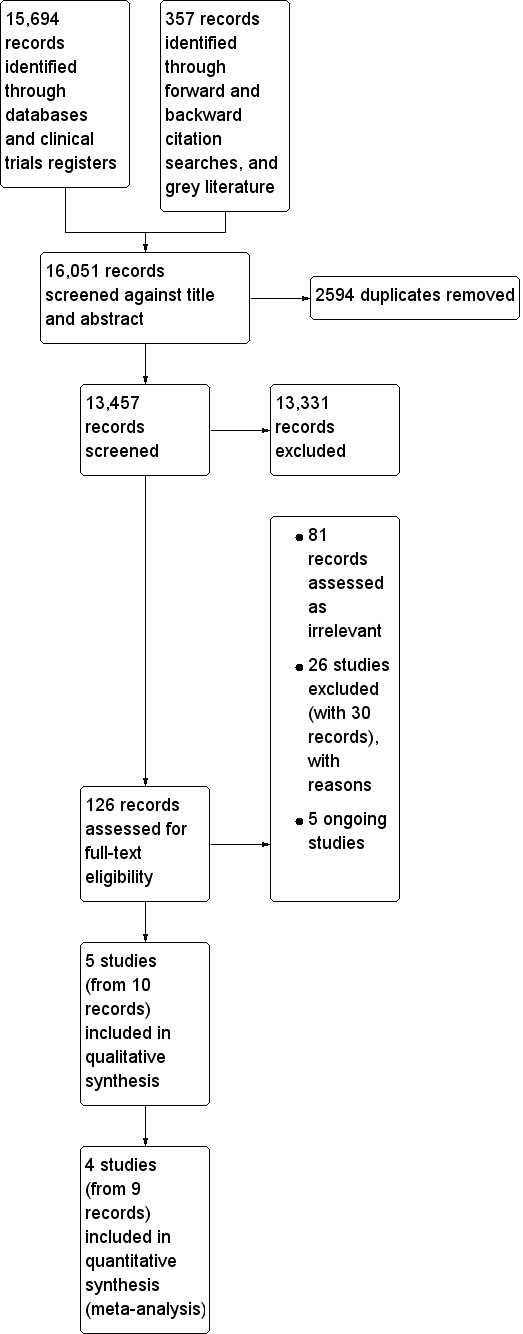
Search methods: We searched CENTRAL, MEDLINE, Embase and CINAHL on 7 November 2017. We searched clinical trials registers for ongoing studies, and conducted backward and forward citation searching of relevant articles.
Selection criteria: We included randomised and non-randomised studies with adult participants, who had been discharged from hospital following an ICU stay. We included studies that compared an ICU follow-up service using a structured programme and co-ordinated by a healthcare professional versus no follow-up service or standard care.
Data collection and analysis: Two review authors independently assessed studies for inclusion, extracted data, assessed risk of bias, and synthesised findings. We used the GRADE approach to assess the certainty of the evidence.
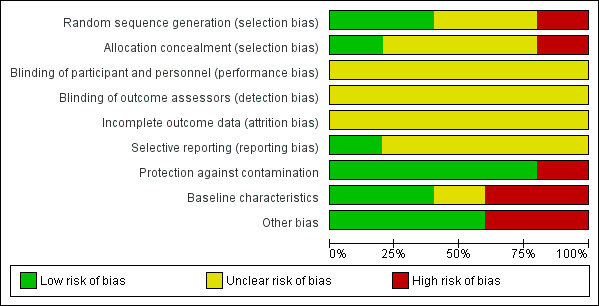
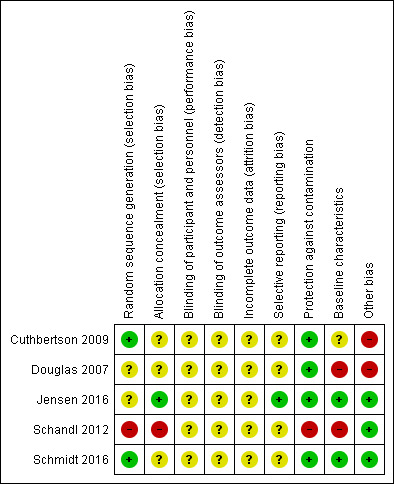
Main results: We included five studies (four randomised studies; one non-randomised study), for a total of 1707 participants who were ICU survivors with a range of illness severities and conditions. Follow-up services were led by nurses in four studies or a multidisciplinary team in one study. They included face-to-face consultations at home or in a clinic, or telephone consultations or both. Each study included at least one consultation (weekly, monthly, or six-monthly), and two studies had up to eight consultations. Although the design of follow-up service consultations differed in each study, we noted that each service included assessment of participants' needs with referrals to specialist support if required.It was not feasible to blind healthcare professionals or participants to the intervention and we did not know whether this may have introduced performance bias. We noted baseline differences (two studies), and services included additional resources (two studies), which may have influenced results, and one non-randomised study had high risk of selection bias.We did not combine data from randomised studies with data from one non-randomised study. Follow-up services for improving long-term outcomes in ICU survivors may make little or no difference to HRQoL at 12 months (standardised mean difference (SMD) -0.0, 95% confidence interval (CI) -0.1 to 0.1; 1 study; 286 participants; low-certainty evidence). We found moderate-certainty evidence from five studies that they probably also make little or no difference to all-cause mortality up to 12 months after ICU discharge (RR 0.96, 95% CI 0.76 to 1.22; 4 studies; 1289 participants; and in one non-randomised study 79/259 deaths in the intervention group, and 46/151 in the control group) and low-certainty evidence from four studies that they may make little or no difference to PTSD (SMD -0.05, 95% CI -0.19 to 0.10, 703 participants, 3 studies; and one non-randomised study reported less chance of PTSD when a follow-up service was used).It is uncertain whether using a follow-up service reduces depression and anxiety (3 studies; 843 participants), physical function (4 studies; 1297 participants), cognitive function (4 studies; 1297 participants), or increases the ability to return to work or education (1 study; 386 participants), because the certainty of this evidence is very low. No studies measured adverse effects.We could not assess our secondary objectives because we found insufficient studies to justify subgroup analysis.
Authors' conclusions: We found insufficient evidence, from a limited number of studies, to determine whether ICU follow-up services are effective in identifying and addressing the unmet health needs of ICU survivors. We found five ongoing studies which are not included in this review; these ongoing studies may increase our certainty in the effect in future updates. Because of limited data, we were unable to explore whether one design of follow-up service is preferable to another, or whether a service is more effective for some people than others, and we anticipate that future studies may also vary in design. We propose that future studies are designed with robust methods (for example randomised studies are preferable) and consider only one variable (the follow-up service) compared to standard care; this would increase confidence that the effect is due to the follow-up service rather than concomitant therapies.
Conflict of interest statement
Oliver Schofield‐Robinson: no conflicts of interest
Sharon Lewis: no conflicts of interest
Andrew F Smith: no conflicts of interest
Joanne McPeake is the chief investigator on a Health Foundation study on rehabilitation after ICU stay. The study is funded by the Health Foundation, under the grant number 7672, and is run through NHS Greater Glasgow and Clyde. There are no additional interests to declare.
Phil Alderson: no conflicts of interest
Figures
Comment in
-
Follow-up services for improving long-term outcomes in intensive care unit (ICU) survivors - A Cochrane Review summary with commentary.J Rehabil Med. 2019 Dec 16;51(11):879-882. doi: 10.2340/16501977-2626. J Rehabil Med. 2019. PMID: 31840770 No abstract available.
References
References to studies included in this review
Cuthbertson 2009 {published data only}
-
- Cuthbertson BH, Rattray J, Johnston M, Wildsmith JA, Wilson E, Hernendez R, et al. A pragmatic randomised, controlled trial of intensive care follow up programmes in improving longer‐term outcomes from critical illness. The PRACTICAL study. BMC Health Services Research 2007;7:116. [PUBMED: 17645791] - PMC - PubMed
-
- Hernandez RA, Jenkinson D, Vale L, Cuthbertson BH. Economic evaluation of nurse‐led intensive care follow‐up programmes compared with standard care: the PRaCTICaL trial. European Journal of Health Economics 2014;15(3):243‐52. [PUBMED: 23535984] - PubMed
-
- ISRCTN24294750. A pragmatic randomised, controlled trial of intensive care post‐discharge review clinics in improving longer‐term outcomes from critical illness. isrctn.com/ISRCTN24294750 (first received 21 December 2006).
Douglas 2007 {published data only}
Jensen 2016 {published data only}
-
- Jensen JF, Egerod I, Bestle MH, Christensen DF, Elklit A, Hansen RL, et al. A recovery program to improve quality of life, sense of coherence and psychological health in ICU survivors: a multicenter randomized controlled trial, the RAPIT study. Intensive Care Medicine 2016;42(11):1733‐43. [PUBMED: 27695894] - PubMed
-
- Jensen JF, Overgaard D, Bestle MH, Christensen DF, Egerod I. Towards a new orientation: a qualitative longitudinal study of an intensive care recovery programme. Journal of Clinical Nursing 2017;26(1‐2):77‐90. [PUBMED: 27667681] - PubMed
-
- NCT01721239. Recovery and aftercare in post intensive care therapy patients ‐ RAPIT study [Recovery and aftercare in post intensive care therapy patients ‐ the RAPIT study. The effectiveness and experiences of a follow‐up program for Danish mechanically ventilated ICU patients: a pragmatic randomized controlled multicentre trial]. clinicaltrials.gov/ct2/show/NCT01721239 (first received 5 November 2012).
Schandl 2012 {published data only}
Schmidt 2016 {published data only}
References to studies excluded from this review
Alberto 2011 {published data only}
-
- Alberto L, Canete A, Zotarez H, Baca Niklas JE, Martinez MC. Liaison nurse role development: intensive care unit discharged patients follow up during the start up period of an acute care facility. Intensive Care Medicine 2011;37:S267.
Backman 2010 {published data only}
-
- Backman CG, Orwelius L, Sjoberg F, Fredrikson M, Walther SM. Long‐term effect of the ICU‐diary concept on quality of life after critical illness. Acta Anaesthesiologica Scandinavica 2010;54(6):736‐43. [PUBMED: 20236095] - PubMed
Ball 2003 {published data only}
Bourseau 2016 {published data only}
-
- Bourseau T, Fremondiere F, Dubus V, Gohier B, Gal D, Cave F, et al. Evaluation of disabilities and rehabilitation needs after critical illness: impact of an intensive care unit follow‐up clinic in the University Hospital of Angers. Annals of Physical and Rehabilitation Medicine 2016;59S:e152.
Cave 2016 {published data only}
-
- Cave F, Mercat A, Lerolle N. Implementation of an intensive care follow‐up clinic. Annals of Intensive Care. Conference: French Intensive Care Society, International Congress Reanimation. 2016; Vol. 6:no pagination.
Cox 2014 {published data only}
Cox 2017 {published data only}
-
- Cox CE, Carson SS, Hough CL, Kahn J, White DB, Olsen MK, et al. Coping skills training to improve psychological distress among critical illness survivors: a randomized clinical trial. American Journal of Respiratory and Critical Care Medicine 2017;195:A6732. [DOI: ] - PubMed
Davidson 2015 {published data only}
-
- Davidson J, Files DC, Bakhru RN, Griffin K, Morris PE. The design and implementation of a MICU survivors' clinic: a fellow's journey starting from square one. American Journal of Respiratory and Critical Care Medicine. Conference: American Thoracic Society International Conference, ATS. 2015; Vol. 191:no pagination.
Farazmand 2017 {published data only}
-
- Farazmand J, Nasiripour AA, Raeissi P. The effect of telephone follow‐up programs after hospital discharge on hope and the quality of life in patients admitted to the coronary care unit (CCU). Journal of Babol University of Medical Sciences 2017;19:41‐6.
Garrouste‐Orgeas 2010 {published data only}
-
- Garrouste‐Orgeas M, Coquet I, Perier A, Timsit JF, Pochard F, Philippart F, et al. Impact of an ICU diary on family and patient's psychological symptoms after an ICU stay. Intensive Care Medicine 2010;36:S154. [PUBMED: 22584757] - PubMed
Holmes 2007 {published data only}
-
- Holmes A, Hodgins G, Adey S, Menzel S, Danne P, Kossmann T, et al. Trial of interpersonal counselling after major physical trauma. Australian and New Zealand Journal of Psychiatry 2007;41:926‐33. [PUBMED: 17924246] - PubMed
Huynh 2017 {published data only}
-
- Huynh TG, Covalesky M, Sinclair S, Gunter H, Norton T, Chen A, et al. Measuring outcomes of an intensive care unit family diary program. AACN Advanced Critical Care 2017;28:179‐90. [PUBMED: 28592478] - PubMed
IRCT201110197844N1 {published data only}
-
- IRCT201110197844N1. Post intensive care unit patient's recovery [Assessing the impact of using a self help rehabilitation program on post ICU patient's health status in university hospitals of Kerman University of Medical Sciences]. apps.who.int/trialsearch/Trial3.aspx?trialid=IRCT201110197844N1 (first received 11 June 2014).
ISRCTN97280643 {published data only}
-
- ISRCTN97280643. Cognitive behavioural therapy (CBT) for the treatment of post‐traumatic stress disorder (PTSD) in intensive care unit (ICU) survivors [A randomised controlled pilot study of the effectiveness of recreating a coherent narrative of events using novel developments in cognitive and behaviour therapy for the treatment of post‐traumatic stress disorder in survivors of intensive care treatment]. www.isrctn.com/ISRCTN97280643 (first received 21 May 2010).
Jackson 2012 {published data only}
-
- Hoenig H, Morey M, Jackson J, Siebert C, Williams N, Clune J, et al. The RETURN trial: a pilot study of in‐home rehabilitation for ICU survivors. Journal of the American Geriatrics Society 2010;58:S8.
Jones 2003 {published data only}
-
- Jones C, Skirrow P, Griffiths RD, Humphris GH, Ingleby S, Eddleston J, et al. Rehabilitation after critical illness: a randomized, controlled trial. Critical Care Medicine 2003;31:2456‐61. [PUBMED: 14530751] - PubMed
Jones 2010 {published data only}
-
- Jones C, Backman C, Capuzo M, Egerod I, Flaatten H, Granja C, et al. ICU diaries reduce posttraumatic stress disorder after critical illness: a randomised, controlled trial. Intensive Care Medicine 2009;35:S115.
Knowles 2009 {published data only}
-
- Knowles RE, Tarrier N. Evaluation of the effect of prospective patient diaries on emotional well‐being in intensive care unit survivors: a randomized controlled trial. Critical Care Medicine 2009;37:184‐91. [PUBMED: 19050634] - PubMed
NCT00976807 {published data only}
-
- NCT00976807. Rehabilitation following critical illness [A randomised controlled trial of rehabilitation following critical illness: a short term feasibility and follow‐up pilot study]. clinicaltrials.gov/ct2/show/record/NCT00976807 (first received 11 September 2009).
NCT02067559 {published data only}
-
- NCT02067559. Preventing post‐traumatic stress in ICU survivors: a pilot randomized controlled trial of ICU diaries. clinicaltrials.gov/ct2/show/record/NCT02067559 (first received 18 February 2014).
NCT02415634 {published data only}
-
- NCT02415634. Rehabilitation after critical illness assisted discharge pack (RECAP) [Investigation of physiotherapy led ICU discharge facilitation using the rehabilitation after critical illness assisted discharge pack (RECAP) model; a pilot randomized controlled trial]. clinicaltrials.gov/ct2/show/record/NCT02415634 (first received 6 April 2015).
Ramnarain 2015 {published data only}
-
- Ramnarain D, Slobbe C, Schapendonk W, Gorp J, Gnirrip I, Voermans S, et al. Hospital anxiety and depression after ICU survival: results of a post‐ICU aftercare program. Critical Care 2015;19:S192. [PUBMED: 4470454] - PubMed
Robson 2008 {published data only}
-
- Robson WP. An evaluation of patient diaries in intensive care. CONNECT: The World of Critical Care Nursing 2008;6:34‐7.
Shaw 2012 {published data only}
-
- Shaw RJ, Harvey J, Soar J, Gregory S, Morris M, Gunary R, et al. Posttraumatic stress symptoms in the intensive care unit: longitudinal course and effects of treatment intervention. American Journal of Respiratory and Critical Care Medicine 2012;185:A1079.
Strahan 2003 {published data only}
-
- Strahan E, McCormick J, Uprichard E, Nixon S, Lavery G. Immediate follow‐up after ICU discharge: establishment of a service and initial experiences. Nurse Critical Care 2003;8:49‐55. [PUBMED: 12737188] - PubMed
Walsh 2015 {published data only}
-
- ISRCTN09412438. The RECOVER study: rehabilitation after intensive care [Evaluation of a rehabilitation complex intervention for patients following intensive care discharge. The RECOVER study]. www.isrctn.com/ISRCTN09412438 (first received 24 August 2010).
-
- Walsh TS, Salisbury LG, Merriweather JL, Boyd JA, Griffith DM, Huby G, et al. Increased hospital‐based physical rehabilitation and information provision after intensive care unit discharge: the RECOVER randomized clinical trial. JAMA internal medicine 2015;175:901‐10. [PUBMED: 25867659] - PubMed
References to ongoing studies
ACTRN12616000206426 {published data only}
-
- ACTRN12616000206426. Survivors of intensive care with type 2 diabetes and the effect of shared care follow‐up clinics: the SWEET‐AS feasibility study [The effect of shared care follow‐up clinics on survivors of intensive care with type 2 diabetes: a randomised controlled feasibility study]. anzctr.org.au/Trial/Registration/TrialReview (first received 16 February 2016).
NCT01796509 {published data only}
-
- NCT01796509. Study in intensive care follow‐up programme in improving long‐term outcomes of ICU survivors [Multicenter randomised, controlled trial of a intensive care follow‐up programme in improving long‐term outcomes of ICU survivors]. clinicaltrials.gov/ct2/show/NCT01796509 (first received 21 February 2013).
NCT02077244 {published data only}
-
- NCT02077244. Follow up after intensive care. The FUT study [Randomized controlled trial to evaluate the effect of nurse led follow up after being a patient in the intensive care unit]. clinicaltrials.gov/ct2/show/NCT02077244 (first received 4 March 2014).
NCT03124342 {published data only}
-
- NCT03124342. Vanderbilt ICU recovery program pilot trial. clinicaltrials.gov/ct2/show/NCT03124342 (first received 21 April 2017).
Paratz 2014 {published data only}
-
- Paratz JD, Kenardy J, Mitchell G, Comans T, Coyer F, Thomas P, et al. IMPOSE (IMProving Outcomes after Sepsis)‐the effect of a multidisciplinary follow‐up service on health‐related quality of life in patients postsepsis syndromes‐a double‐blinded randomised controlled trial: protocol. BMJ Open 2014;4(5):e004966. [DOI: ] - PMC - PubMed
Additional references
Aitken 2015
-
- Aitken LM, Marshall AP. Monitoring and optimising outcomes of survivors of critical illness. Intensive & Critical Care Nursing 2015;31(1):1‐9. [PUBMED: 25466983] - PubMed
Angus 2003
-
- Angus DC, Carlet J. Surviving intensive care: a report from the 2002 Brussels Roundtable. Intensive Care Medicine 2003; Vol. 29, issue 3:368‐77. [PUBMED: 12536269] - PubMed
Audit Commission 1999
-
- Audit Commission. Critical to success: the place of efficient and effective critical care services within the acute hospital. www.wales.nhs.uk/sites3/Documents/768/CriticalToSuccess.pdf 1999 (accessed prior to 10 June 2017).
Bagshaw 2015
-
- Bagshaw SM, Stelfox HT, Johnson JA, McDermid RC, Rolfson DB, Tsuyuki RT, et al. Long‐term association between frailty and health‐related quality of life among survivors of critical illness: a prospective multicenter cohort study. Critical Care Medicine 2015;43(5):973‐82. [PUBMED: 25668751] - PubMed
Brazier 1993
-
- Brazier J, Jones N, Kind P. Testing the validity of the Euroqol and comparing it with the SF‐36 Health Survey Questionnaire. Quality of Life Research 1993;2(3):169‐80. [PUBMED: 8401453] - PubMed
Covidence [Computer program]
-
- Veritas Health Innovation Ltd. Covidence. Melbourne: Veritas Health Innovation Ltd, 2017.
Craig 2008
Cuthbertson 2003
-
- Cuthbertson BH. Outreach critical care‐‐cash for no questions?. British Journal of Anaesthesia 2003; Vol. 90, issue 1:4‐6. [PUBMED: 12488369] - PubMed
Cuthbertson 2005
-
- Cuthbertson BH, Scott J, Strachan M, Kilonzo M, Vale L. Quality of life before and after intensive care. Anaesthesia 2005;60(4):332‐9. [PUBMED: 15766335] - PubMed
Cuthbertson 2010
Davidson 2002
-
- Davidson JR, Tharwani HM, Connor KM. Davidson Trauma Scale (DTS): normative scores in the general population and effect sizes in placebo‐controlled SSRI trials. Depression and anxiety 2002;15(2):75‐8. [PUBMED: 11891997] - PubMed
Davydow 2008a
Davydow 2008b
Davydow 2008c
Deeks 2017
-
- Deeks JJ, Higgins JP, Altman DG (editors) on behalf of the Cochrane Statistical Methods Group. Chapter 9: Analysing data and undertaking meta‐analyses. In: Higgins JPT, Churchill R, Chandler J, Cumpston MS (editors), Cochrane Handbook for Systematic Reviews of Interventions version 5.2.0 (updated June 2017), Cochrane, 2017. Available from www.training.cochrane.org/handbook.
Eddleston 2000
-
- Eddleston JM, White P, Guthrie E. Survival, morbidity, and quality of life after discharge from intensive care. Critical Care Medicine 2000;28(7):2293‐9. [PUBMED: 10921555] - PubMed
Egerod 2013
-
- Egerod I, Risom SS, Thomsen T, Storli SL, Eskerud RS, Holme AN, et al. ICU‐recovery in Scandinavia: a comparative study of intensive care follow‐up in Denmark, Norway and Sweden. Intensive and Critical Care Nursing 2013;29:103‐11. - PubMed
Ely 2001
-
- Ely EW, Margolin R, Francis J, May L, Truman B, Dittus R, et al. Evaluation of delirium in critically ill patients: validation of the Confusion Assessment Method for the Intensive Care Unit (CAM‐ICU). Critical Care Medicine 2001;29:1370‐8. - PubMed
EPOC 2009
-
- Effective Practice, Organisation of Care (EPOC). Suggested risk of bias criteria for EPOC reviews. EPOC Resources for Authors. Oslo: Norwegian Knowledge Centre for the Health Services 2009 Available at: epoc.cochrane.org/epoc‐specific‐resources‐review‐authors.
EPOC 2013a
-
- Effective Practice, Organisation of Care (EPOC). Data collection form. EPOC Resources for Authors. Oslo: Norwegian Knowledge Centre for the Health Services 2013 Available at: epoc.cochrane.org/epoc‐specific‐resources‐review‐authors.
EPOC 2013b
-
- Effective Practice, Organisation of Care (EPOC). EPOC worksheets. EPOC Resources for Review Authors. Oslo: Norwegian Knowledge Centre for the Health Services 2013. Available at: epoc.cochrane.org/epoc‐specific‐resources‐review‐authors.
Gordon 2004
GRADEpro GDT 2015 [Computer program]
-
- McMaster University (developed by Evidence Prime, Inc.). Available from www.gradepro.org. GRADEpro Guideline Development Tool. Hamilton: McMaster University (developed by Evidence Prime, Inc.). Available from www.gradepro.org, 2015.
Griffiths 2006
-
- Griffiths JA, Barber VS, Cuthbertson BH, Young JD. A national survey of intensive care follow‐up clinics. Anaesthesia 2006;61(10):950‐5. [PUBMED: 16978309] - PubMed
Griffiths 2007
-
- Griffiths RD, Jones C. Seven lessons from 20 years of follow‐up of intensive care unit survivors. Current Opinion in Critical Care 2007;13:508‐13. - PubMed
Guyatt 2008
Higgins 2003
Higgins 2017
-
- Higgins JP, Altman DG, Sterne JA (editors). Chapter 8: Assessing risk of bias in included studies. In: Higgins JPT, Churchill R, Chandler J, Cumpston MS (editors), Cochrane Handbook for Systematic Reviews of Interventions version 5.2.0 (updated June 2017), Cochrane, 2017. Available from www.training.cochrane.org/handbook.
ICNARC 2016
-
- Intensive Care National Audit and Research Centre. Key statistics from the Case Mix Programme ‐ adult, general critical care units. www.icnarc.org/Our‐Audit/Audits/Cmp/Reports/Summary‐Statistics 2016 (accessed prior to 10 June 2017).
Intensive Care Society 2009
-
- Intensive Care Society. Levels of critical care for adult patients. www2.rcn.org.uk/__data/assets/pdf_file/0005/435587/ICS_Levels_of_Critica... 2009 (accessed prior to 10 June 2017).
Jensen 2015
-
- Jensen JF, Thomsen T, Overgaard D, Bestle MH, Christensen D, Egerod I. Impact of follow‐up consultations for ICU survivors on post‐ICU syndrome: a systematic review and meta‐analysis. Intensive Care Medicine 2015;41(5):763‐75. [PUBMED: 25731633] - PubMed
Jones 1998
-
- Jones C, Humphris GM, Griffiths RD. Psychological morbidity following critical illness ‐ the rationale for care after intensive care. Clinical Intensive Care 1998;9:199‐205.
Jónasdóttir 2018
-
- Jónasdóttir RJ, Jónsdóttir H, Gudmundsdottir BJ, Sigurdsson GH. Psychological recovery after intensive care: outcomes of a long‐term quasi‐experimental study of structured nurse‐led follow‐up. Intensive and Critical Care Nursing 2018;4:59‐66. - PubMed
Khan 2015
King's Fund 1989
-
- King's Fund Panel. Intensive care in the United Kingdom: report from the King's Fund panel. Anaesthesia 1989;44(5):428‐31. [PUBMED: 2500864] - PubMed
Knaus 1985
-
- Knaus WA, Draper EA, Wagner DP, Zimmerman JE. APACHE II: a severity of disease classification system. Critical Care Medicine 1985;13(10):818‐29. [PUBMED: 3928249] - PubMed
Lasiter 2016
Mehlhorn 2014
-
- Mehlhorn J, Freytag A, Schmidt K, Brunkhorst FM, Graf J, Troitzsch U, et al. Rehabilitation interventions for postintensive care syndrome: a systematic review. Critical Care Medicine 2014;42(5):1263‐71. [PUBMED: 24413580] - PubMed
Mollica 1992
-
- Mollica RF, Caspi‐Yavin Y, Bollini P, Truong T, Tor S, Lavelle J. The Harvard Trauma Questionnaire. Validating a cross‐cultural instrument for measuring torture, trauma, and posttraumatic stress disorder in Indochinese refugees. Journal of Nervous and Mental Disease 1992;180(2):111‐6. [PUBMED: 1737972] - PubMed
Needham 2011
-
- Needham DM, Feldman DR, Kho ME. The functional costs of ICU survivorship. Collaborating to improve post‐ICU disability. American Journal of Respiratory and Critical Care Medicine 2011; Vol. 183, issue 8:962‐4. [PUBMED: 21498817] - PubMed
Needham 2012
-
- Needham DM, Davidson J, Cohen H, Hopkins RO, Weinert C, Wunsch H, et al. Improving long‐term outcomes after discharge from intensive care unit: report from a stakeholders' conference. Critical Care Medicine 2012;40(2):502‐9. [PUBMED: 21946660] - PubMed
NICE 2009
-
- National Institute for Health and Clinical Excellence. Rehabilitation after critical illness in adults. NICE Clinical Guideline (CG83) 2009. [www.nice.org.uk/guidance/cg83] - PubMed
Niven 2014
-
- Niven DJ, Bastos JF, Stelfox HT. Critical care transition programs and the risk of readmission or death after discharge from an ICU: a systematic review and meta‐analysis. Critical Care Medicine 2014;42(1):179‐87. [PUBMED: 23989177] - PubMed
Oeyen 2010
-
- Oeyen SG, Vandijck DM, Benoit DD, Annemans L, Decruyenaere JM. Quality of life after intensive care: a systematic review of the literature. Critical Care Medicine 2010;38(12):2386‐400. [PUBMED: 20838335] - PubMed
Pandharipande 2013
RAND
-
- RAND. 36‐Item Short Form Survey (SF‐36), Medical Outcomes Study (MOS). www.rand.org/health/surveys_tools/mos/36‐item‐short‐form.html (accessed prior to 10 June 2017).
Raphael 1989
-
- Raphael B, Lundin T, Weisaeth L. A research method for the study of psychological and psychiatric aspects of disaster. Acta Psychiatrica Scandinavica. Supplementum 1989;353:1‐75. [PUBMED: 2816476] - PubMed
Rattray 2007
-
- Rattray J, Crocker C. The intensive care follow‐up clinic: current provision and future direction?. Nursing in Critical Care 2007; Vol. 12, issue 1:1‐3. [PUBMED: 17883656] - PubMed
Review Manager 2014 [Computer program]
-
- Nordic Cochrane Centre, The Cochrane Collaboration. Review Manager 5 (RevMan 5). Version 5.3. Copenhagen: Nordic Cochrane Centre, The Cochrane Collaboration, 2014.
Schünemann 2017
-
- Schünemann HJ, Oxman AD, Higgins JP, Vist GE, Glasziou P, Akl E, et al. on behalf of the Cochrane GRADEing Methods Group and the Cochrane Statistical Methods Group. Chapter 11: Completing ‘Summary of findings’ tables and grading the confidence in or quality of the evidence. In: Higgins JPT, Churchill R, Chandler J, Cumpston MS (editors), Cochrane Handbook for Systematic Reviews of Interventions version 5.2.0 (updated June 2017). Cochrane, 2017. Available from www.training.cochrane.org/handbook.
SICSAG
-
- The Scottish Intensive Care Society Audit Group. Audit of critical care in Scotland 2015, reporting on 2014. www.icnarc.org/Our‐Audit/Audits/Cmp/Reports/Summary‐Statistics 2016 (accessed 22 December 2017).
Society of Critical Care Medicine
-
- Society of Critical Care Medicine. THRIVE Peer Support Collaborative. www.sccm.org/Research/Quality/thrive/Pages/default.aspx (accessed 27 December 2017).
Sterne 2011
Sterne 2017
-
- Sterne JA, Egger M, Moher D, Boutron I (editors). Chapter 10: Addressing reporting biases. In: Higgins JPT, Churchill R, Chandler J, Cumpston MS (editors), Cochrane Handbook for Systematic Reviews of Interventions version 5.2.0 (updated June 2017), Cochrane, 2017. Available from www.training.cochrane.org/handbook.
Svenningsen 2017
-
- Svenningsen H, Langhorn L, Agard AS, Dreyer P. Post‐ICU symptoms, consequences, and follow‐up: an integrative review. Nursing in Critical Care 2017;22(4):212‐20. [PUBMED: 25688675] - PubMed
Ullman 2014
Van der Schaaf 2009
-
- Schaaf M, Beelen A, Dongelmans DA, Vroom MB, Nollet F. Functional status after intensive care: a challenge for rehabilitation professionals to improve outcome. Journal of Rehabilitation Medicine 2009;41(5):360‐6. [PUBMED: 19363570] - PubMed
Weiss 1996
-
- Weiss DS, Marmar CR. The impact of event scale ‐ revised. In: Wilson J, Keane TM editor(s). Assessing psychological trauma and PTSD. New York: Guilford, 1996:399‐411.
Williams 2005
-
- Williams TA, Dobb GJ, Finn JC, Webb SA. Long‐term survival from intensive care: a review. Intensive Care Medicine 2005;31(10):1306‐15. [PUBMED: 16132895] - PubMed
Williams 2008
-
- Williams TA, Leslie GD. Beyond the walls: a review of ICU clinics and their impact on patient outcomes after leaving hospital. Australian Critical Care 2008;21(1):6‐17. [PUBMED: 18206381] - PubMed
Williams 2011
-
- Williams TA, Leslie GD. Challenges and possible solutions for long‐term follow‐up of patients surviving critical illness. Australian Critical Care 2011;24(3):175‐85. [PUBMED: 21514838] - PubMed
World Bank 2016
-
- World Bank. World Development Indicators. data.worldbank.org/data‐catalog/world‐development‐indicators 2016 (accessed prior to 10 June 2017).
Zigmond 1983
-
- Zigmond AS, Snaith RP. The Hospital Anxiety and Depression Scale. Acta Psychiatrica Scandinavica 1983;67(3):361‐70. [PUBMED: 6880820] - PubMed
