


Cancer-associated retinopathy preceding the diagnosis of cancer
- PMID: 30390655
- PMCID: PMC6215635
- DOI: 10.1186/s12886-018-0948-2
Cancer-associated retinopathy preceding the diagnosis of cancer
Abstract
Background: The early diagnosis of cancer is of crucial importance and a key prognostic factor. Cancer-associated retinopathy (CAR) can be symptomatic prior to other manifestations directly related to malignant tumors. The aim of this study was to show that, in selected cases, ophthalmic findings are consistent enough with the diagnosis of CAR to trigger investigations aimed at detecting a previously unknown malignancy.
Methods: This was a monocentric retrospective case series performed in a tertiary referral center. Patients with a diagnosis of CAR were included. Diagnosis was based on the clinical presentation, the visual field and electroretinogram alterations. The clinical presentation, visual field testing and electroretinographic results were analyzed as well as the malignancies identified following the diagnosis of CAR. Follow-up data was collected.
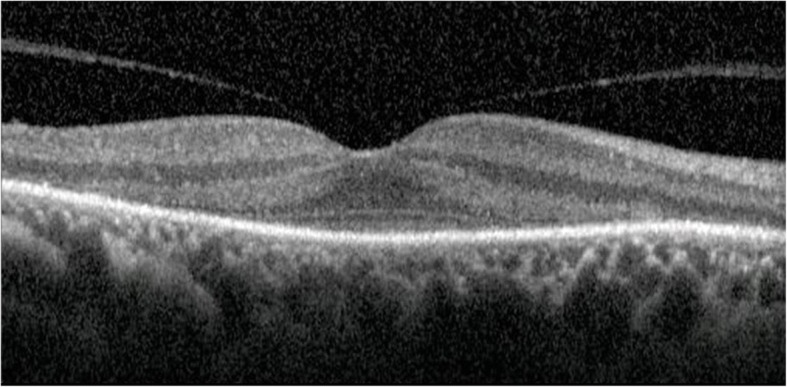
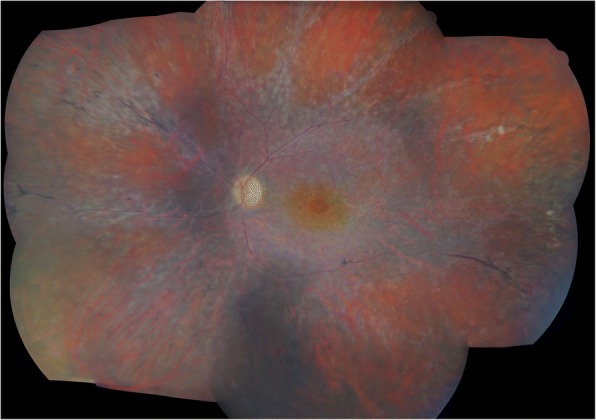
Results: Four patients (two men, two women, median age 65.5 years) were included. All patients presented with posterior segment inflammation at initial presentation as well as advanced visual field loss and an extinguished electroretinogram. The best corrected decimal visual acuity was 0.8 or better in both eyes of three patients and decreased to 0.3 OD and O.2 OS in one patient due to a bilateral macular edema. No patient had a previously known history of cancer. Once the diagnosis of CAR was made, investigations aimed at identifying a malignant tumors subsequently led to the diagnosis of two cases of small cell lung tumors, of one prostate carcinoma and of a uterine sarcoma. The treatment of CAR included plasmapheresis, systemic corticosteroids, azathioprine, cyclosporine and periocular or intraocular corticosteroid injections. In all cases the intraocular inflammation resolved, but pigment mottling, diffuse retinal atrophy, optic disc pallor and arterial narrowing were among manifestations observed during the follow-up of the patients.
Conclusion: In selected patients, findings suggestive of CAR can be useful for the early detection of a cancer.
Keywords: Cancer; Cancer-associated retinopathy; Paraneoplastic retinopathy; Uveitis.
Conflict of interest statement
Ethics approval and consent to participate
Approved in writing by the Ethics Committee of the French Society of Ophthalmology (IRB 00008855 Société Française d’Ophtalmologie IRB#1).
Consent for publication
Not applicable.
Competing interests
The authors declare that they have no competing interests.
Publisher’s Note
Springer Nature remains neutral with regard to jurisdictional claims in published maps and institutional affiliations.
Figures
References
-
- Scott CL, Cher LM, O’Day J. Cancer associated retinopathy and non-small cell lung cancer. J Clin Neurosci Off J Neurosurg Soc Australas. 1997;4:355–357. - PubMed
MeSH terms
LinkOut - more resources
Full Text Sources
Medical
