


Wearable Pulse Wave Monitoring System Based on MEMS Sensors
- PMID: 30393366
- PMCID: PMC6187337
- DOI: 10.3390/mi9020090
Wearable Pulse Wave Monitoring System Based on MEMS Sensors
Abstract
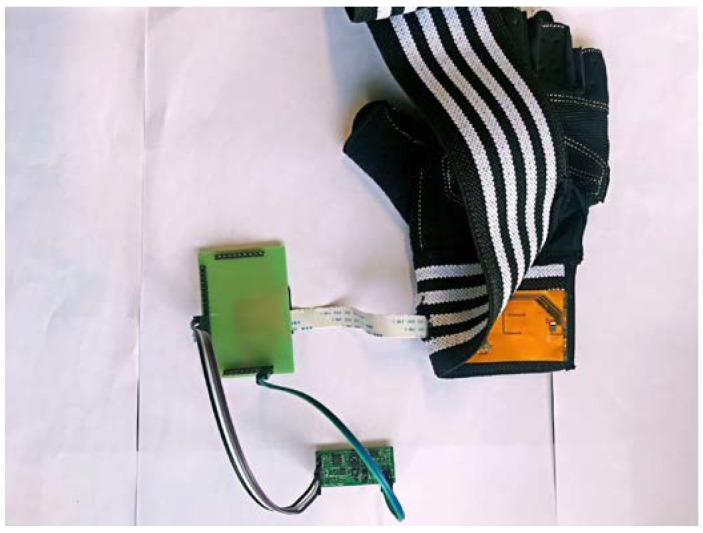
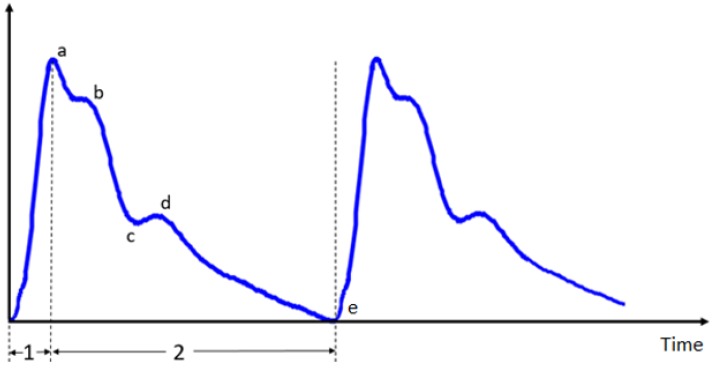
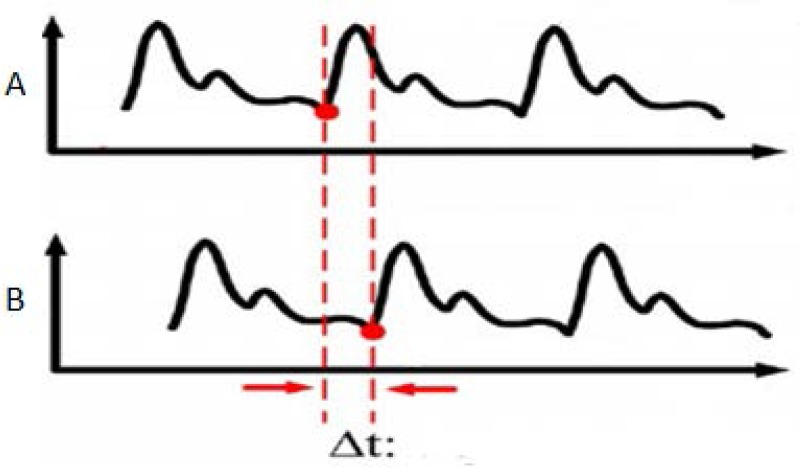
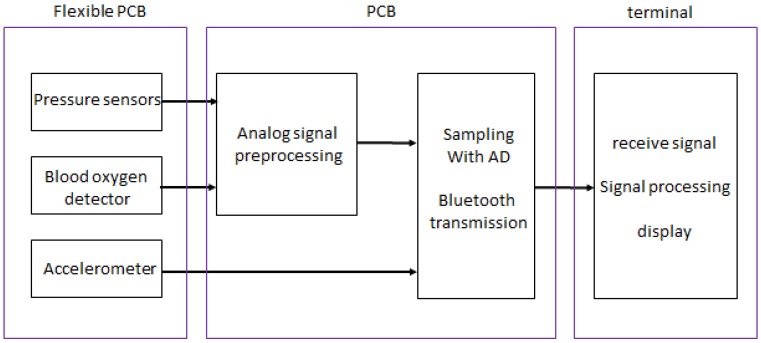
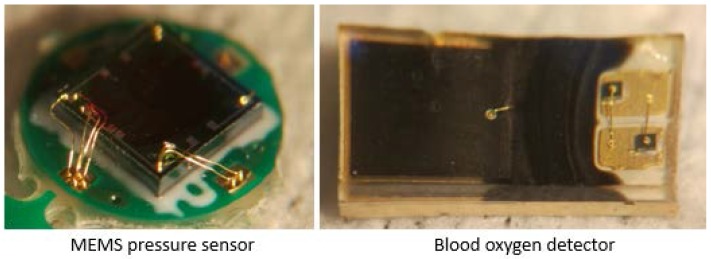
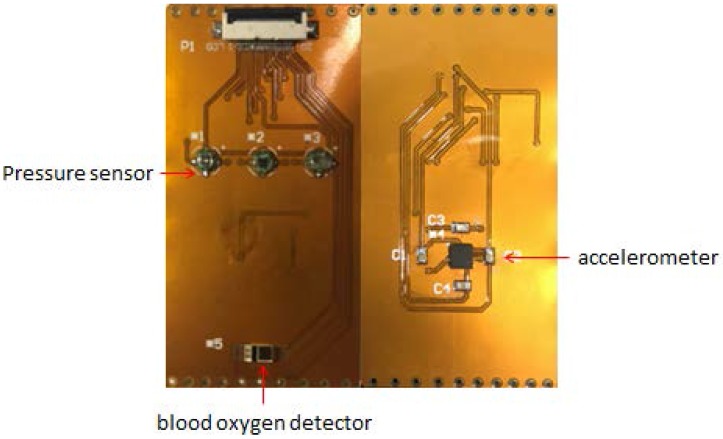
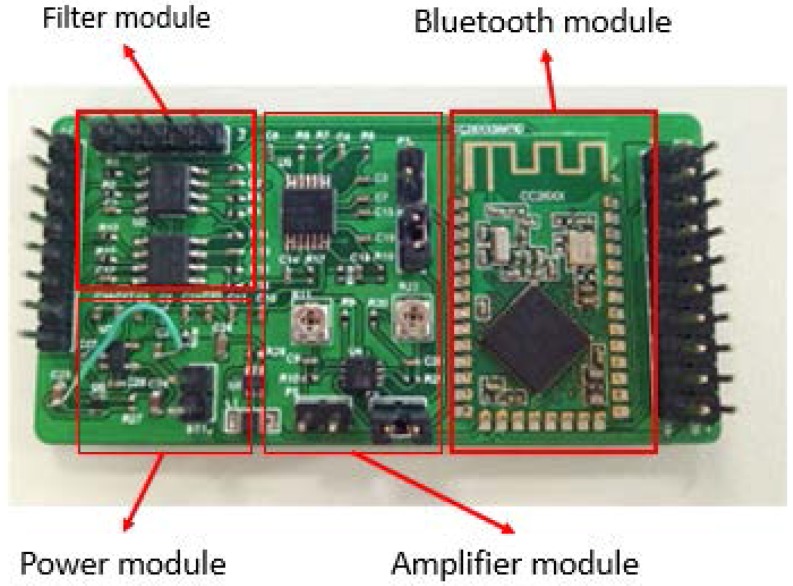
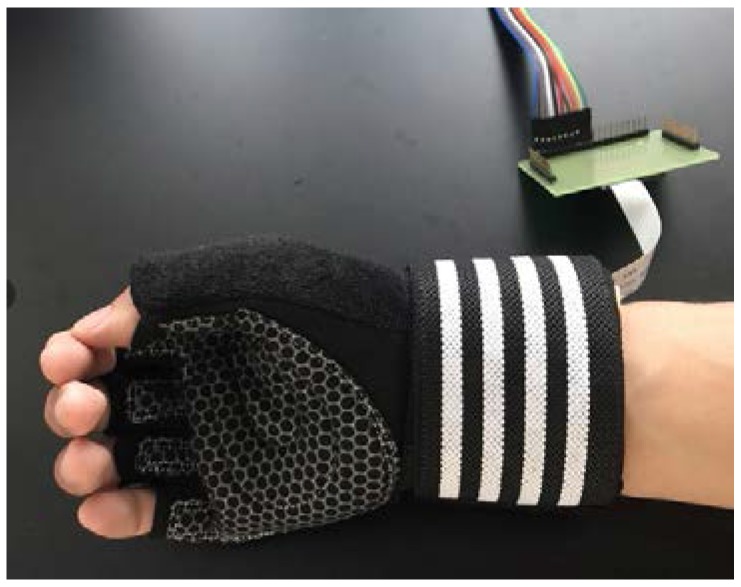
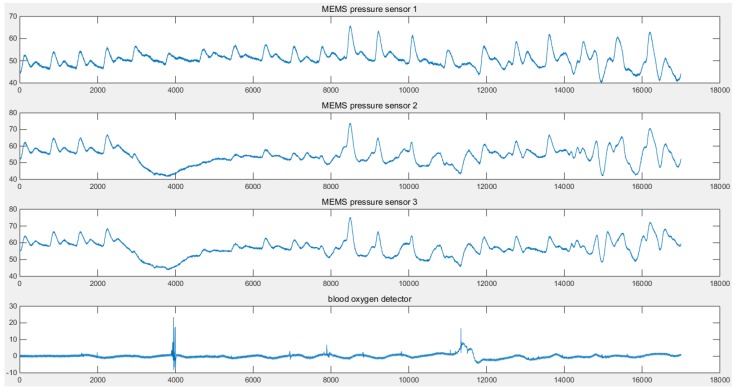
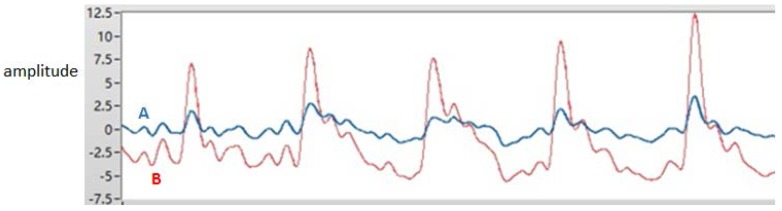
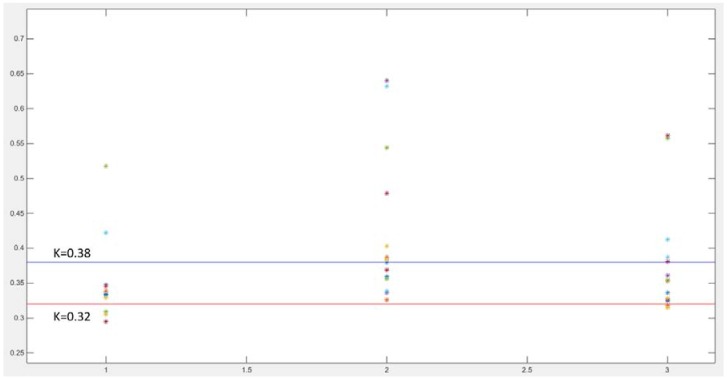
Pulse wave monitoring is critical for the evaluation of human health. In this paper, a wearable multi-sensor pulse wave monitoring system is proposed and demonstrated. The monitoring system consists of a measuring unit and an analog circuit processing unit. The main part of the measuring unit is a flexible printed circuit board (PCB) with a thickness of 0.15 mm, which includes three micro-electromechanical system (MEMS) pressure sensors softly packaged by polydimethylsiloxane (PDMS), a blood oxygen detector and a MEMS three-axis accelerometer. The MEMS pressure sensors,the blood oxygen detector and the accelerometer are fixed on the expected locations of the flexible PCB. The analog circuit processing unit includes a power supply module, a filter and an amplifier. The pulse waves of two volunteers are detected by the monitoring system in this study. The output signals of the analog circuit processing module are processed and analyzed. In the preliminary test, the time delay of the three pressure pulse waves has been detected and the calculated pulse wave velocities (PWVs) are 12.50 and 11.36 m/s, respectively. The K value, related to the area of the pulse wave, can be obtained. Both the PWV and K value meet the health parameter standards.
Keywords: MEMS sensor; pulse wave; signal processing; wearable device.
Conflict of interest statement
The authors declare no conflict of interest.
Figures
References
-
- O'Rourke M.F. Arterial Function in Health and Disease. Churchill Livingstone; New York, NY, USA: 1982.
-
- Lou Z., Zhang S., Yang W., Yang Z. A Research on Characteristic Information of Pulse Wave. J. Beijing Polytech. Univ. 1996;3:71–79.
Grants and funding
LinkOut - more resources
Full Text Sources
Other Literature Sources
