Review
. 2018 Aug 12;2018(3):31.
doi: 10.21542/gcsp.2018.31.

Implantable cardioverter-defibrillator in hypertrophic cardiomyopathy

Affiliations
Review

Implantable cardioverter-defibrillator in hypertrophic cardiomyopathy

Diego Jimenez Sanchez et al. Glob Cardiol Sci Pract. .

Abstract

Sudden cardiac death (SCD) is the most devastating complication in hypertrophic cardiomyopathy (HCM). The implantable cardioverter-defibrillator (ICD) has proven to be effective in SCD prevention in several clinical scenarios. In HCM population, it has demonstrated to successfully abort life-threatening ventricular arrhythmias despite the extreme morphology characteristic of HCM, often with massive degrees of left ventricular hypertrophy and/or LV outflow tract obstruction. Studies showed a high rate of appropriate intervention in secondary prevention and in primary prevention of patients considered at high risk. This appropriate intervention rate is even more significant considering the young and otherwise healthy patients that compose HCM population. Since SCD incidence in HCM is relatively low, optimal identification of patients at high risk is crucial. Classical strategy of risk stratification based on clinical risk factors has several limitations and has proven to overestimate risk. A new risk prediction model that provides individual 5-year estimated risk appears to be superior to traditional models based on bivariate risk factors. Perioperative complications seem to be similar to those related to the implant of other cardiac devices, while long-term complications have been traditionally in the spotlight. HCM patients are considered more vulnerable to ICD-related complications and inappropriate ICD therapy because of their young age at implant and increased prevalence of atrial fibrillation, but long-term follow-up data on ICD-related complications in general practice is limited. The subcutaneous implantable cardioverter defibrillator seems to be a safe and effective alternative in HCM, although long-term data are scarce.


Figures
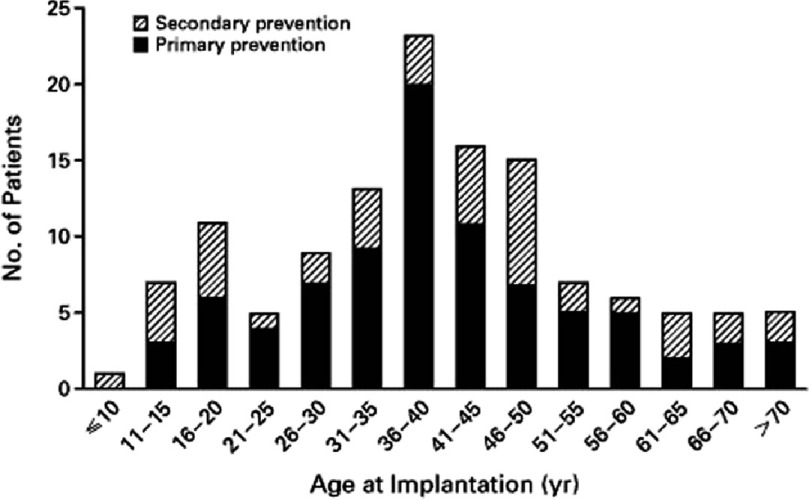
Figure 1.
Figure 1.. Age at the time of implantation of a defibrillator in 128 patients with hypertrophic cardiomyopathy who were judged to be at high risk for sudden death.
Figure 2.
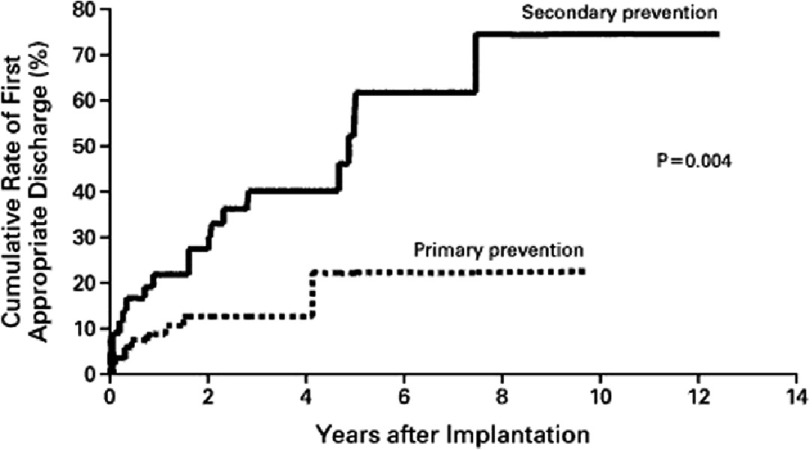
Figure 2.. Estimated cumulative rates of first appropriate discharges, calculated separately for the 85 patients with defibrillators for primary prevention and the 43 patients with defibrillators for secondary prevention.
Figure 3.
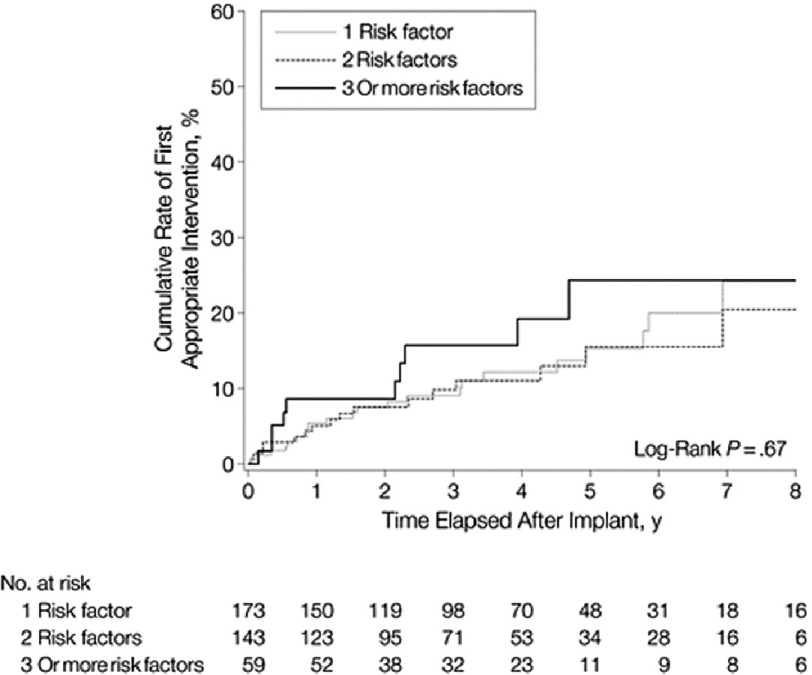
Figure 3.. Cumulative rates for first appropriate implantable defibrillator intervention in patients with 1, 2, or 3 or more risk factors who had received devices for primary prevention.
Figure 4.
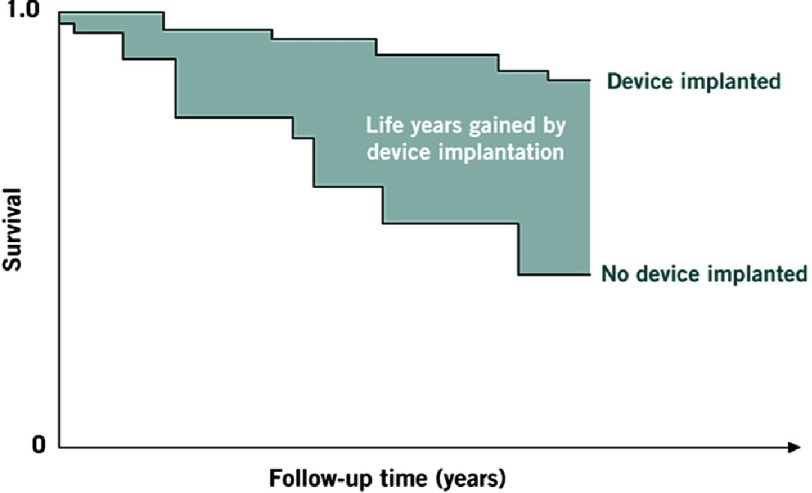
Figure 4.. Life-years gained and survival curves.
Number of lifeyears gained by device implantation is equal to area between Kaplan-Meier survival curves. As follow-up time increases, more area is revealed.
Figure 5.
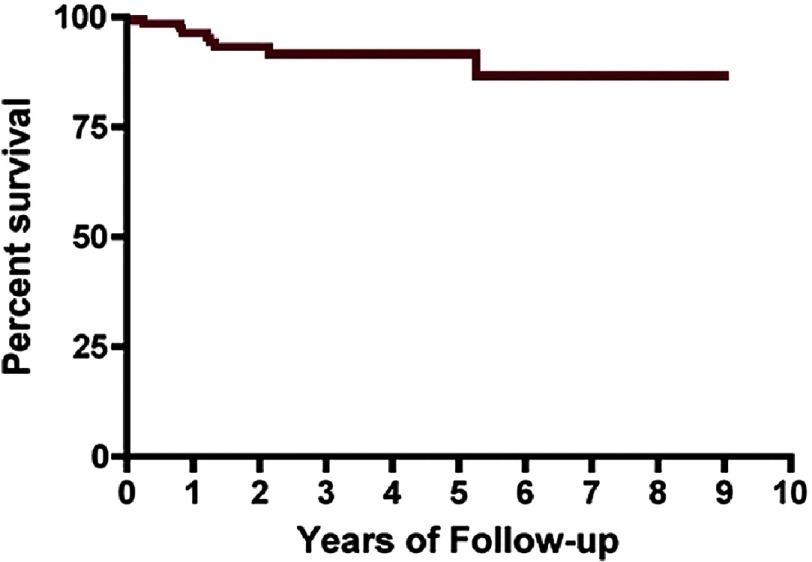
Figure 5.. Kaplan–Meier curve for shock-free survival in patients after alcohol septal ablation.
Figure 6.
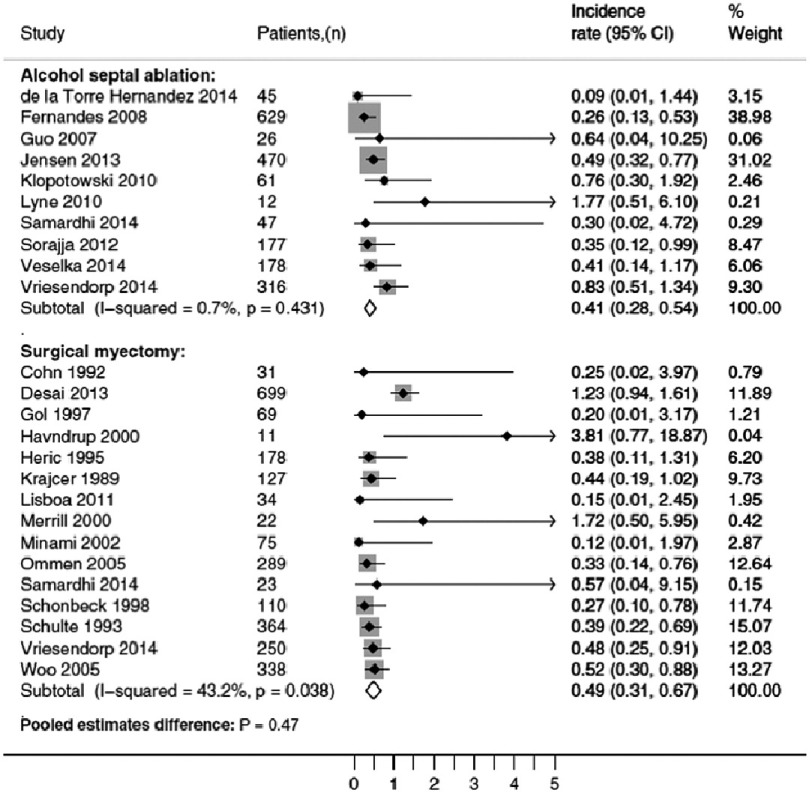
Figure 6.. Forest plots and pooled estimates of (aborted) SCD rates after alcohol septal ablation and surgical myectomy, including ICD shocks.
Figure 7.
Figure 7.
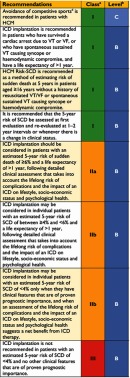
Recommendations on prevention of sudden cardiac death.
Figure 8.
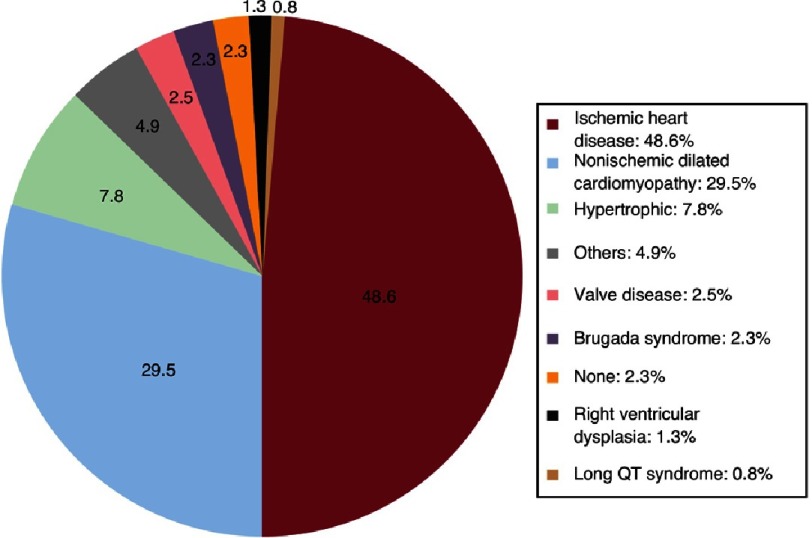
Figure 8.. Types of heart disease prompting implantation (first implantations, sole diagnosis).
Figure 9.
Figure 9.
Figure 10.
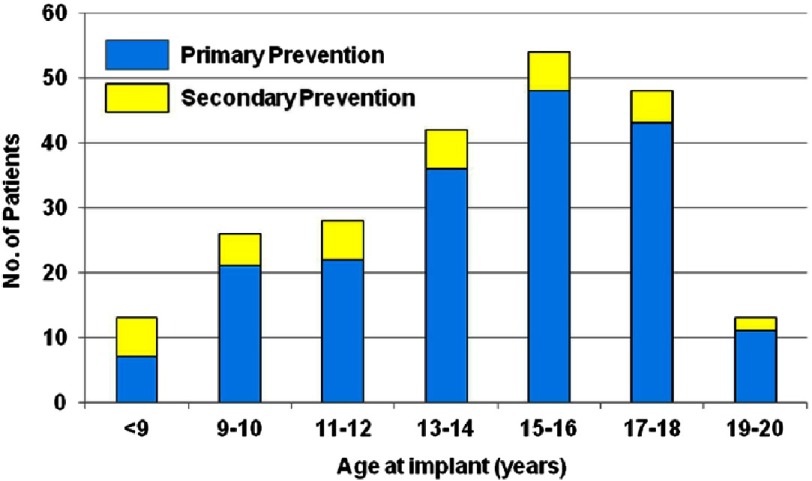
Figure 10.. Patient age at defibrillator implantation.
Shown for 224 pediatric patients with hypertrophic cardiomyopathy judged at high risk for sudden death who underwent implantation for primary or secondary prevention
Figure 11.
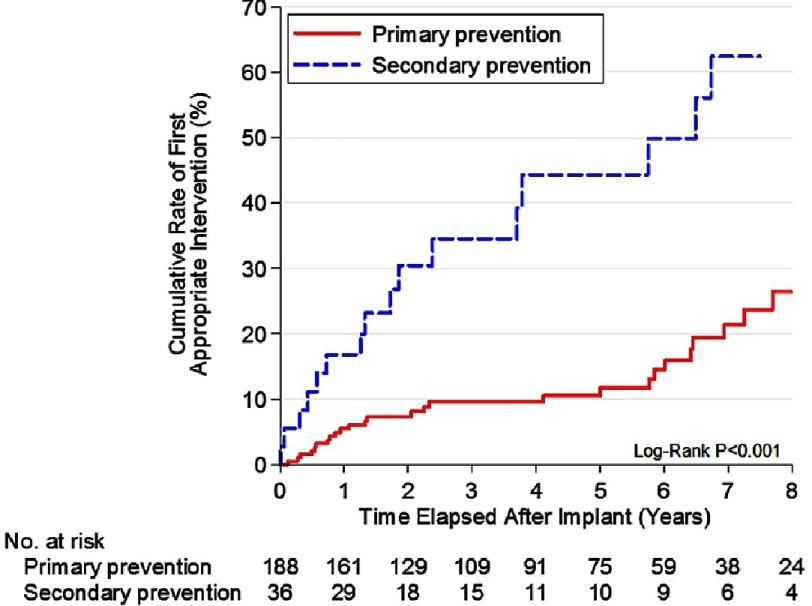
Figure 11.. ICD intervention rates.
Cumulative rates for first appropriate implantable cardioverter-defibrillator (ICD) intervention, shown separately for patients who underwent implantation for primary (n = 188) or secondary (n = 36) prevention. The rate of first appropriate ICD shock for secondary prevention exceeded that for primary prevention by 4-fold.
Figure 12.
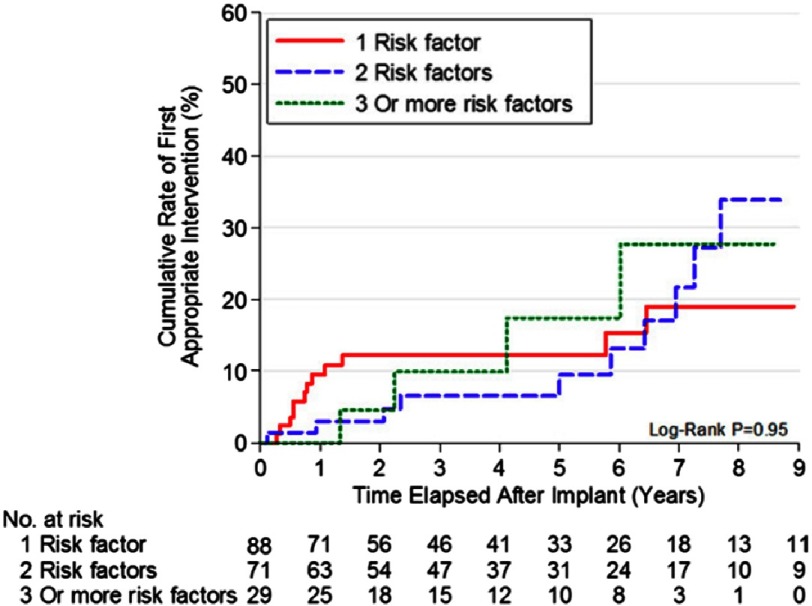
Figure 12.. Number of sudden death risk factors and ICD interventions.
Figure 13.
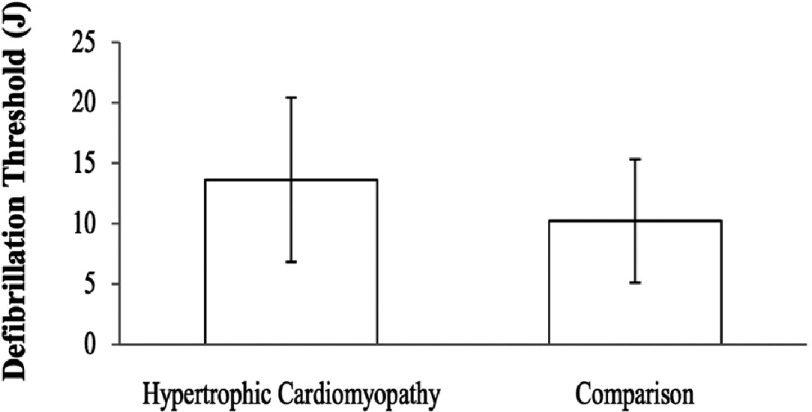
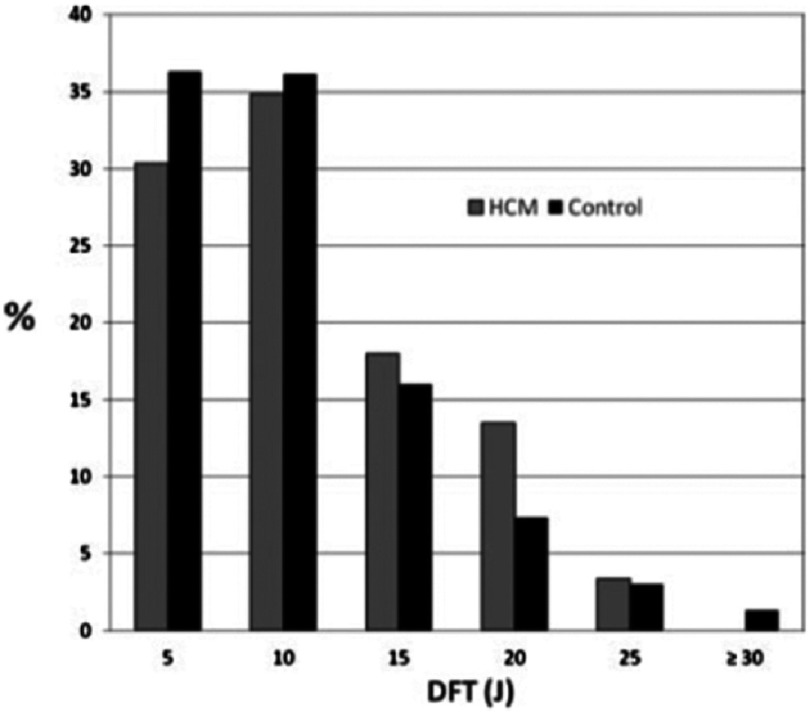
Figure 13.. Average DFT was 13.6 ± 6.9 J in the HCM patients and 10.2 ± 5.5 J in the comparison group.
The DFT difference was statistically significant ( p = 0.0037).
Figure 14.
Figure 14.. Comparison of defibrillation threshold (DFT) between control and hypertrophic cardiomyopathy (HCM) groups.
Bars represent the percentage of patients in each group with DFT in the ranges shown.
Figure 15.
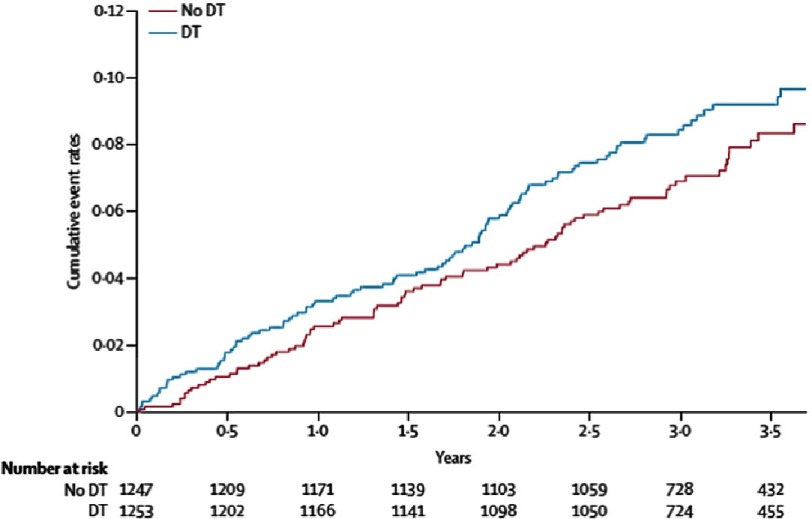
Figure 15.. Failed appropriate shock or arrhythmic death.
DT, debfibrillation testing. Mortality curve was constructed with the Kaplan–Meier method.
Figure 16.
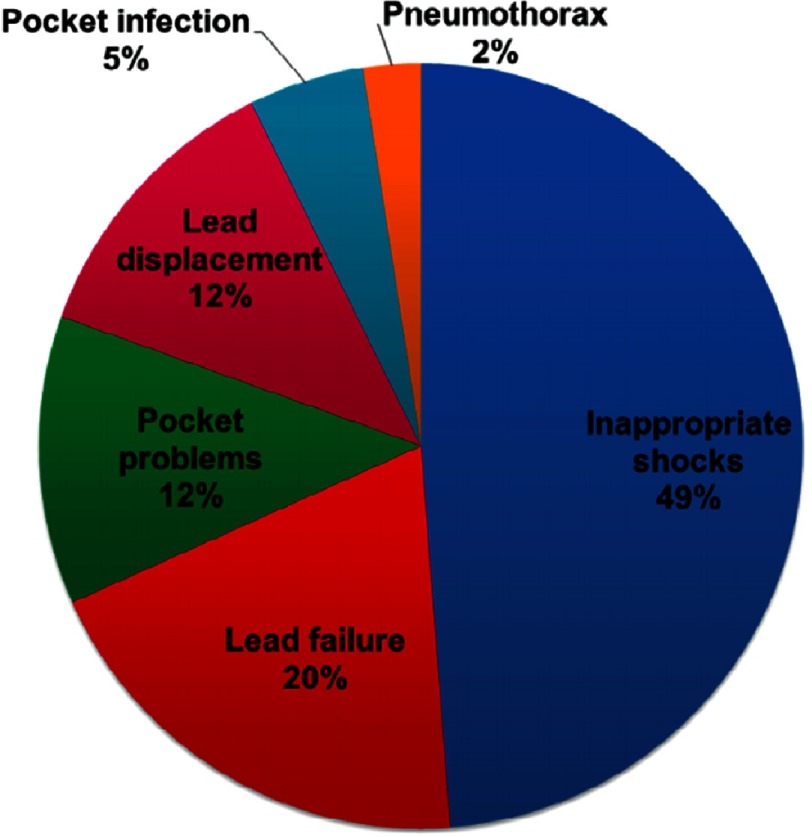
Figure 16.. Distribution of adverse events in 134 HCM patients with an ICD.
Figure 17.
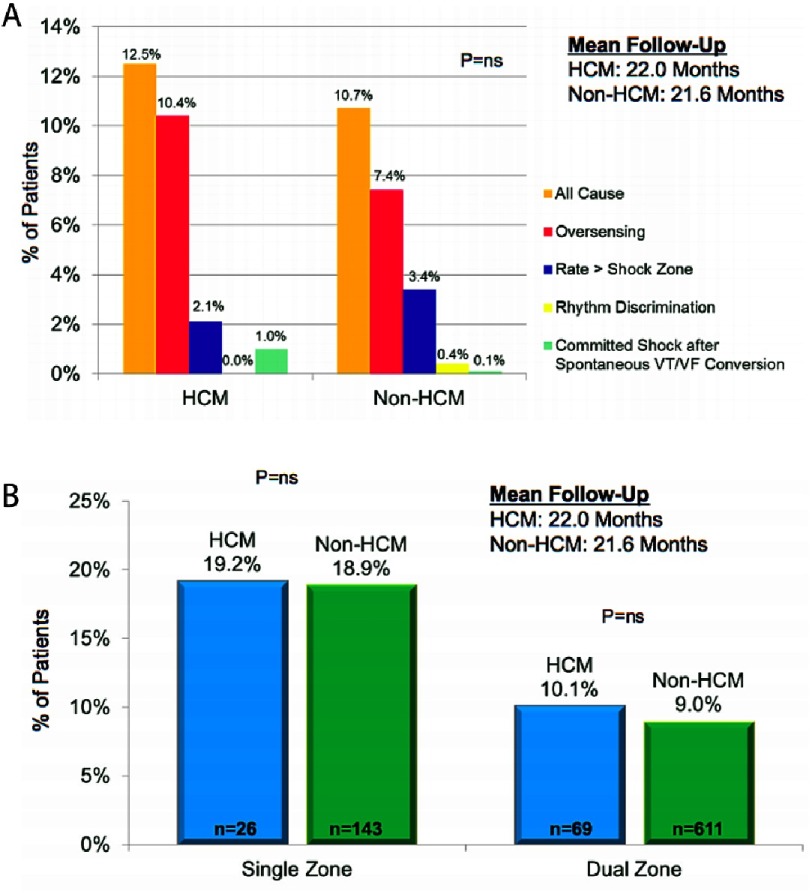
Figure 17.. (A) Burden and aetiology of inappropriate shocks in the 2 groups.
(Subcategories do not sum to the “All Cause” total because some patients had inappropriate shocks in more than one category). (B) Incidence of inappropriate shocks with dual and single zone programming (by patients).
Figure 18.
Figure 18.

References

    1. Maron BJ. Hypertrophic cardiomyopathy. Lancet. 1997;350:127–33. [Erratum, Lancet 350 (1997) 1330] - PubMed
    1. Wigle ED, Rakowski H, Kimball BP, Williams WG. Hypertrophic cardiomyopathy: clinical spectrum and treatment. Circulation. 1995;92:1680–92. - PubMed
    1. Spirito P, Seidman CE, McKenna WJ, Maron BJ. The management of hypertrophic cardiomyopathy. N Engl J Med. 1997;336:775–85. - PubMed
    1. Maron BJ. Hypertrophic cardiomyopathy. Circulation. 2002;106:2419–21. - PubMed
    1. Maron BJ. Sudden death in young athletes. N Engl J Med. 2003;349:1064–75. - PubMed

LinkOut - more resources