


The Third French Individual and National Food Consumption (INCA3) Survey 2014-2015: method, design and participation rate in the framework of a European harmonization process
- PMID: 30394264
- PMCID: PMC10260437
- DOI: 10.1017/S1368980018002896
The Third French Individual and National Food Consumption (INCA3) Survey 2014-2015: method, design and participation rate in the framework of a European harmonization process
Abstract
Objective: Assessing dietary exposure or nutrient intakes requires detailed dietary data. These data are collected in France by the cross-sectional Individual and National Studies on Food Consumption (INCA). In 2014-2015, the third survey (INCA3) was launched in the framework of the European harmonization process which introduced major methodological changes. The present paper describes the design of the INCA3 survey, its participation rate and the quality of its dietary data, and discusses the lessons learned from the methodological adaptations.
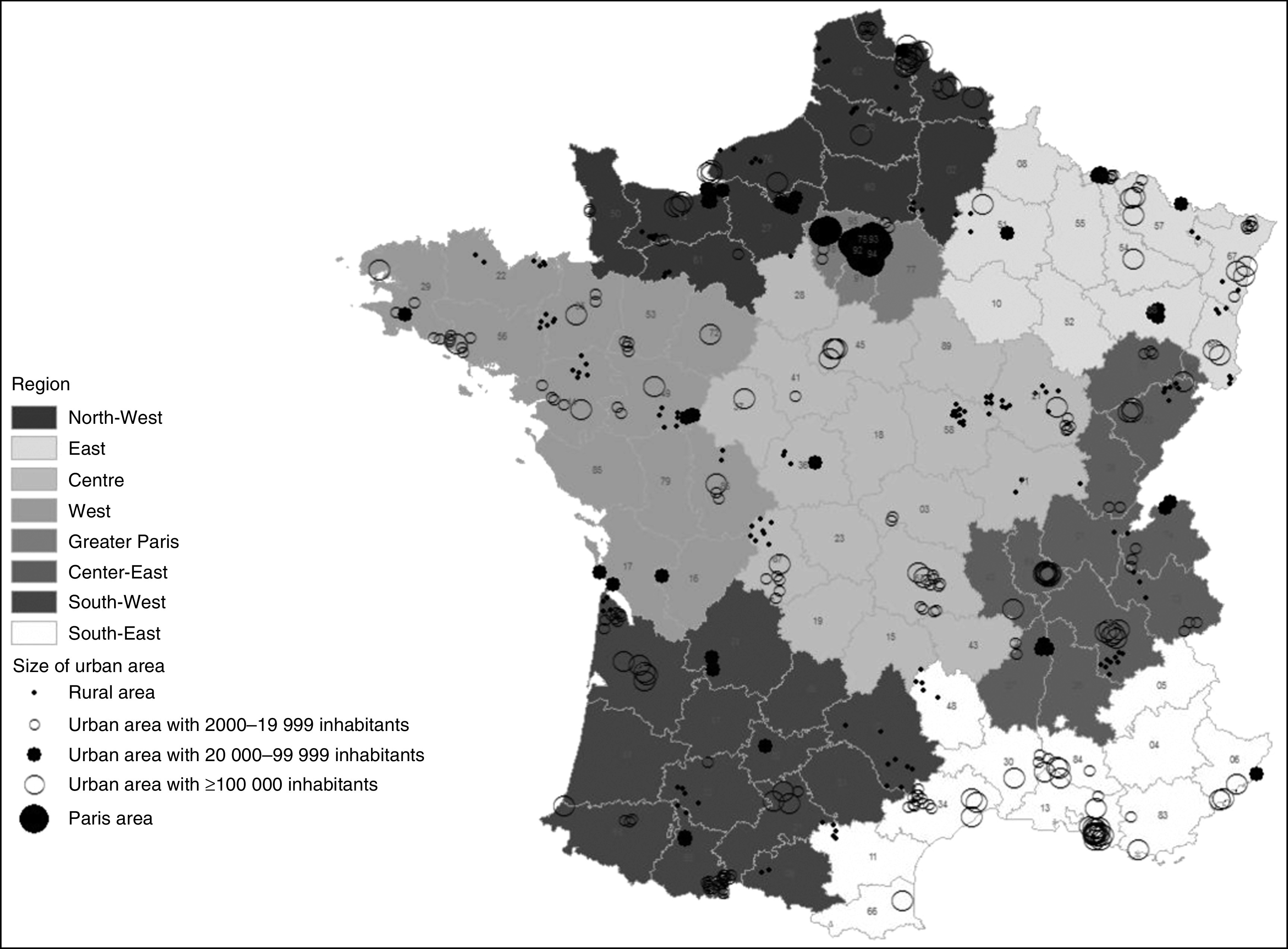
Design: Two representative samples of adults (18-79 years old) and children (0-17 years old) living in mainland France were selected following a three-stage stratified random sampling method using the national census database.
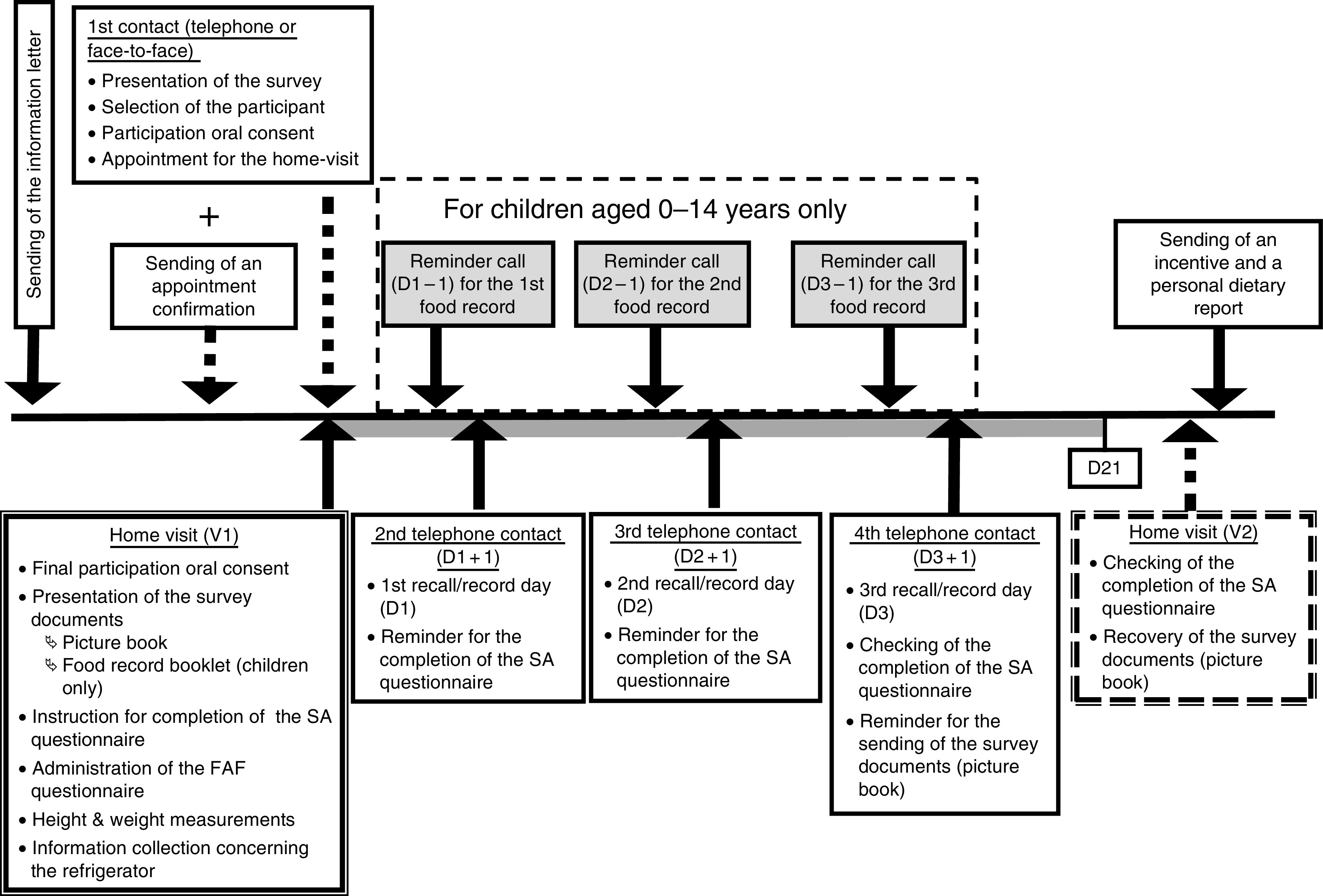
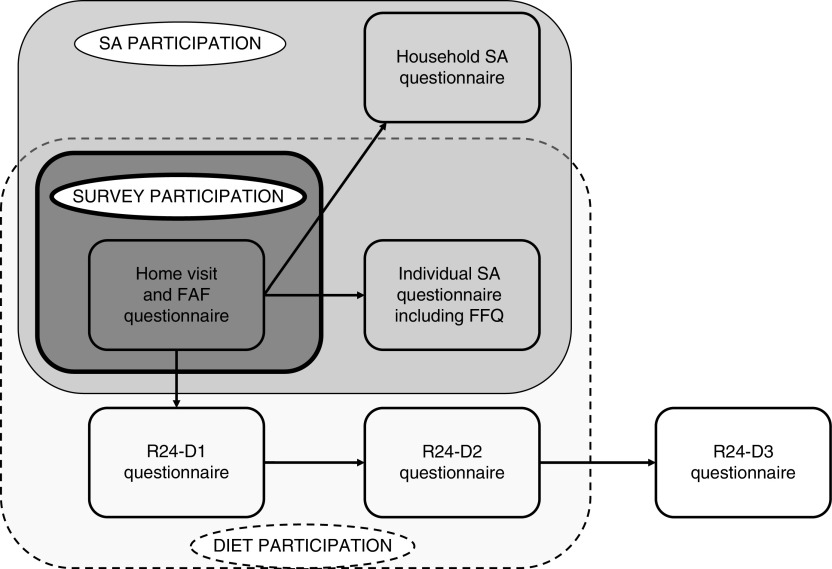
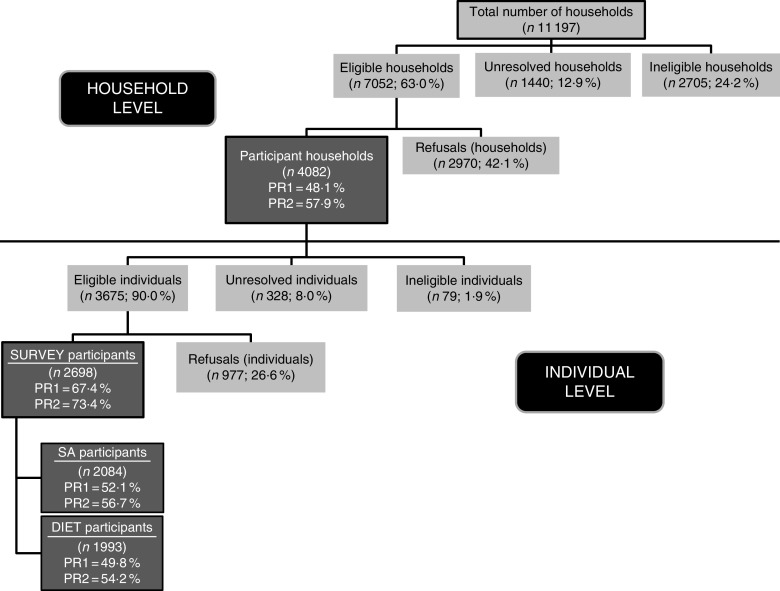
Setting: Food consumption was collected through three non-consecutive 24 h recalls (15-79 years old) or records (0-14 years old), supplemented by an FFQ. Information on food supplement use, eating habits, physical activity and sedentary behaviours, health status and sociodemographic characteristics were gathered by questionnaires. Height and body weight were measured.ParticipantsIn total, 4114 individuals (2121 adults, 1993 children) completed the whole protocol.
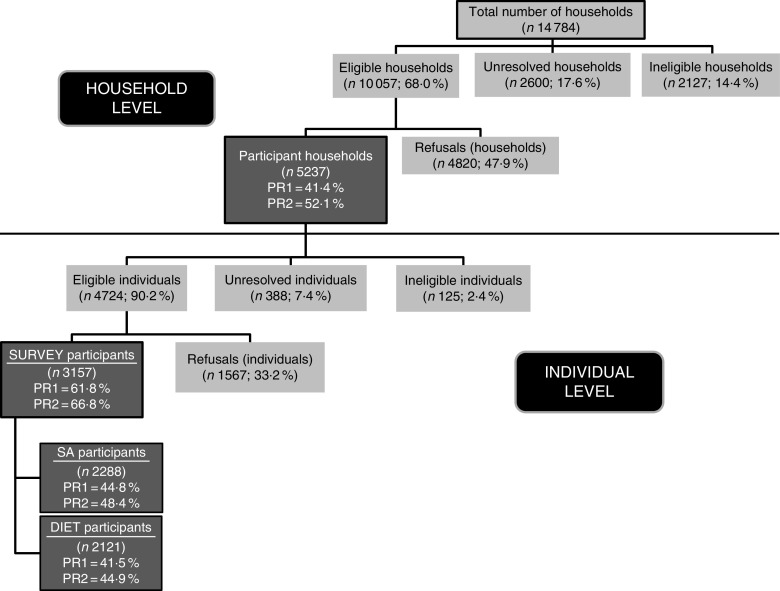
Results: Participation rate was 41·5% for adults and 49·8% for children. Mean energy intake was estimated as 8795 kJ/d (2102 kcal/d) in adults and 7222 kJ/d (1726 kcal/d) in children and the rate of energy intake under-reporters was 17·8 and 13·9%, respectively.
Conclusions: Following the European guidelines, the INCA3 survey collected detailed dietary data useful for food-related and nutritional risk assessments at national and European level. The impact of the methodological changes on the participation rate should be further studied.
Keywords: Dietary quality; Energy under-reporting; European methodology harmonization; Food consumption survey; INCA3 survey; Participation rates; Survey design.
Figures
References
-
- Volatier J-L (2000) Enquête INCA individuelle et nationale sur les consommations alimentaires. Paris: Tec & Doc.
-
- Agence française de sécurité sanitaire de l’alimentation (2009) Etude individuelle nationale des consommations alimentaires (INCA 2) (2006–2007). Report no. 978-2-11-097789-2. Maisons-Alfort: AFSSA.
-
- Dubuisson C, Lioret S, Touvier M et al.. (2010) Trends in food and nutritional intakes of French adults from 1999 to 2007: results from the INCA surveys. Br J Nutr 103, 1035–1048. - PubMed
-
- Lioret S, Dubuisson C, Dufour A et al.. (2010) Trends in food intake in French children from 1999 to 2007: results from the INCA (etude Individuelle Nationale des Consommations Alimentaires) dietary surveys. Br J Nutr 103, 585–601. - PubMed
-
- Agence nationale de sécurité sanitaire de l’alimentation de l’environnement et du travail (2017) Étude individuelle nationale des consommations alimentaires 3 (INCA 3). Report no. 979-10-286-0170. Maisons-Alfort: ANSES.
Publication types
MeSH terms
LinkOut - more resources
Full Text Sources
