


Recent progress in the emerging role of exosome in hepatocellular carcinoma
- PMID: 30397975
- PMCID: PMC6496614
- DOI: 10.1111/cpr.12541
Recent progress in the emerging role of exosome in hepatocellular carcinoma
Abstract
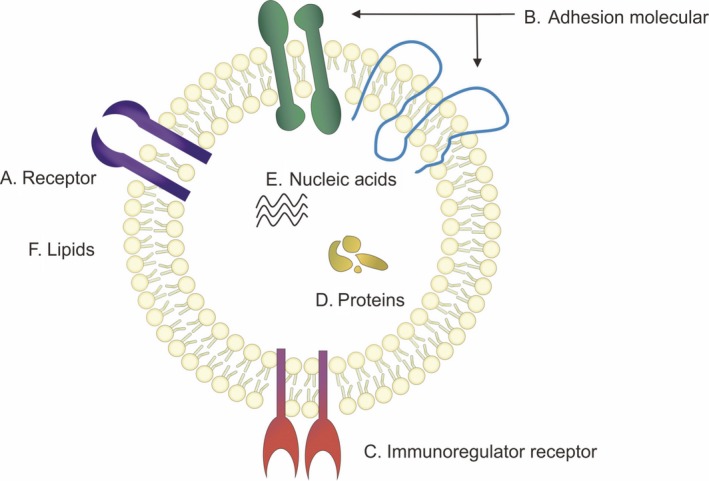
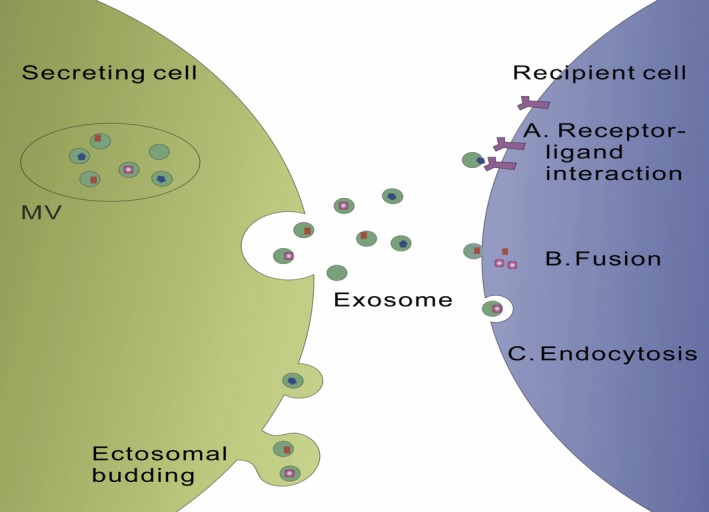
Exosomes are small membrane vesicles 50-150 nm in diameter released by a variety of cells, which contain miRNAs, mRNAs and proteins with the potential to regulate signalling pathways in recipient cells. Exosomes deliver nucleic acids and proteins to participate in orchestrating cell-cell communication and microenvironment modulation. In this review, we summarize recent progress in our understanding of the role of exosomes in hepatocellular carcinoma (HCC). This review focuses on recent studies on HCC exosomes, considering biogenesis, cargo and their effects on the development and progression of HCC, including chemoresistance, epithelial-mesenchymal transition, angiogenesis, metastasis and immune response. Finally, we discuss the clinical application of exosomes as a therapeutic agent for HCC.
Keywords: carcinogenesis; exosomes; hepatocellular carcinoma; tumour microenvironment.
© 2018 The Authors. Cell Proliferation Published by John Wiley & Sons Ltd.
Conflict of interest statement
The authors declare no conflict of interest.
Figures

References
-
- Morelli AE, Larregina AT, Shufesky WJ, et al. Endocytosis, intracellular sorting, and processing of exosomes by dendritic cells. Blood. 2004;104(10):3257‐3266. - PubMed
-
- Moris D, Beal EW, Chakedis J, et al. Role of exosomes in treatment of hepatocellular carcinoma. Surg Oncol. 2017;26(3):219‐228. - PubMed
Publication types
MeSH terms
Grants and funding
LinkOut - more resources
Full Text Sources
Medical
