


Ketogenic diets for drug-resistant epilepsy
- PMID: 30403286
- PMCID: PMC6517043
- DOI: 10.1002/14651858.CD001903.pub4
Ketogenic diets for drug-resistant epilepsy
Update in
-
Ketogenic diets for drug-resistant epilepsy.Cochrane Database Syst Rev. 2020 Jun 24;6(6):CD001903. doi: 10.1002/14651858.CD001903.pub5. Cochrane Database Syst Rev. 2020. PMID: 32588435 Free PMC article.
Abstract
Background: Ketogenic diets (KDs), being high in fat and low in carbohydrates, have been suggested to reduce seizure frequency in people with epilepsy. At present, such diets are mainly recommended for children who continue to have seizures despite treatment with antiepileptic drugs (AEDs) (drug-resistant epilepsy). Recently, there has been interest in less restrictive KDs, including the modified Atkins diet (MAD), and the use of these diets has extended into adult practice. This is an update of a review first published in 2003 and last updated in 2016.
Objectives: To assess the effects of KDs for drug-resistant epilepsy by reviewing the evidence from randomised controlled trials.
Search methods: For the latest update we searched the Cochrane Epilepsy Group's Specialized Register (11 April 2017), the Cochrane Central Register of Controlled Trials (CENTRAL) via the Cochrane Register of Studies Online (CRSO, 11 April 2017), MEDLINE (Ovid, 11 April 2017), ClinicalTrials.gov (11 April 2017) and the WHO International Clinical Trials Registry Platform (ICTRP, 11 April 2017). We imposed no language restrictions. We checked the reference lists of retrieved studies for additional reports of relevant studies.
Selection criteria: Randomised controlled trials or quasi-randomised controlled trials of ketogenic diets for people with drug-resistant epilepsy.
Data collection and analysis: Two review authors independently applied predefined criteria to extract data and assessed study quality.
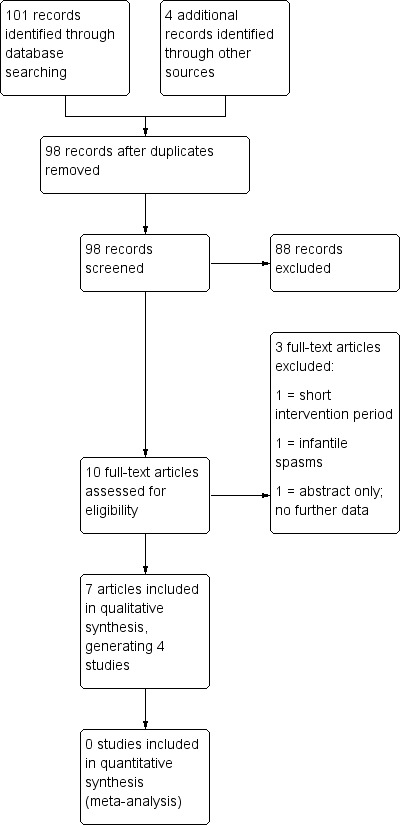
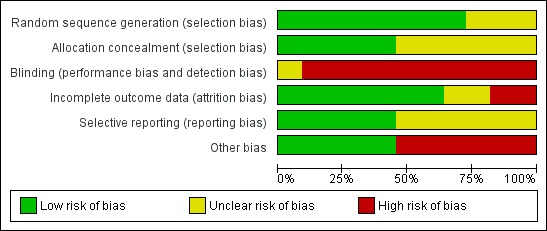
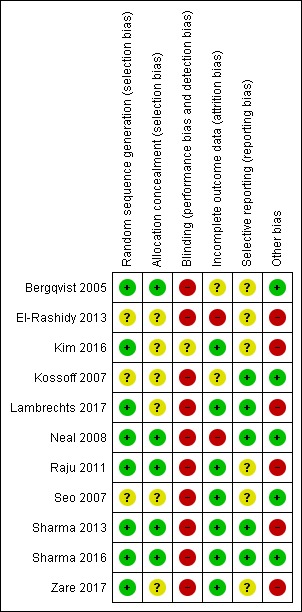
Main results: We identified 11 randomised controlled trials (RCTs) that generated 15 publications.All trials applied an intention-to-treat analysis with varied randomisation methods. The 11 studies recruited 778 patients; 712 children and adolescents and 66 adults. We assessed all 11 studies to be at low to unclear risk of bias for the following domains: random sequence generation, allocation concealment and selective reporting. For the other domains (blinding, incomplete outcome data, other bias) assessments were varied (low, unclear and high risk of bias). We could not conduct a meta-analysis due to the heterogeneity of the studies and the quality of the evidence was low to very low (GRADE ratings).Reported rates of seizure freedom reached as high as 55% in a classical 4:1 KD group after three months and reported rates of seizure reduction reached as high as 85% in a classical 4:1 KD group after three months (GRADE rating low).One trial found no significant difference between the fasting-onset and gradual-onset KD for rates of seizure freedom, and reported a greater rate of seizure reduction in the gradual-onset KD group.Studies assessing the efficacy of the MAD reported seizure freedom rates of up to 25% and seizure reduction rates of up to 60% in children. One study used a simplified MAD (sMAD) and reported seizure freedom rates of 15% and seizure reduction rates of 56% in children. One study utilised a MAD in adults and reported seizure reduction rates of 35%, but no patients became seizure free (GRADE rating low).Adverse effects of the dietary interventions were experienced in all studies. The most commonly reported adverse effects were gastrointestinal syndromes. It was common that adverse effects were the reason for participants dropping out of trials (GRADE rating low). Other reasons for dropout included lack of efficacy and non-acceptance of the diet (GRADE rating low).Although there was some evidence for greater antiepileptic efficacy for a classical 4:1 KD over lower ratios, the classical 4:1 KD was consistently associated with more adverse effects.One study assessed the effect of dietary interventions on quality of life, cognition and behavioural functioning, reporting participants in the KD group to be more active, more productive and less anxious after four months, compared to the control group. However, no significant difference was found in quality-adjusted life years (QALYs) between the KD group and control group at four or 16 months (GRADE rating very low).
Authors' conclusions: The RCTs discussed in this review show promising results for the use of KDs in epilepsy. However, the limited number of studies, small sample sizes and the limited studies in adults, resulted in a low to very low overall quality of evidence.There were adverse effects within all of the studies and for all KD variations, such as short-term gastrointestinal-related disturbances and increased cholesterol. However, study periods were short, therefore the long-term risks associated with these adverse effects is unknown. Attrition rates remained a problem with all KDs and across all studies; reasons for this being lack of observed efficacy and dietary tolerance.Only one study reported the use of KDs in adults with epilepsy; therefore further research would be of benefit.Other more palatable but related diets, such as the MAD, may have a similar effect on seizure control as the classical KD, but this assumption requires more investigation. For people who have medically intractable epilepsy or people who are not suitable for surgical intervention, KDs remain a valid option; however, further research is required.
Conflict of interest statement
KM: receives PhD funding from Vitaflo (International) Ltd. However, Vitaflo did not contribute to or influence this review.
CJ: none known
RB: none known
RL: none known
PC: none known
Figures
Update of
-
Ketogenic diet and other dietary treatments for epilepsy.Cochrane Database Syst Rev. 2016 Feb 9;2:CD001903. doi: 10.1002/14651858.CD001903.pub3. Cochrane Database Syst Rev. 2016. Update in: Cochrane Database Syst Rev. 2018 Nov 07;11:CD001903. doi: 10.1002/14651858.CD001903.pub4. PMID: 26859528 Updated.
References
References to studies included in this review
Bergqvist 2005 {published data only}
-
- Bergqvist AG, Schall JI, Gallagher PR, Cnaan A, Stallings VA. Fasting versus gradual initiation of the ketogenic diet: a prospective, randomized clinical trial of efficacy. Epilepsia 2005;46(11):1810‐9. - PubMed
El‐Rashidy 2013 {published data only}
-
- El‐Rashidy OF, Nassar MF, Abde‐Hamid IA, Shatla RH, Abdel‐Hamid HM, Gabr SS, et al. Modified Atkins diet vs classic ketogenic formula in intractable epilepsy. Acta Neurologica Scandinavica 2013;128(6):402‐8. - PubMed
Kim 2016 {published data only}
-
- Kim JA, Yoon JR, Lee EJ, Lee JS, Kim JT, Kim HD, et al. Efficacy of the classic ketogenic and the modified Atkins diets in refractory childhood epilepsy. Epilepsia 2016;57(1):51‐8. - PubMed
Kossoff 2007 {published data only}
-
- Kossoff EH, Turner Z, Bluml RM, Pyzik PL, Vining EP. A randomized, crossover comparison of daily carbohydrate limits using the modified Atkins diet. Epilepsy & Behavior 2007;10(3):432‐6. - PubMed
Lambrechts 2017 {published data only}
-
- IJff DM, Postulart D, Lambrechts DA, Majoie MH, Kinderen RJ, Hendriksen JG, et al. Cognitive and behavioral impact of the ketogenic diet in children and adolescents with refractory epilepsy: a randomized controlled trial. Epilepsy & Behavior 2016;60:153‐7. - PubMed
-
- Kinderen RJ, Lambrechts DA, Wijnen BF, Postulart D, Aldenkamp AP, Majoie MH, et al. An economic evaluation of the ketogenic diet versus care as usual in children and adolescents with intractable epilepsy: an interim analysis. Epilepsia 2016;57(1):41‐50. - PubMed
-
- Lambrechts DA, Kinderen RJ, Vles JS, Louw AJ, Aldenkamp AP, Majoie HJ. A randomized controlled trial of the ketogenic diet in refractory childhood epilepsy. Acta Neurologica Scandinavica 2017;135(2):231‐9. - PubMed
-
- Wijnen BF, Kinderen RJ, Lambrechts DA, Postulart D, Aldenkamp AP, Majoie MH, et al. Long‐term clinical outcomes and economic evaluation of the ketogenic diet versus care as usual in children and adolescents with intractable epilepsy. Epilepsy Research 2017;132:91‐9. - PubMed
Neal 2008 {published data only}
-
- Neal EG, Chaffe H, Schwartz RH, Lawson MS, Edwards N, Fitzsimmons G, et al. A randomised trial of classical and medium‐chain triglyceride ketogenic diets in the treatment of childhood epilepsy. Epilepsia 2009;50(5):1109‐17. - PubMed
-
- Neal EG, Chaffe H, Schwartz RH, Lawson MS, Edwards N, Fitzsimmons G, et al. The ketogenic diet for the treatment of childhood epilepsy: a randomised controlled trial. Lancet Neurology 2008;7(6):500‐6. - PubMed
Raju 2011 {published data only}
-
- Raju KNV, Gulati S, Kabra M, Agarwala A, Sharma S, Pandey RM, et al. Efficacy of 4:1 (classic) versus 2.5:1 ketogenic ratio diets in refractory epilepsy in young children: a randomized open labeled study. Epilepsy Research 2011;96(1‐2):96‐100. - PubMed
Seo 2007 {published data only}
-
- Seo JH, Lee YM, Lee JS, Kang HC, Kim HC. Efficacy and tolerability of the ketogenic diet according to lipid: nonlipid ratios ‐ comparison of 3:1 with 4:1 diet. Epilepsia 2007;48(4):801‐5. - PubMed
Sharma 2013 {published data only}
-
- Sharma S, Sankhyan N, Gulati S, Agarwala A. Use of the modified Atkins diet for treatment of refractory childhood epilepsy: a randomized controlled trial. Epilepsia 2013;54(3):481‐6. - PubMed
Sharma 2016 {published data only}
-
- Sharma S, Goel S, Jain P, Agarwala A, Aneja S. Evaluation of a simplified modified Atkins diet for use by parents with low levels of literacy in children with refractory epilepsy: A randomized controlled trial. Epilepsy Research 2016;127:152‐9. - PubMed
References to studies excluded from this review
Dressler 2015 {published data only}
-
- Dressler A, Trimmel‐Schwahofer P, Reithofer E, Groppel G, Muhlebner A, et al. The ketogenic diet versus ACTH in the treatment of infantile spasms: A prospective randomised study. European Journal of Paeditatic Neurology 2015;19S:S1‐S152.
Freeman 1999 {published data only}
-
- Freeman JM, Vining EP. Seizures decrease rapidly after fasting: preliminary studies of the ketogenic diet. Archives of Pediatric and Adolescent Medicine 1999;153(9):946‐9. - PubMed
Freeman 2009 {published data only}
-
- Freeman J, Vining E, Kossoff E, Pyzik P, Ye X, Goodman S. A blinded, crossover study of the efficacy of the ketogenic diet. Epilepsia 2009;50(2):322‐5. - PubMed
Hemingway 2001 {published data only}
-
- Hemingway C, Freeman JM, Pillas DJ, Pyzik PL. The ketogenic diet: a 3‐ to 6‐year follow‐up of 150 children enrolled prospectively. Pediatrics 2001;108(4):898‐905. - PubMed
Kang 2011 {published data only}
-
- Kang HC, Lee YJ, Lee JS, Lee EJ, Eom S, You SJ, et al. Comparison of short‐ versus long‐term ketogenic diet for intractable infantile spasms. Epilepsia 2011;52(4):781‐7. - PubMed
Singh 2015 {published data only}
-
- Singh MK, Gulati S, Aggarwal A, Chakrabarty B, Pandey RM, Tripathi M. Efficacy of modified Atkins diet versus ketogenic diet in children with refractory epilepsy aged 1 year to 18 years: A randomised controlled trial. Epilepsia 2015;56(Suppl 1):245.
Smith 2011 {published data only}
-
- Smith M, Politzer N, Macgarvie D, McAndrews MP, Campo M. Efficacy and tolerability of the Modified Atkins Diet in adults with pharmacoresistant epilepsy: a prospective observational study. Epilepsia 2011;52(4):775‐80. - PubMed
References to ongoing studies
CTRI/2015/07/006048 {published data only}
-
- CTRI/2015/07/006048. Modified Atkins diet in adolescence and adults with refractory epilepsy [Efficacy, safety and tolerability of modified Atkins diet in adolescence and adults with drug resistant epilepsy: a randomized controlled trial]. www.ctri.nic.in/Clinicaltrials/pmaindet2.php?trialid=11330 (first received 27 July 2015 ).
Hulshof 2014 {published data only}
-
- Hulshof HM, Carpay JA, Jansen FE, Braun KPJ. The modified Atkins diet in patients with refractory epilepsy and severe intellectual disability ‐ design of a randomized controlled trial. Epilepsia 2014;55:205.
NCT02708030 {published data only}
-
- NCT02708030. Dietary Therapy In Epilepsy Treatment (DIET‐Trial): a randomised non‐inferiority trial comparing KD, MAD & LGIT for drug‐resistant epilepsy (DIET) [Efficacy of Ketogenic Diet, Modified Atkins Diet and Low Glycemic Index Therapy Diet among children with drug resistant epilepsy: a randomised non‐inferiority trial]. clinicaltrials.gov/ct2/show/NCT02708030 (first received 15 March 2016).
Additional references
Atkins 1972
-
- Atkins RC. Dr. Atkins' Diet Revolution: the high calorie way to stay thin forever. Philadelphia, PA: D McKay Co, 1972.
Bough 2007
-
- Bough KJ, Rho JM. Anticonvulsant mechanisms of the ketogenic diet. Epilepsia 2007;48(1):43‐58. - PubMed
Chang 2003
-
- Chang BS, Lowenstein DH. Epilepsy. New England Journal of Medicine 2003;349(13):1257‐66. - PubMed
Coppola 2002
-
- Coppola G, Veggiotti P, Cusmai R, Bertoli S, Cardinali S, Dionisi‐Vici C, et al. The ketogenic diet in children, adolescents and young adults with refractory epilepsy: an Italian multicentric experience. Epilepsy Research 2002;48(3):221‐7. - PubMed
de Kinderen 2016
-
- Kinderen RJ, Lambrechts DA, Wijnen BF, Postulart D, Aldenkamp AP, Majoie MH, et al. An economic evaluation of the ketogenic diet versus care as usual in children and adolescents with intractable epilepsy: An interim analysis. Epilepsia 2016;57(1):41‐50. - PubMed
DiMario 2002
-
- DiMario FJ, Holland J. The Ketogenic diet: a review of the experience at Connecticut Children's Medical Center. Pediatric Neurology 2002;26(4):288‐92. - PubMed
Geyelin 1921
-
- Geyelin HR. Fasting as a method for treating epilepsy. Medical Record 1921;99:1037‐9.
Granata 2009
Guelpa 1911
-
- Guelpa G, Marie A. [La lutte contre l'epilepsie par la desintoxication et par la re‐education alimentaire]. Revue de Therapie Medico‐Chirurgide 1911;78:8‐13.
Guyatt 2008
-
- Guyatt GH, Oxman AD, Vist G, Kunz R, Falck‐Ytter Y, Alonso‐Coello P, et al. the GRADE Working Group. GRADE: an emerging consensus on rating quality of evidence and strength of recommendations. BMJ 2008;336(7650):924‐6. [DOI: 10.1136/bmj.39489.470347.AD; PUBMED: 18436948] - DOI - PMC - PubMed
Hauser 1990
-
- Hauser WA, Hesdorffer DC. Epilepsy: Frequency, Causes, and Consequences. New York: Demos Publications, 1990.
Higgins 2011
-
- Higgins JP, Green S, editor(s). Cochrane Handbook for Systematic Reviews of Interventions Version 5.1.0 (updated March 2011). The Cochrane Collaboration, 2011. Available from handbook.cochrane.org.
Hosain 2005
-
- Hosain SA, Vega‐Talbott M, Solomon GE. Ketogenic diet in pediatric epilepsy patients with gastrostomy feeding. Pediatric Neurology 2005;32(2):81‐3. - PubMed
Huttenlocher 1971
-
- Huttenlocher PR, Wilbourn AJ, Signore BS. Medium‐chain triglycerides as a therapy for intractable childhood epilepsy. Neurology 1971;21(11):1097‐103. - PubMed
Ijff 2016
-
- Ijff DM, Postulart D, Lambrechts DA, Majoie MH, Kinderen RJ, Hendriksen JG, et al. Cognitive and behavioural impact of the ketogenic diet in children and adolescents with refractory epilepsy: A randomised controlled trial. Epilepsy and Behavior 2016;60:153‐7. - PubMed
Kang 2005
-
- Kang HC, Kim YJ, Kim DW, Kim HD. Efficacy and safety of the ketogenic diet for intractable childhood epilepsy: Korean multicentric experience. Epilepsia 2005;46(2):272‐9. - PubMed
Kirkham 2010
Kossoff 2005
-
- Kossoff EH, Thiele EA, Pfeifer HH, McGrogan JR, Freeman JM. Tuberous sclerosis complex and the ketogenic diet. Epilepsia 2005;46:1684‐6. - PubMed
Kossoff 2008
-
- Kossoff EH, Rowley H, Sinha SR, Vining EPG. A prospective study of the modified Atkins diet for intractable epilepsy in adults. Epilepsia 2008;49(2):316‐9. - PubMed
Lawn 2004
-
- Lawn ND, Bamlet WR, Radhakrishnan K, O'Brien PC, So EL. Injuries due to seizures in persons with epilepsy: a population‐based study. Neurology 2004;63(9):1565‐70. [PUBMED: 15534237] - PubMed
Lefebvre 2011
-
- Lefebvre C, Manheimer E, Glanville J. Chapter 6: Searching for studies. In: Higgins JP, Green S, editor(s). Cochrane Handbook for Systematic Reviews of Interventions Version 5.1.0 (updated March 2011). The Cochrane Collaboration, 2011. Available from handbook.cochrane.org.
Merritt 1938
-
- Merritt HH, Putnam TJ. Sodium diphenyl hydantoin in the treatment of convulsive disorders. JAMA 1938;111:1068‐73. - PubMed
Moesk 2009
-
- Moesk A, Natour H, Neufeld MY, Shiff Y, Vaisman N. Ketogenic diet treatment in adults with refractory epilepsy: a prospective pilot study. Seizure 2009;18:30‐3. - PubMed
Moher 2009
Neal 2009
-
- Neal EG, Chaffe H, Schwartz RH, Lawson MS, Edwards N, Fitzsimmons G, et al. A randomized trial of classic and medium chain triglyceride ketogenic diets in the treatment of childhood epilepsy. Epilepsia 2009;50(5):1109‐117. - PubMed
Nilsson 1999
-
- Nilsson L, Farahmond BY, Persson PG, Thiblin I, Tomson T. Risk factors for sudden unexpected death in epilepsy: a case control study. Lancet 1999;353:888‐93. - PubMed
O'Connor 2014
-
- O'Connor SE, Richardson C, Trescher WH, Byler DL, Sather JD, Michael EH, et al. The ketogenic diet for the treatment of pediatric status epilepticus. Pediatric Neurology 2014;50:101‐3. - PubMed
Schmidt 2002
-
- Schmidt D. The clinical impact of new antiepileptic drugs after a decade of use in epilepsy. Epilepsy Research 2002;50(1‐2):21‐32. [PUBMED: 12151114] - PubMed
Sharma 2009
-
- Sharma S, Gulati S, Agarwala A. Modified Atkins diet in childhood epilepsy: protocol. Clinicaltrials.gov 2009.
Villeneuve 2004
-
- Villeneuve N. Quality‐of‐life scales for patients with drug‐resistant partial epilepsy [Quelles echelles de qualite de vie pour les patients ayant une epilepsie partielle pharmaco‐resistante]. Revue Neurologique 2004;160(Spec No 1):5S376‐93. [PUBMED: 15331986] - PubMed
Wijnen 2017
-
- Wijnen BF, Kinderen RJ, Lambrechts DA, Postulart D, Aldenkamp AP, Majoie MH, et al. Long‐term clinical outcomes and economic evaluation of the ketogenic diet versus care as usual in children and adolescents with intractable epilepsy. Epilepsy Research 2017;132:91‐9. - PubMed
Wilder 1921
-
- Wilder RM. The effects of ketonemia on course of epilepsy. Mayo Clinic Proceedings 1921;2:307‐8.
References to other published versions of this review
Levy 2003
Levy 2012
Publication types
MeSH terms
Substances
LinkOut - more resources
Full Text Sources
Other Literature Sources
Medical
Miscellaneous
