


Integrated transcriptome and hormone profiling highlight the role of multiple phytohormone pathways in wheat resistance against fusarium head blight
- PMID: 30403737
- PMCID: PMC6221353
- DOI: 10.1371/journal.pone.0207036
Integrated transcriptome and hormone profiling highlight the role of multiple phytohormone pathways in wheat resistance against fusarium head blight
Abstract
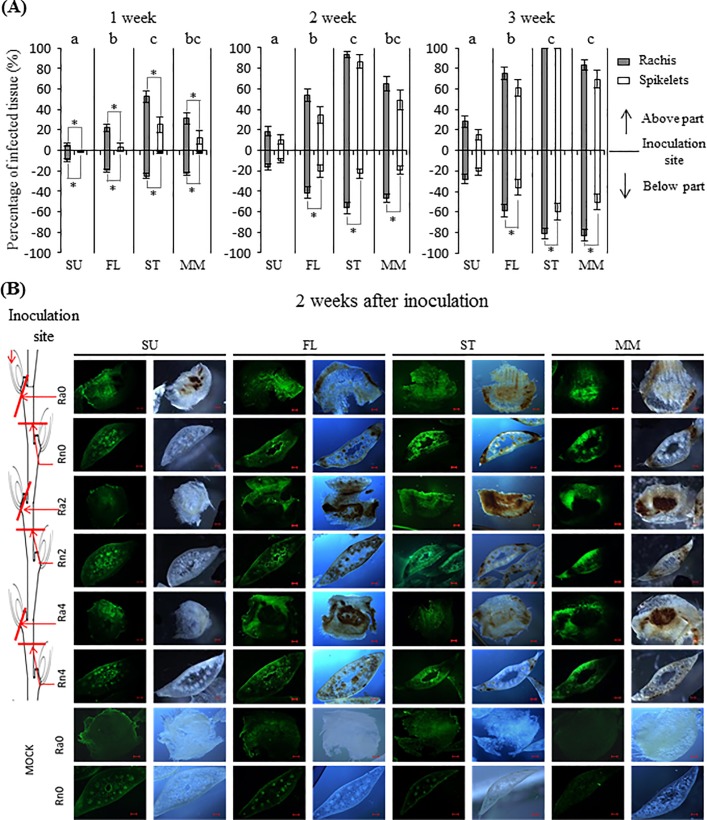
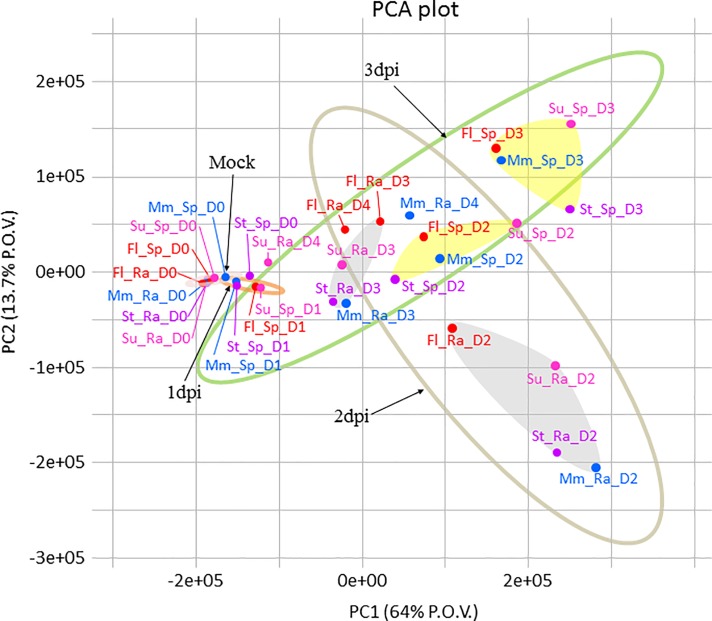
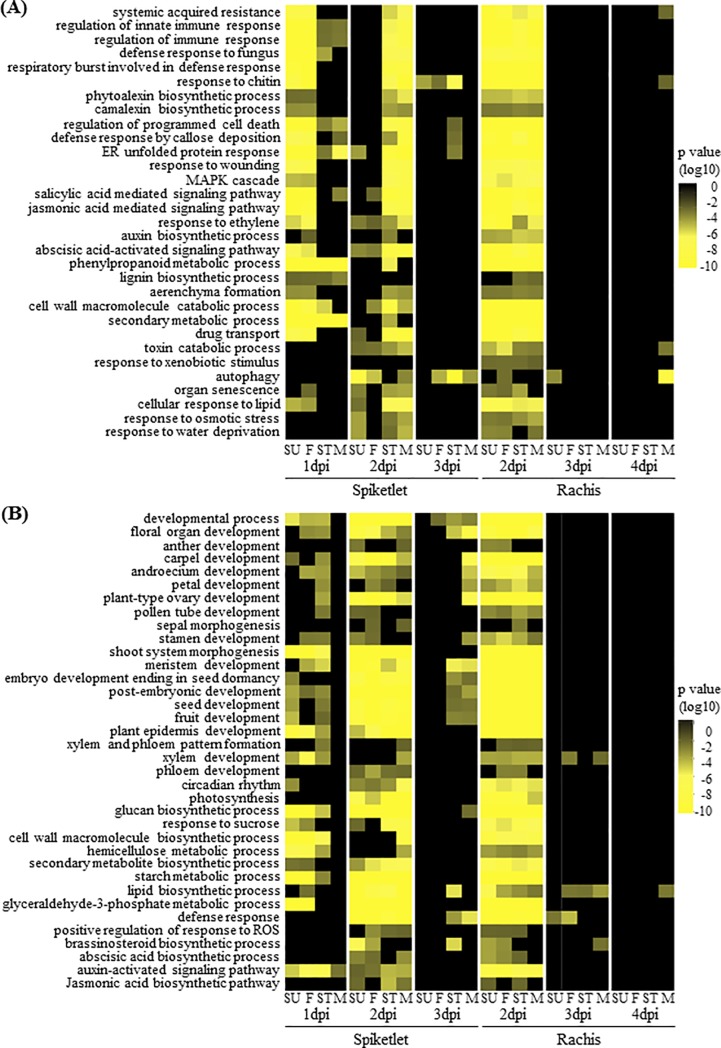
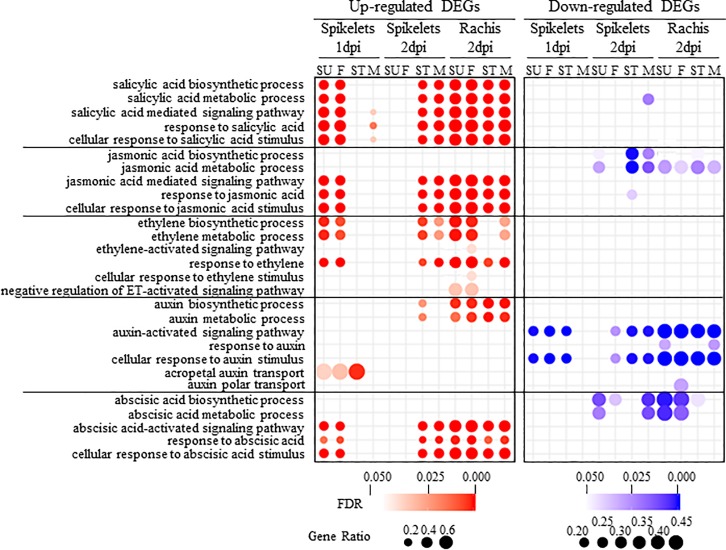
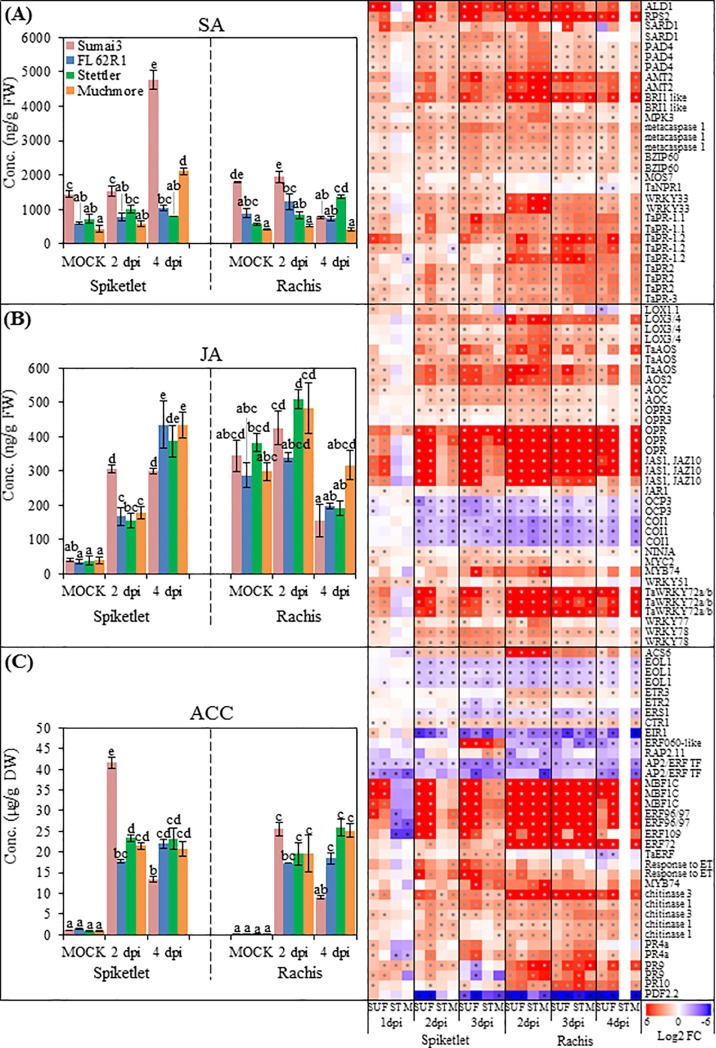
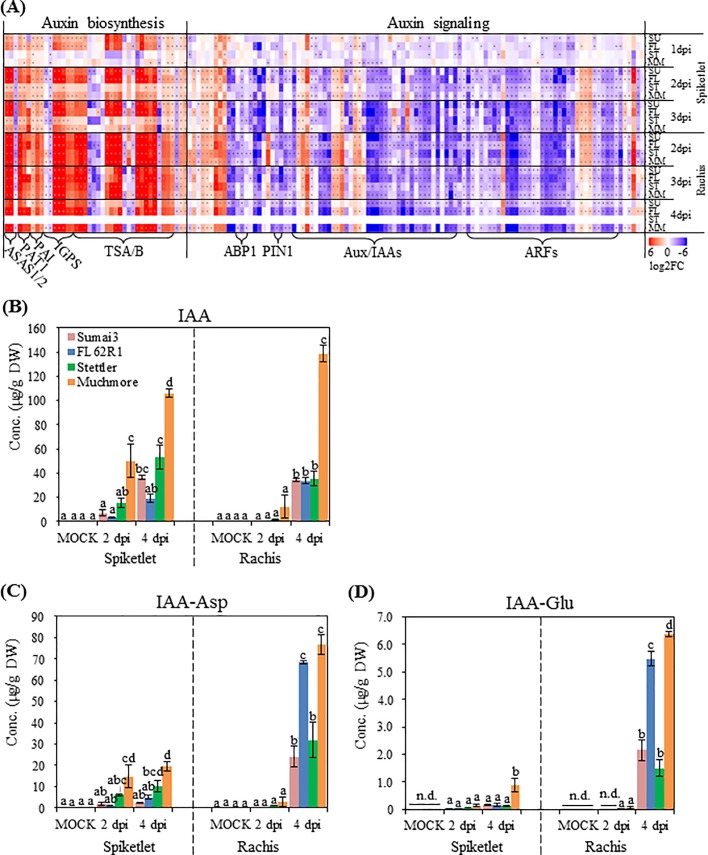
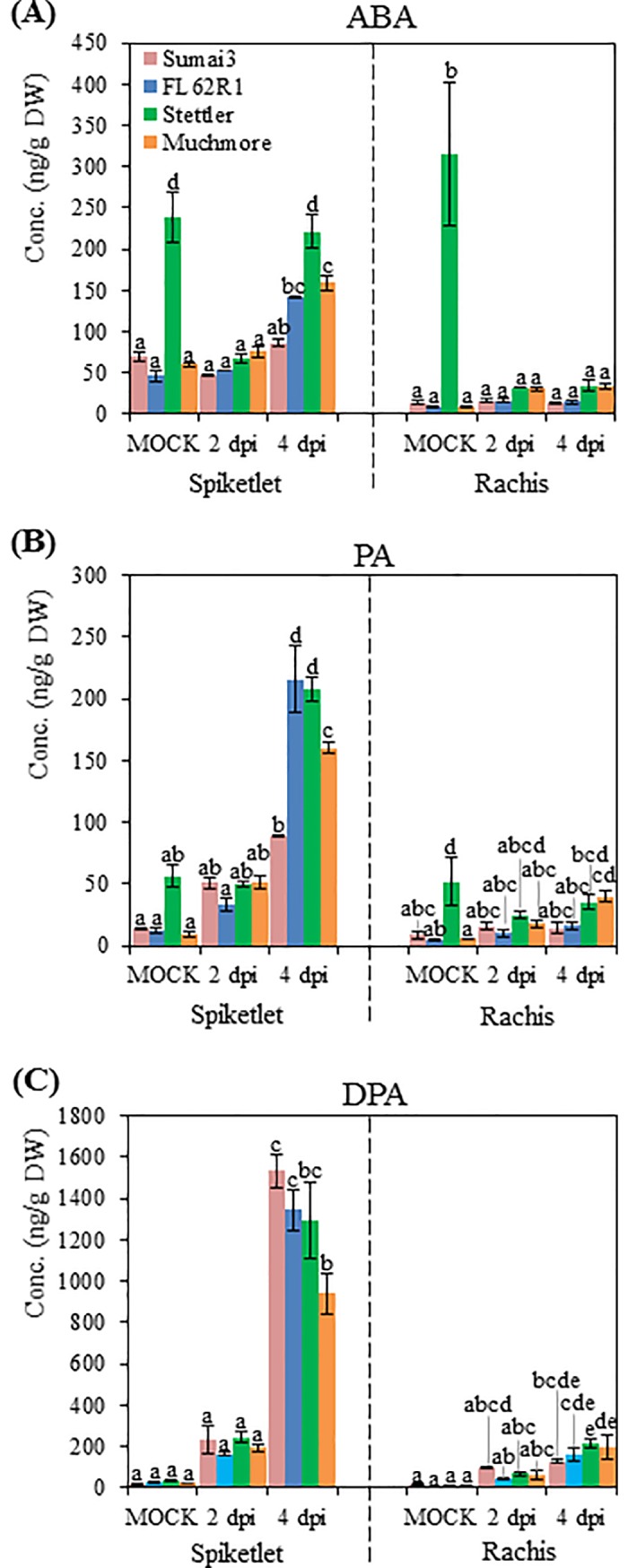
Fusarium head blight (FHB or scab) caused by Fusarium spp. is a destructive disease of wheat. Since the most effective sources of FHB resistance are typically associated with unfavorable agronomic traits, breeding commercial cultivars that combine desired agronomic traits and a high level of FHB resistance remains a considerable challenge. A better understanding of the molecular mechanisms governing FHB resistance will help to design more efficient and precise breeding strategies. Here, multiple molecular tools and assays were deployed to compare the resistant variety Sumai3 with three regionally adapted Canadian cultivars. Macroscopic and microscopic disease evaluation established the relative level of Type II FHB resistance of the four varieties and revealed that the F. graminearum infection process displayed substantial temporal differences among organs. The rachis was found to play a critical role in preventing F. graminearum spread within spikes. Large-scale, organ-specific RNA-seq at different times after F. graminearum infection demonstrated that diverse defense mechanisms were expressed faster and more intensely in the spikelet of resistant varieties. The roles of plant hormones during the interaction of wheat with F. graminearum was inferred based on the transcriptomic data obtained and the quantification of the major plant hormones. Salicylic acid and jasmonic acid were found to play predominantly positive roles in FHB resistance, whereas auxin and ABA were associated with susceptibility, and ethylene appeared to play a dual role during the interaction with F graminearum.
Conflict of interest statement
The authors have declared that no competing interests exist.
Figures
References
-
- Jansen C, von Wettstein D, Schafer W, Kogel KH, Felk A, Maier FJ. Infection patterns in barley and wheat spikes inoculated with wild-type and trichodiene synthase gene disrupted Fusarium graminearum. Proc Natl Acad Sci U S A. 2005;102(46):16892–7. Epub 2005/11/03. 10.1073/pnas.0508467102 ; PubMed Central PMCID: PMCPMC1283850. - DOI - PMC - PubMed
Publication types
MeSH terms
Substances
LinkOut - more resources
Full Text Sources
Molecular Biology Databases
Miscellaneous
