


Osteosarcoma in patients below 25 years of age: An observational study of incidence, metastasis, treatment and outcomes
- PMID: 30405789
- PMCID: PMC6202522
- DOI: 10.3892/ol.2018.9453
Osteosarcoma in patients below 25 years of age: An observational study of incidence, metastasis, treatment and outcomes
Abstract
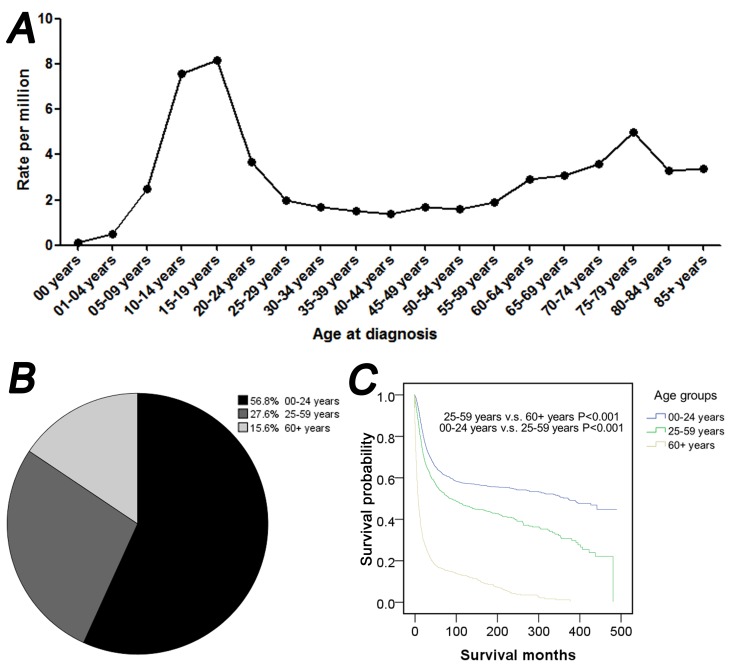
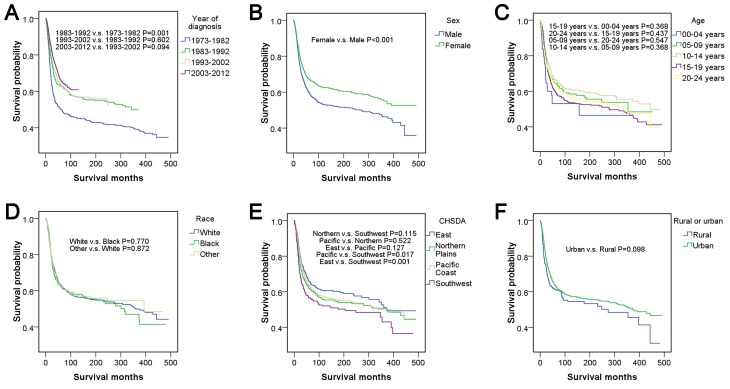
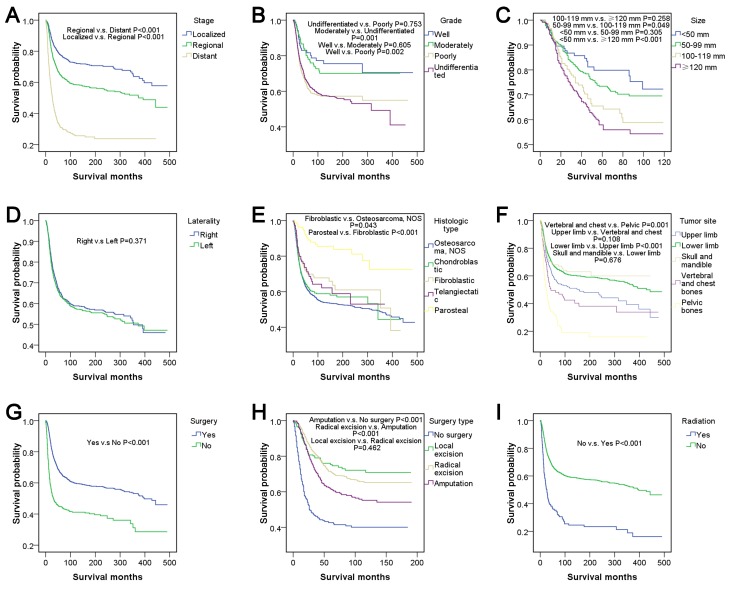
Only few systematic and comprehensive studies have focused on osteosarcoma in children and adolescents. In the present study, 3,085 patients with osteosarcoma were identified in the Surveillance, Epidemiology and End Results Program database. The patients were <25 years of age and diagnosed between 1973 to 2012. A retrospective study was performed to investigate the factors associated with tumor incidence, metastasis, treatment and survival. The results indicated that the incidence of osteosarcoma was higher in male patients compared with female patients. In addition, the incidence rate of osteosarcoma was higher among male and female patients between the ages of 10 and 19. Osteosarcoma located in the chest and pelvic bones was associated with metastatic disease; however, metastasis in two histological types, parosteal and periosteal, was infrequent. Survival analysis revealed the following were associated with poor outcomes: Sex, patients diagnosed between 1973 and 1982, distant metastasis, treatment without surgery or with radiation, a tumor with a poorly differentiated or undifferentiated grade, tumor size ≥100 mm, and a tumor in the pelvic bones. Patient's whose histologic type was parosteal osteosarcoma and whose tumor was located in one of the limbs, or who underwent local or radical excision, exhibited a good survival outcome. Survival outcomes were ranked according to the type of surgery, from best to worst, as follows: Local excision, radical excision, amputation and no surgery. In summary, the incidence of osteosarcoma is higher in male patients compared with female patients. Furthermore, individuals between the ages of 10 and 19 have a higher risk of osteosarcoma. Osteosarcoma located in the chest and pelvic bones has a high risk of metastasis. Limb-salvage surgery may be the optimal treatment approach for non-metastatic osteosarcoma.
Keywords: incidence; osteosarcoma; outcomes; treatment.
Figures
References
LinkOut - more resources
Full Text Sources