


Pilot Study to Describe the Trajectory of Symptoms and Adaptive Strategies of Adults Living with Low-grade Glioma
- PMID: 30409554
- PMCID: PMC6612906
- DOI: 10.1016/j.soncn.2018.10.006
Pilot Study to Describe the Trajectory of Symptoms and Adaptive Strategies of Adults Living with Low-grade Glioma
Abstract
Objectives: To describe the adaptability to the patterns in symptoms and quality of life (QoL) during 6 months post low-grade glioma diagnosis by valid and reliable tools; to identify through qualitative interviews patient/provider adaptive techniques and strategies; and to assess associations among patient characteristics, symptoms and QoL, and adaptive techniques or strategies.
Data sources: Demographic, clinical and pathologic data from medical records. Validated instruments that assess QoL, fatigue, depression, and distress were completed at 2, 4, and 6 months post diagnosis. Qualitative interviews identifying the symptoms, challenges, adaptive techniques and strategies were conducted at 4 and 6 months.
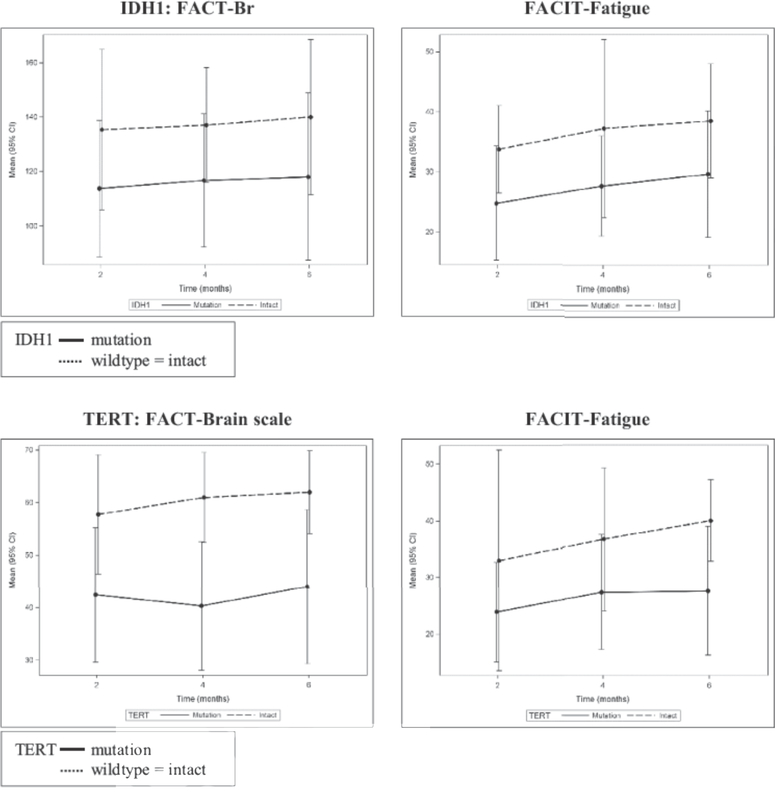
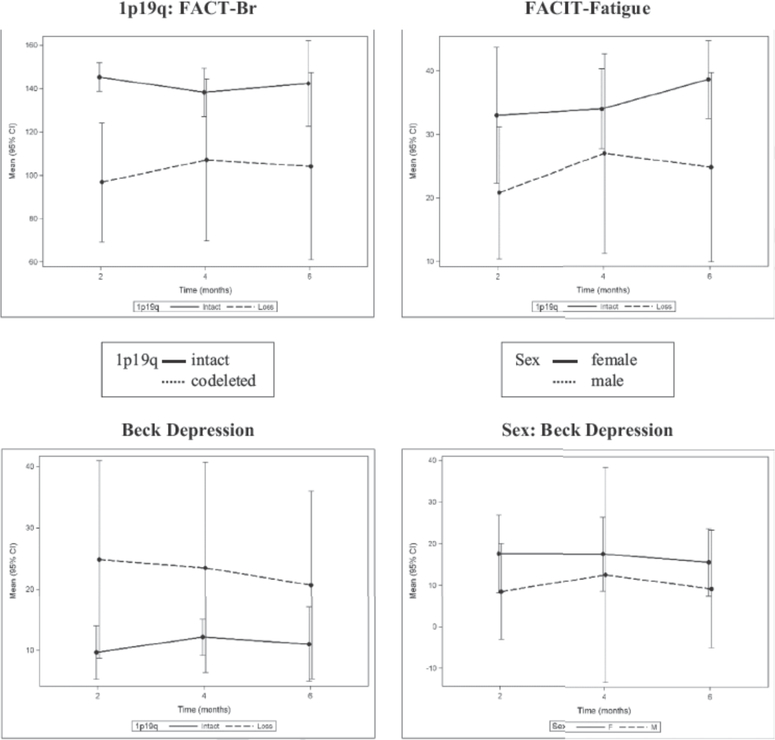
Conclusion: The most frequently used adaptive strategies included: obtaining community support (87%), managing expectations (73%) and support systems (67%), and seeking out knowledge about physical (67%) and behavioral symptoms (53%). Seizures were reported with IDH1mut (11%) but not IDH1wildtype. Patients with either IDH1mut or TERTmut consistently reported lower QoL and higher distress, depression, and fatigue scores. IDH1/TERTmut may be related to lower QoL because of IDH1mut-related seizures.
Implications for nursing practice: Findings provide a list of adaptive strategies and characteristics to address the problems and symptoms that may improve overall QoL in patients with low-grade glioma.
Keywords: adaptive leadership; glioma; quality of life; symptoms.
Copyright © 2018. Published by Elsevier Inc.
Figures
References
-
- Thygeson M, Morrissey L, Ulstad V. Adaptive leadership and the practice of medicine: a complexity-based approach to reframing the doctor-patient relationship. J Eval Clin Pract. 2010;16:1009 1015. - PubMed
Publication types
MeSH terms
Grants and funding
LinkOut - more resources
Full Text Sources
Medical
Miscellaneous
