. 2019 Feb 1:566:1-9.
doi: 10.1016/j.ab.2018.10.026. Epub 2018 Oct 26.

Analysis of glucose-derived amino acids involved in one-carbon and cancer metabolism by stable-isotope tracing gas chromatography mass spectrometry

Affiliations

Analysis of glucose-derived amino acids involved in one-carbon and cancer metabolism by stable-isotope tracing gas chromatography mass spectrometry

Mark L Sowers et al. Anal Biochem. .

Abstract

A major hallmark of cancer is a perturbed metabolism resulting in high demand for various metabolites, glucose being the most well studied. While glucose can be converted into pyruvate for ATP production, the serine synthesis pathway (SSP) can divert glucose to generate serine, glycine, and methionine. In the process, the carbon unit from serine is incorporated into the one-carbon pool which makes methionine and maintains S-adenosylmethionine levels, which are needed to maintain the epigenetic landscape and ultimately controlling what genes are available for transcription. Alternatively, the carbon unit can be used for purine and thymidylate synthesis. We present here an approach to follow the flux through this pathway in cultured human cells using stable isotope enriched glucose and gas chromatography mass spectrometry analysis of serine, glycine, and methionine. We demonstrate that in three different cell lines this pathway contributes only 1-2% of total intracellular methionine. This suggests under high extracellular methionine conditions, the predominance of carbon units from this pathway are used to synthesize nucleic acids.

Keywords: Cancer metabolism; GC/MS; Glucose metabolism; Isotope traing mass spectrometry; One carbon metabolism; Serine metabolism; Warburg effect.


Figures

Figure 1.
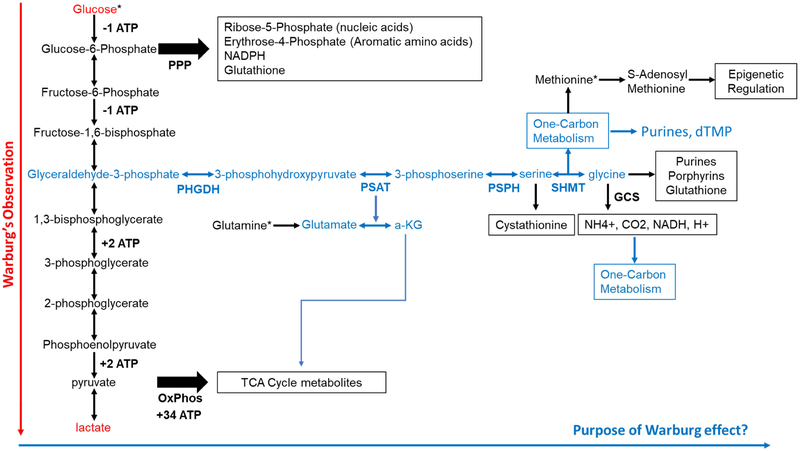
Figure 1.. Glucose metabolism, energy production, and its importance in DNA replication and epigenetic homeostasis.
Glucose is metabolized to pyruvate which can serve as a substrate for oxidative phosphorylation. It can also be converted from there to lactate to maintain flux through glycolysis. This underlies the Warburg effect (red/red arrow). However, glucose metabolism is much more complex and serves many other purposes other than production of precursors for aerobic respiration, including the pentose phosphate pathway (PPP) and de novo serine synthesis which connects glycolysis to nucleic acid synthesis as well as one carbon metabolism (blue/blue arrow). The synthesis of serine and glycine can also branch into other pathways such as production of cystathionine, which will make cysteine, and glycine is a substrate for heme, glutathione, and purines. Glycine can also be degraded using the glycine cleavage system (GCS) to produce carbon units. An additional product of this pathway is alpha-ketoglutarate (a-KG) which can feed into the citric acid cycle. (*) Represent metabolites that show preferential accumulation in tumors by positron emission tomography scan.
Figure 2.
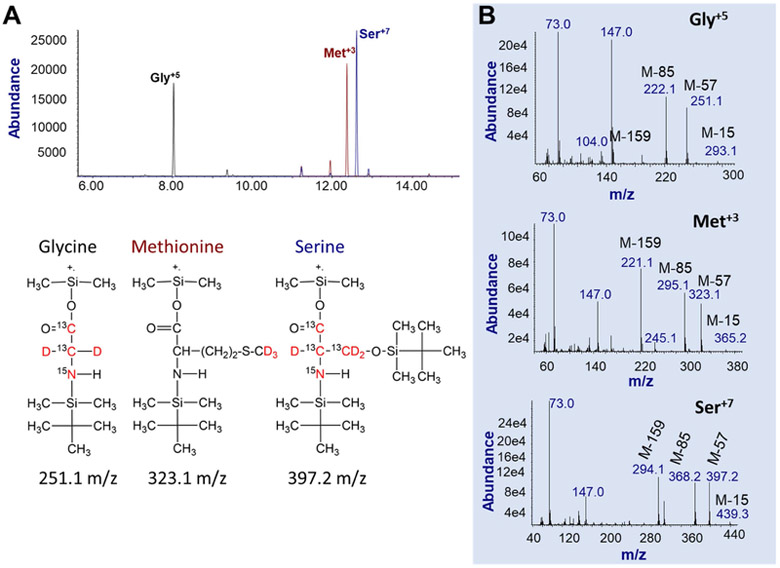
Figure 2.. The GC/MS ion chromatograms and mass spectra of internal standard amino acids
A. Selective ion monitoring (SIM) using the precursor (M+.)-57 ions. Show is the total-ion-current (TIC) elution profile of internal standard stable-isotope labeled (IS) amino acids Gly+5, Met+3, and Ser+7. The chemical structures of the three IS amino acids are presented below the TIC. Red colored atoms are the stable-isotope labeled atoms. B. The full-scan spectra of IS amino acids including Gly+5 (top panel), Met+3 (middle panel) and Ser+7 (bottom panel). While molecular ions are not present, major fragmented ions are M+.-15, M+.-57, M+.-85, and M+.-159. In this study, M+.-57 ions were used for quantification using the SIM mode.
Figure 3.
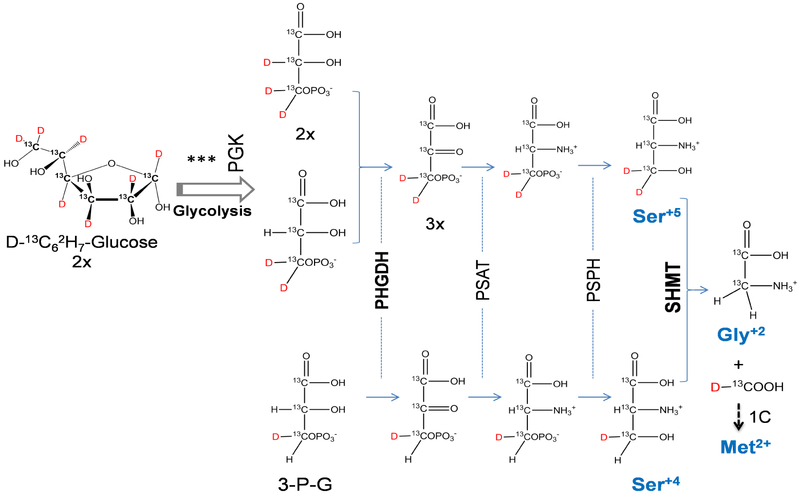
Figure 3.. Scheme for isotope tracking of glucose into serine, glycine, and methionine
3-phosphoglycerate (3-PG), formed at sixth step of glycolysis, by phosphoglycerate kinase (PGK) can be converted into phosphohydroxypyruvate by phosphoglycerate dehydrogenase (PHGDH) and through successive steps into serine. Serine is then converted by serine hydroxymethyltransferase 2 (SHMT2) into glycine. The carbon unit is incorporated into the folate cycle which transfers the carbon unit to homocysteine to generate methionine. The asymmetric hydrolysis of glucose causes two isotopomers of serine, Ser+4 and Ser+5. Decarboxylation of serine by SHMT results in a single isotopomer of glycine, Gly+2. The carbon unit from serine has two deuterium and a 13C; however, it is oxidized to formate causing a loss of a deuterium before incorporation into the folate cycle and ultimately generates Met+2.
Figure 4.
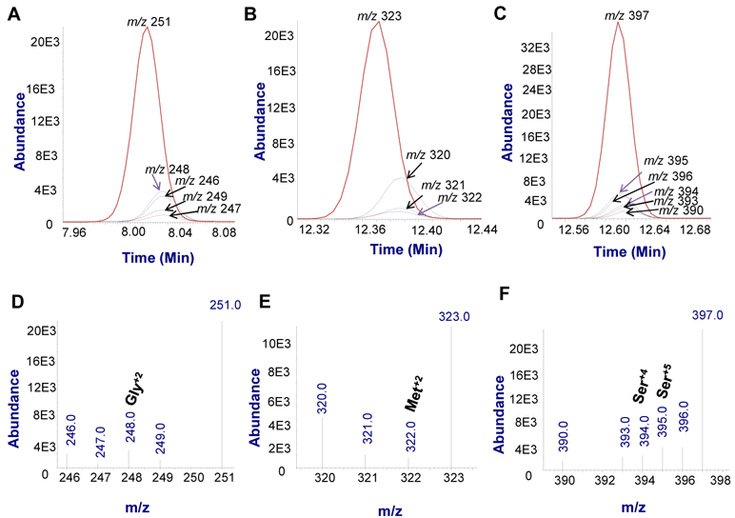
Figure 4.. Representative Expanded SIM ion chromatograms and mass spectra of amino acids in A375+PHGDH cells.
A. SIM ion chromatogram of glycine; B. SIM ion chromatogram of methionine; C. SIM ion chromatogram of serine; D. SIM mass spectrum of glycine; E. SIM mass spectrum of methionine; F. SIM mass spectrum of serine. The SIM of an amino acid (Gly, Met or Ser) includes the ions corresponding to the isotope standard, glucose-derived labeled amino acid, unlabeled media amino acids.
Figure 5.
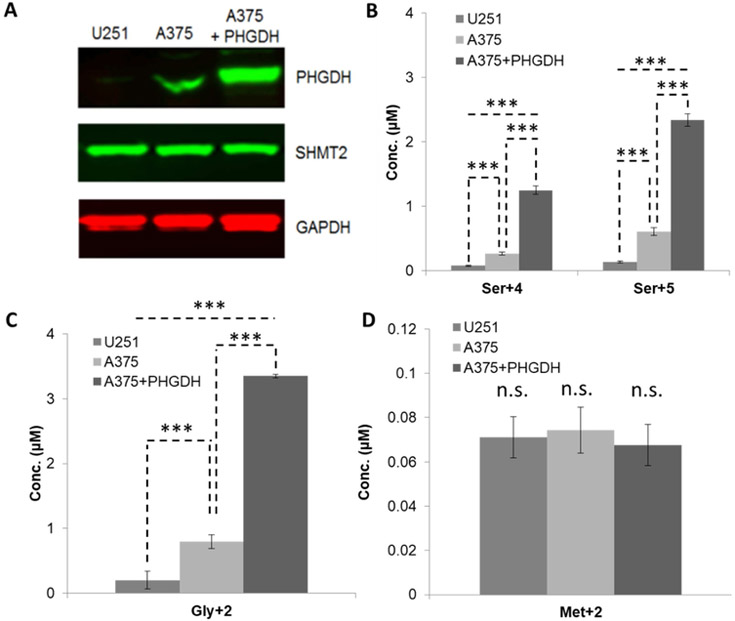
Figure 5.. Measurement of glucose-derived amino acids in cancer cells that differentially express PHGDH
A. Western-blot analysis of PHGDH and SHMT2 in U251, A375 and A375 overexpressing PHGDH (A375+PHGDH) cells; loading controls were GAPDH; B. Concentrations of Ser+4 and Ser+5 in the cells measured by GC-MS; C. Concentrations of Gly+2 in the cells measured by GC-MS; D. Concentrations of Met+2 in the cells measured by GC-MS.
Figure 6.
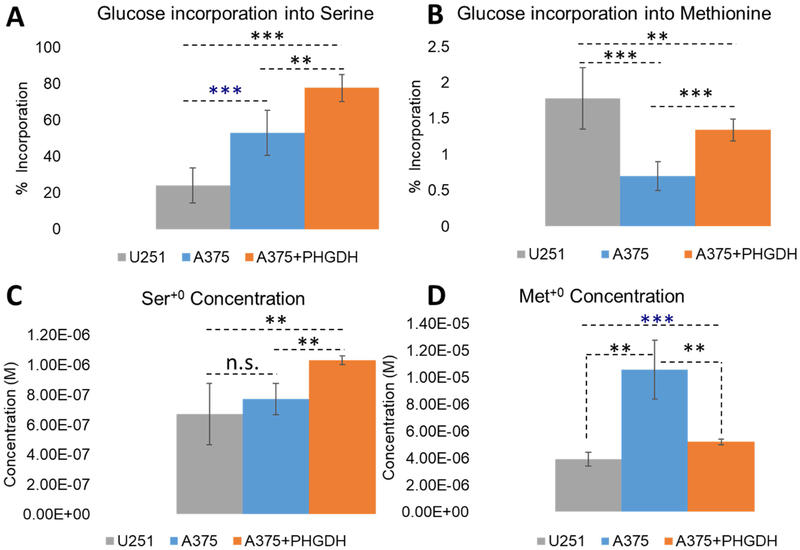
Figure 6.. Measuring serine and methionine intracellular pools in three different cell lines and the fraction produced from de novo synthesis from glycolytic precursors.
P-values are reported as: * = p < 0.05, ** = p < 0.01, *** = p < 0.0001, relative to the control sample with no inhibitor. Otherwise the P-values were found to be not significant and are labeled n.s.
Figure 7.
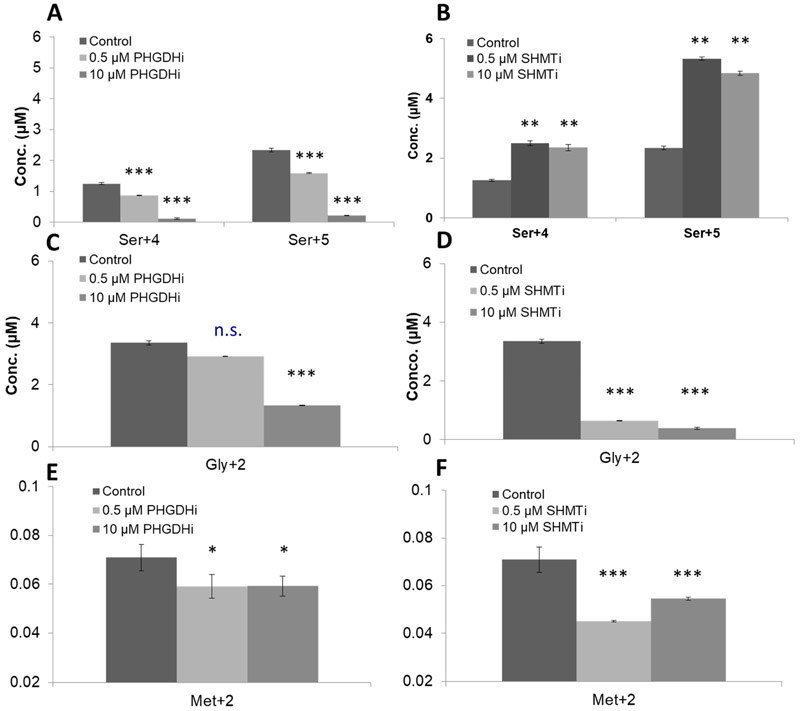
Figure 7.. Measurement of glucose-derived amino acids in cancer cells treated with PHGDH or SHMT2 inhibitors
A-C. Concentrations of Ser+4/Ser+5, Gly+2, and Met+2 measured by GC/MS in the A375+PHGDH cells treated with PHGDH inhibitors at two doses, 0.5 μM and 10 μM; D-F. Concentrations of Ser+4/Ser+5, Gly+2, and Met+2 measured by GC/MS in the A375+PHGDH cells treated with SHMT2 inhibitors at two doses, 0.5 μM and 10 μM.
Figure 8.
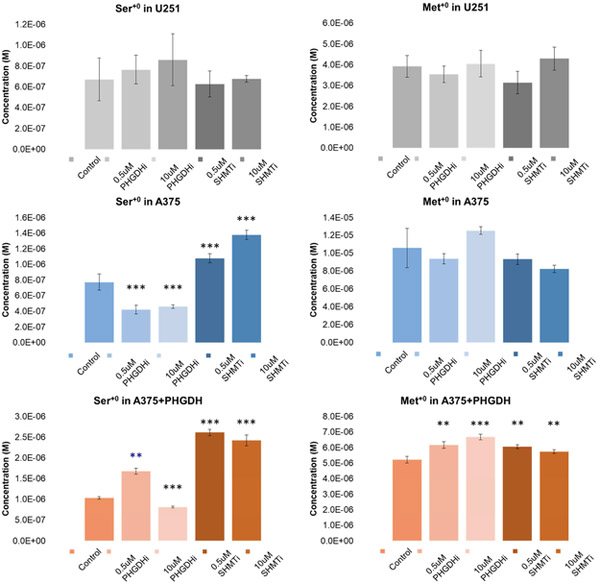
Figure 8.. Unlabeled serine and methionine pools in three different cell lines and the effects of PHGDH and SHMT2 inhibitors.
P-values are reported as: * = p < 0.05, ** = p < 0.01, *** = p < 0.0001, relative to the control sample with no inhibitor. Otherwise the P-values were found to be not significant.

References

    1. Pavlova NN, Thompson CB, The Emerging Hallmarks of Cancer Metabolism, Cell Metab. 23 (2016) 27–47. doi: 10.1016/j.cmet.2015.12.006. - DOI - PMC - PubMed
    1. Pfeiffer T, Schuster S, Bonhoeffer S, Cooperation and competition in the evolution of ATP-producing pathways, Science (80-. ). 293 (2001) 1436. - PubMed
    1. Epstein T, Gatenby RA, Brown JS, The Warburg effect as an adaptation of cancer cells to rapid fluctuations in energy demand, PLoS One. 12 (2017) 1–14. doi: 10.1371/journal.pone.0185085. - DOI - PMC - PubMed
    1. Snell K, Enzymes of serine metabolism in normal and neoplastic rat tissues, Adv. Enzyme Regul 22 (1984) 325–400. doi: 10.1016/0304-4165(85)90149-7. - DOI - PubMed
    1. Possemato R, Marks KM, Shaul YD, Pacold ME, Kim D, Birsoy K, Sethumadhavan S, Woo HK, Jang HG, Jha AK, Chen WW, Barrett FG, Stransky N, Tsun ZY, Cowley GS, Barretina J, Kalaany NY, Hsu PP, Ottina K, Chan AM, Yuan B, Garraway LA, Root DE, Mino-Kenudson M, Brachtel EF, Driggers EM, Sabatini DM, Functional genomics reveal that the serine synthesis pathway is essential in breast cancer, Nature. 476 (2011) 346–350. doi: 10.1038/nature10350. - DOI - PMC - PubMed

Publication types

LinkOut - more resources