


Pediatric musculoskeletal ultrasound: a pictorial essay
- PMID: 30414082
- PMCID: PMC6838277
- DOI: 10.1007/s40477-018-0337-y
Pediatric musculoskeletal ultrasound: a pictorial essay
Abstract
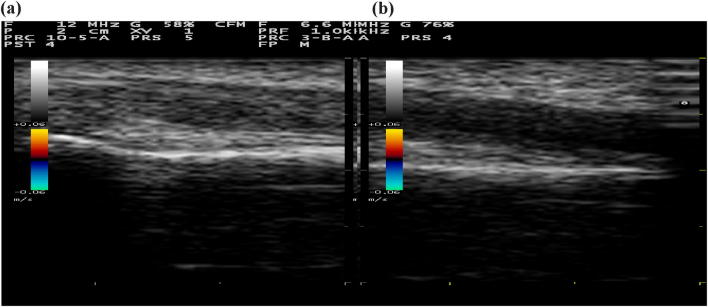
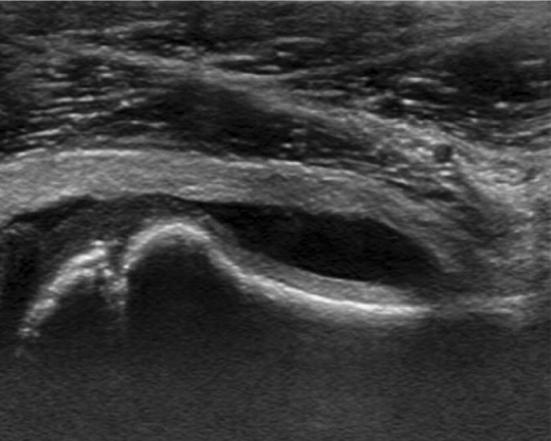
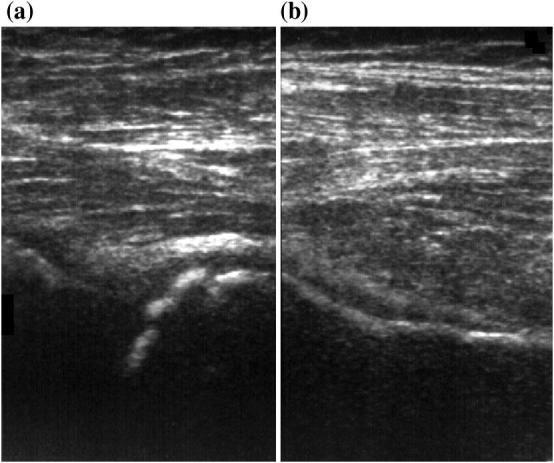
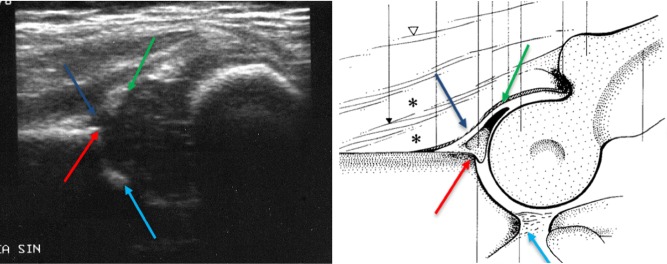
Ultrasound (US) is the main imaging modality for the evaluation of pediatric patients with musculoskeletal diseases; particularly, it is an appropriate and reliable tool for diagnosis, follow-up and treatment of several musculoskeletal pathologies affecting the pediatric age. High-frequency (10-15 MHz) and high-resolution probes provide very lofty quality images, allowing a detailed study of the pediatric musculoskeletal system. Among the well-known advantages of this technique-such as the absence of ionizing radiations, its low cost and wide availability-US can as well rely on some intrinsic characteristics of the pediatric musculoskeletal system that can improve its diagnostic capability. The unossified portions of the pediatric skeleton and the absence of a thickened adipose tissue allow US to be highly effective and reliable in the study of muscles, tendons and cartilage. Lower-frequency sectoral transducers can be required in the study of some joints such as the shoulder or the hip, as well as in the examination of deep soft-tissue lesions. Furthermore, both color and spectral Doppler play an important role in the examination of soft-tissue lesions and synovial phlogosis. In this pictorial essay the main pathological conditions of pediatric musculoskeletal system will be examined, such as painful hip, evolutionary hip dysplasia, osteochondrosis, trauma-related pathologies and juvenile idiopathic arthritis.
Nonostante i grandi sviluppi delle metodiche imaging degli ultimi anni, l’ecografia rappresenta al giorno d’oggi un valido ed affidabile strumento nella diagnosi, follow-up e nel trattamento di numerose patologie che interessano l’apparato muscolo scheletrico in età pediatrica. L’utilizzo di sonde lineari ad elevata frequenza (10-15 Mhz) e risoluzione risulta fondamentale nello studio dell’apparato muscolo-scheletrico pediatrico in quanto sono in grado di fornire immagini di altissimo dettaglio anatomico. Sonde settoriali a più bassa frequenza possono essere altresì richieste nello studio di alcune articolazioni come l’anca e la spalla o nello studio di lesioni dei tessuti molli profondi. Oltre ai già ben noti vantaggi di tale metodica di imaging, quali l’assenza di radiazioni ionizzanti, il basso costo e l’ampia disponibilità sul territorio, l’ecografia può sfruttare alcune caratteristiche intrinseche dell’apparato muscolo-scheletrico pediatrico, ampliando cosi notevolmente le sue capacità diagnostiche. In tal senso le porzioni non ancora ossificate dello scheletro pediatrico e la mancanza di uno spesso pannicolo adiposo forniscono una finestra acustica di studio ottimale, che rende così l’ecografia una metodica di primo livello di grande affidabilità nello studio delle articolazioni, tendini, muscoli e delle strutture cartilaginee. L’utilizzo sia del color Doppler che del Doppler spettrale svolge inoltre un ruolo fondamentale per la caratterizzazione di lesioni dei tessuti molli e per la valutazione della flogosi sinoviale. In questo pictorial essay verranno quindi esaminate le principali condizioni patologiche del sistema muscoloscheletrico pediatrico, come “l'anca dolorosa”, la displasia congenita evolutiva dell'anca, le più comuni osteocondrosi, alcune condizioni patologiche di natura traumatica e l’artrite giovanile idiopatica.
Keywords: High-resolution probes; Musculoskeletal system; Pediatric age; Ultrasound examination.
Conflict of interest statement
The authors declare that they have no conflict of interest.
Figures







References
Publication types
MeSH terms
LinkOut - more resources
Full Text Sources
