


Impact of heart disease on maternal, fetal and neonatal outcomes in a low-resource setting
- PMID: 30415203
- PMCID: PMC11181686
- DOI: 10.1136/heartjnl-2018-313810
Impact of heart disease on maternal, fetal and neonatal outcomes in a low-resource setting
Abstract
Background: The burden of pre-existing cardiovascular disease and the contribution to adverse pregnancy outcomes are not robustly quantified, particularly in low-income countries. We aimed to determine both the prevalence of maternal heart disease through active case finding and its attributable risk to adverse pregnancy outcomes.
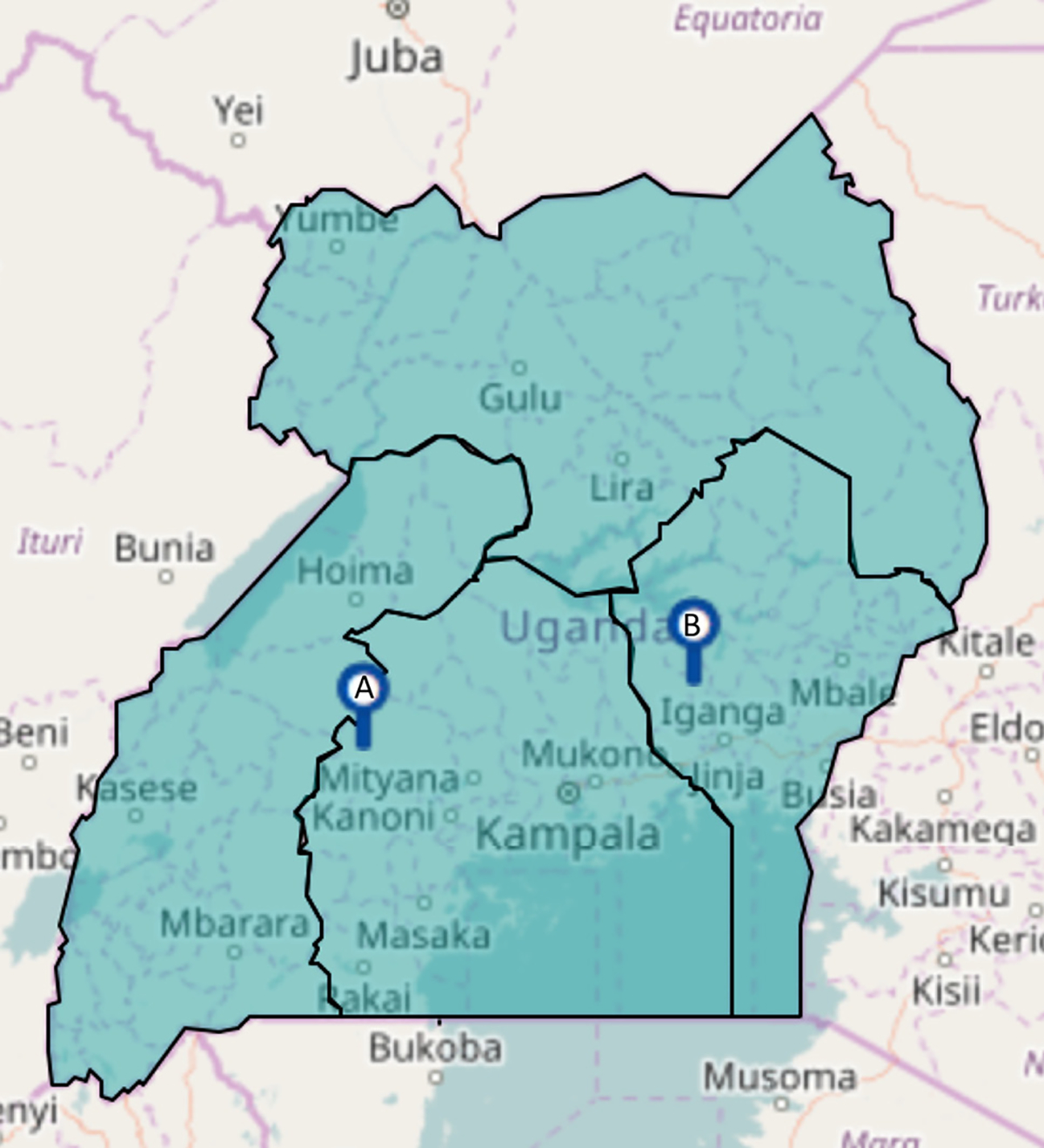
Methods: We conducted a 24-month prospective longitudinal investigation in three Ugandan health centres, using echocardiography for active case finding during antenatal care. Women with and without heart disease were followed to 6 weeks post partum to determine pregnancy outcomes. Prevalence of heart disease was calculated. Per cent attributable risk estimates were generated for maternal, fetal and neonatal mortality.
Results: Screening echocardiography was performed in 3506 women. The prevalence of heart disease was 17 per 1000 women (95% CI 13 to 21); 15 per 1000 was rheumatic heart disease. Only 3.4% of women (2/58) had prior diagnosis. Cardiovascular complications occurred in 51% of women with heart disease, most commonly heart failure. Per cent attributable risk of heart disease on maternal mortality was 88.6% in the exposed population and 10.8% in the overall population. Population attributable risk of heart disease on fetal death was 1.1% and 6.0% for neonatal mortality CONCLUSIONS: Occult maternal heart disease may be responsible for a substantial proportion of adverse pregnancy outcomes in low-resource settings. Rheumatic heart disease is, by far, the most common condition, urging global prioritisation of this neglected cardiovascular disease.
Keywords: global health; pregnancy; valvular heart disease.
© Author(s) (or their employer(s)) 2019. No commercial re-use. See rights and permissions. Published by BMJ.
Conflict of interest statement
Competing interests: None declared.
Figures
References
-
- Say L, Chou D, Gemmill A, et al. Global causes of maternal death: a WHO systematic analysis. Lancet Glob Health 2014;2:e323–33. - PubMed
-
- World Health Organization. Strategy to accelerate progress towards the attainment of international development goals and targets related to reproductive health. Reprod Health Matters 2005;13:11–18. - PubMed
-
- Organization TWh. The WHO application of ICD-10 to deaths during pregnancy, childbirth and puerperium. 66: ICD-MM, 2012.
Publication types
MeSH terms
Grants and funding
LinkOut - more resources
Full Text Sources
Medical
