


Immunomodulatory Effects of Probiotics on Cytokine Profiles
- PMID: 30426014
- PMCID: PMC6218795
- DOI: 10.1155/2018/8063647
Immunomodulatory Effects of Probiotics on Cytokine Profiles
Abstract
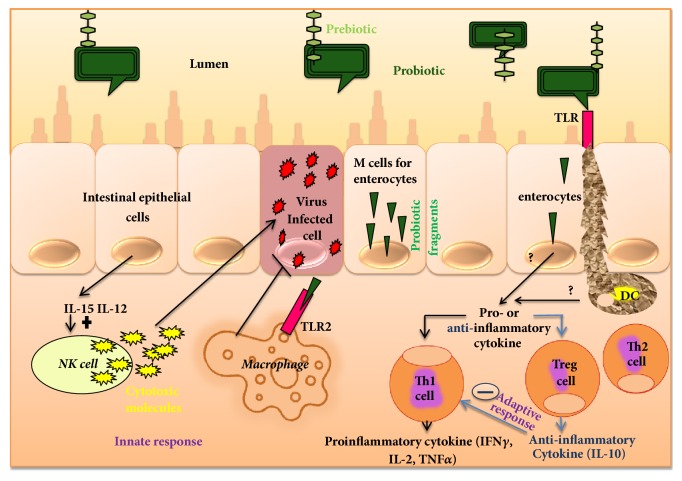
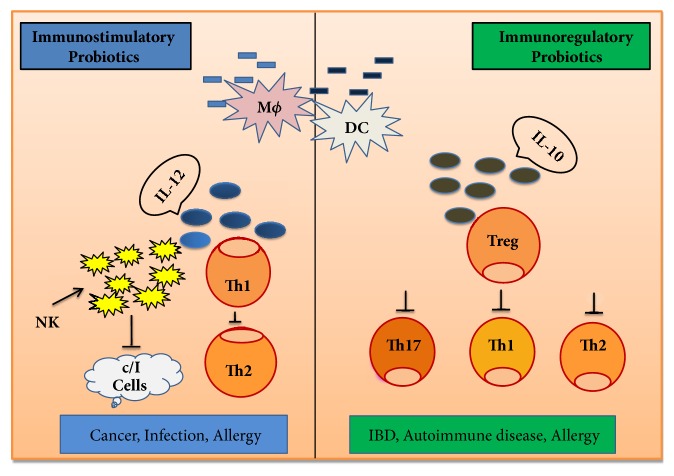
Probiotics confer immunological protection to the host through the regulation, stimulation, and modulation of immune responses. Researchers have shifted their attention to better understand the immunomodulatory effects of probiotics, which have the potential to prevent or alleviate certain pathologies for which proper medical treatment is as yet unavailable. It has been scientifically established that immune cells (T- and B-cells) mediate adaptive immunity and confer immunological protection by developing pathogen-specific memory. However, this review is intended to present the recent studies on immunomodulatory effects of probiotics. In the early section of this review, concepts of probiotics and common probiotic strains are focused on. On a priority basis, the immune system, along with mucosal immunity in the human body, is discussed in this study. It has been summarized that a number of species of Lactobacillus and Bifidobacterium exert vital roles in innate immunity by increasing the cytotoxicity of natural killer cells and phagocytosis of macrophages and mediate adaptive immunity by interacting with enterocytes and dendritic, Th1, Th2, and Treg cells. Finally, immunomodulatory effects of probiotics on proinflammatory and anti-inflammatory cytokine production in different animal models have been extensively reviewed in this paper. Therefore, isolating new probiotic strains and investigating their immunomodulatory effects on cytokine profiles in humans remain a topical issue.
Figures
References
-
- Hill C., Guarner F., Reid G., et al. Expert consensus document: the International Scientific Association for Probiotics and Prebiotics consensus statement on the scope and appropriate use of the term probiotic. Nature Reviews Gastroenterology & Hepatology. 2014;11(8):506–514. doi: 10.1038/nrgastro.2014.66. - DOI - PubMed
-
- Kristensen N. B., Bryrup T., Allin K. H., Nielsen T., Hansen T. H., Pedersen O. Alterations in fecal microbiota composition by probiotic supplementation in healthy adults: A systematic review of randomized controlled trials. Genome Medicine. 2016;8(1, article no. 52) doi: 10.1186/s13073-016-0300-5. - DOI - PMC - PubMed
Publication types
MeSH terms
Substances
LinkOut - more resources
Full Text Sources
Other Literature Sources
Molecular Biology Databases
