


Medical Needling: Effect on Skin Erythema of Hypertrophic Burn Scars
- PMID: 30430049
- PMCID: PMC6219864
- DOI: 10.7759/cureus.3260
Medical Needling: Effect on Skin Erythema of Hypertrophic Burn Scars
Abstract
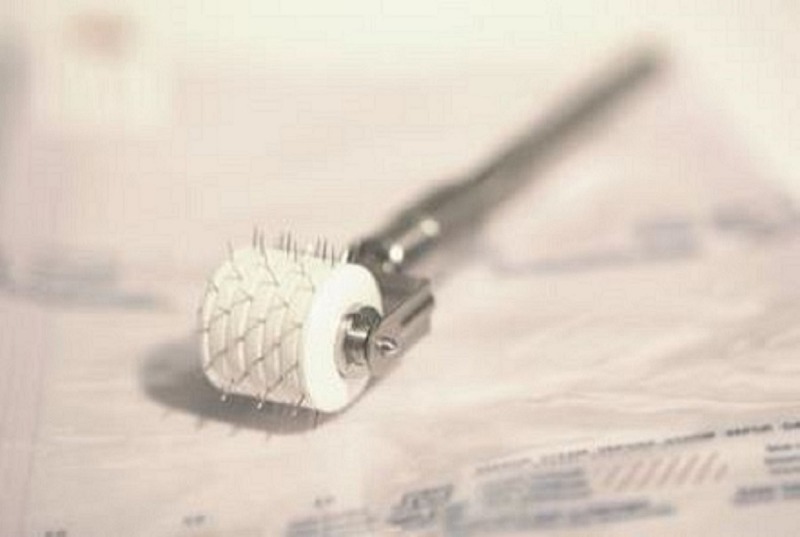
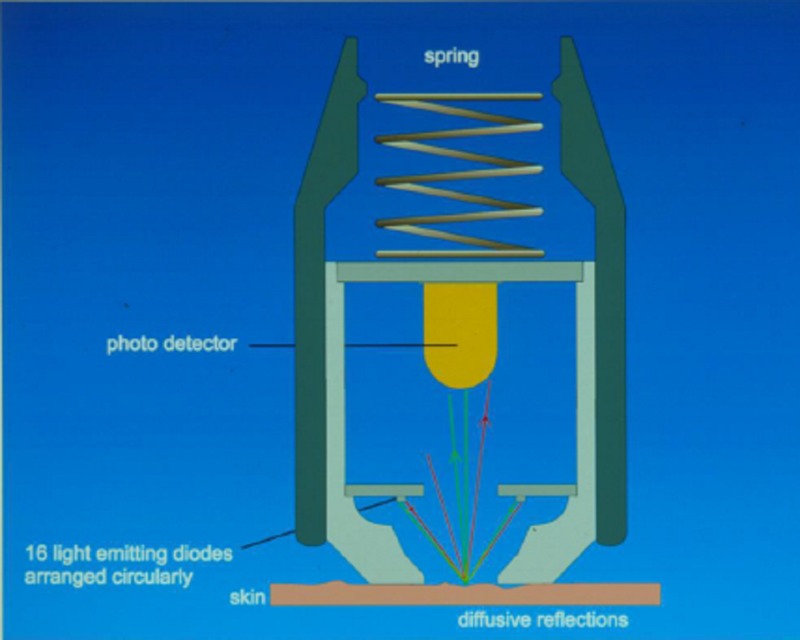
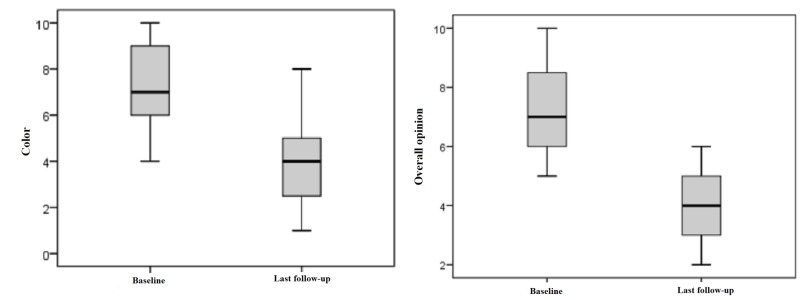
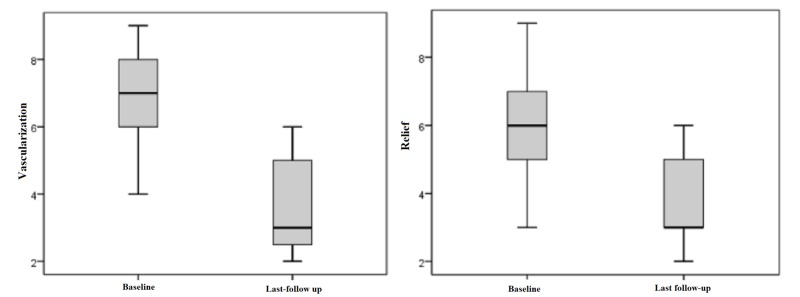
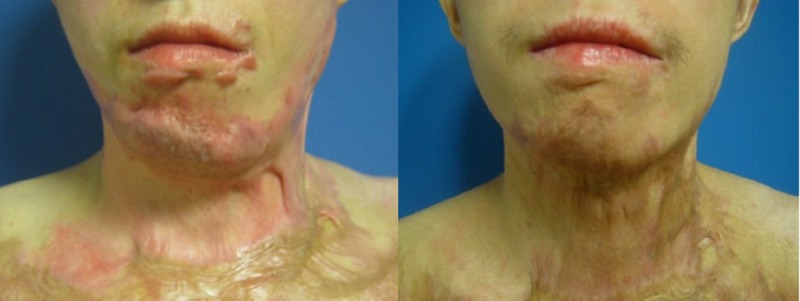
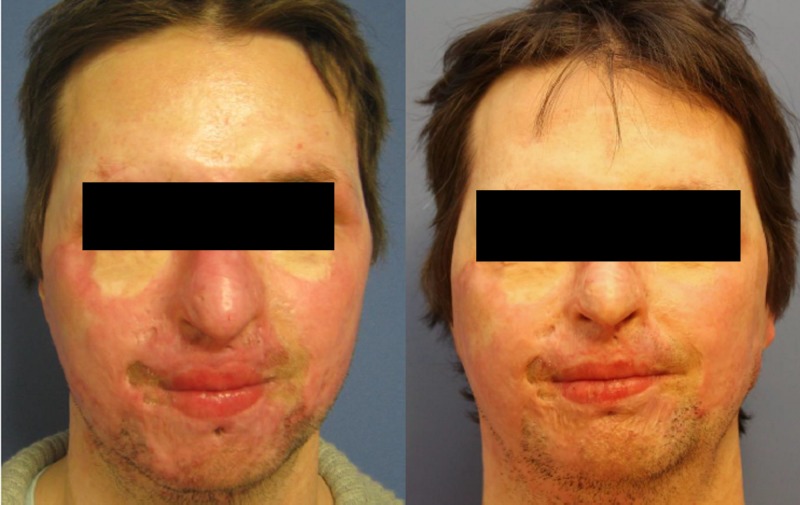
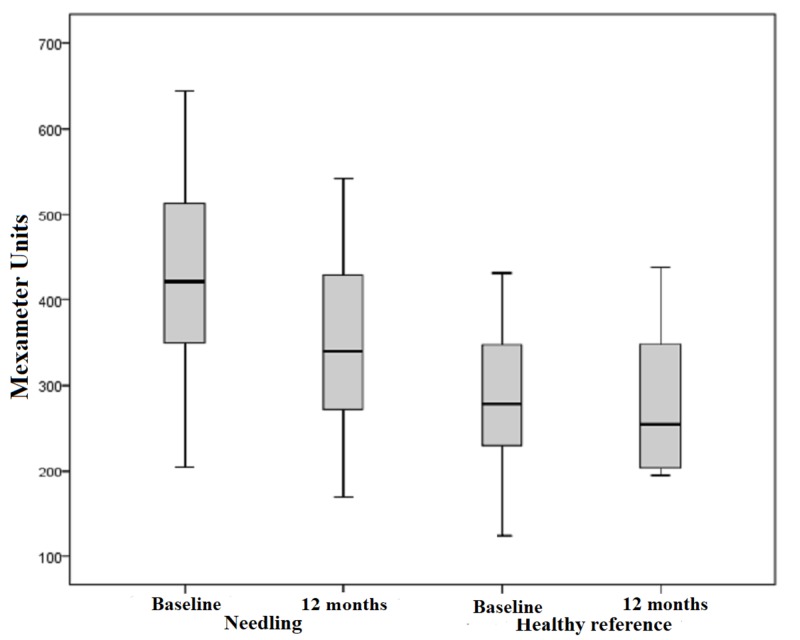
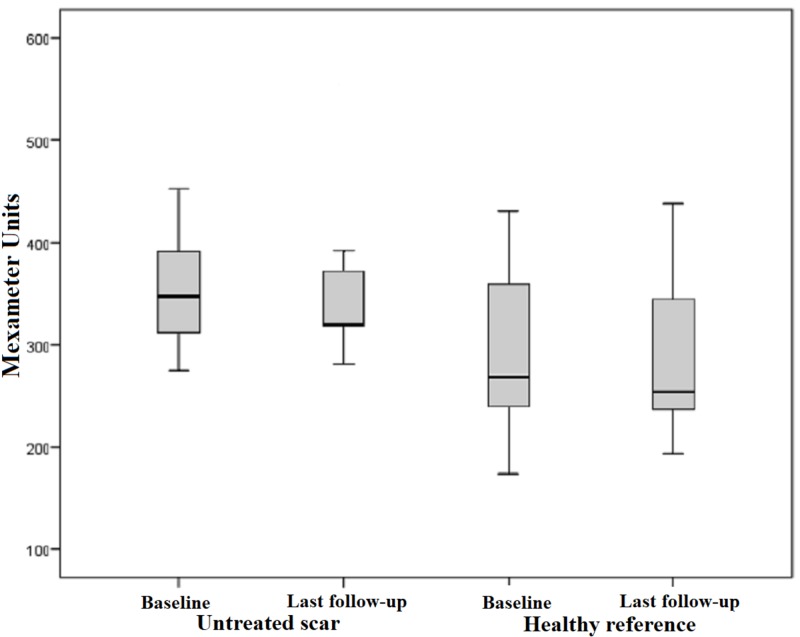
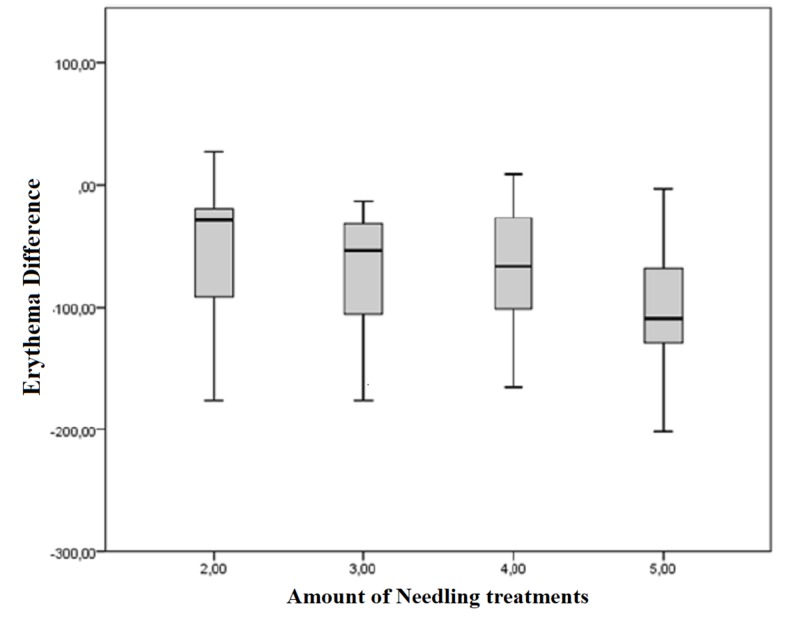
Background Burn scars frequently tend to have pathological discolorations, which is manifested in the development of persistent erythema. Affected people suffer from psychological and physiological issues when they are restricted or rejected in their daily life. In this context, medical needling seems to be an efficient therapy for erythematous scars with a relatively low-risk rate of postoperative complications. Study research has already shown significant improvements in the scar quality with reference to the parameters "moisture and transepidermal water loss." Clinical data is up-to-date and provides an innovative therapy outcome of scar treatment with medical needling. Objective The aim of our study was to examine the influence of medical needling on the pathological and persistent erythema of hypertrophic burn scars. By means of reliable measurement methods, we were able to prove positive and sustainable outcomes for normal and healthy skin. The patient cohort included 20 patients with an average age of 34.63 years. Our examinations involved scars that were at least two years old and had healed by secondary intent. Every scar showed the pathological values of persistent erythema according to the participation requirements. Methods For the practical implementation of medical needling or percutaneous collagen induction (PCI), we used a roller covered with needles of 3 mm length. The needling device is rolled over the scar alternatively in a vertical, horizontal, and diagonal orientation. Multiple micro-wounds at a close distance cause intradermal bleeding, which evokes modified skin regeneration provoked by the effects of medical needling. Every patient has been followed up for 12 months postoperatively. Further on, valid results have been evaluated objectively as well as subjectively by the patient and observer. Results Our study has shown that persistent erythema of hypertrophic scars can be considered as an indication of PCI. The needling procedure influences vascularization by stimulating angiogenesis in the post-needling wound healing cascade. As the method is based on percutaneous collagen induction, the synthesis of collagen improves the vital thickness of the epidermis, which is directly associated with less transparency. Examined scars showed a significant reduction of erythema and were less reddened after treatment. Based on the outcomes of objective measurements, medical needling achieves a normalization of the skin color and an adjustment to healthy skin after repetitive treatments. Conclusion Medical needling seems to be a suitable therapy approach for treating erythematous, hypertrophic burn scars.
Keywords: epidermal thickness; hypertrophic burn scars; medical needling; pathological persistent erythema; vascularization.
Conflict of interest statement
The authors have declared that no competing interests exist.
Figures

References
-
- Epidemiology of burns throughout the World. Part II: intentional burns in adults. Peck MD. Burns. 2012;38:630–637. - PubMed
-
- Update on hypertrophic scar treatment. Rabello FB, Souza CD, Farina Junior JA. https://www.ncbi.nlm.nih.gov/pubmed/25141117. Clinics. 2014;69:565–573. - PMC - PubMed
-
- Therapie von Brandverletzungen [Article in German] Daigeler A, Kapalschinski N, Lehnhardt M. Der Chirurg. 2015;86:389–401. - PubMed
LinkOut - more resources
Full Text Sources
Research Materials
Miscellaneous