


Lipid damage is the best marker of oxidative injury during the cardiac remodeling process induced by tobacco smoke
- PMID: 30446004
- PMCID: PMC6240305
- DOI: 10.1186/s40360-018-0268-4
Lipid damage is the best marker of oxidative injury during the cardiac remodeling process induced by tobacco smoke
Abstract
Background: Oxidative stress is one potential mechanism that explain the direct effects of smoking on cardiac remodeling process. However, no study has compared different myocardial products of macromolecule oxidation after tobacco smoke exposure. Thus, the aim of this study was to investigate the lipid hydroperoxide (LH) levels, protein carbonyl concentrations and DNA damage in cardiac tissue of rats exposed to tobacco smoke.
Methods: Male Wistar rats were divided into two groups: group C (control, n = 14) composed of animals not exposed to cigarette smoke; group ETS (exposed to tobacco smoke, n = 14) composed by animals exposed to cigarette smoke. The animals were exposed to 2 month of ETS and morphological, biochemical and functional analyses were performed.
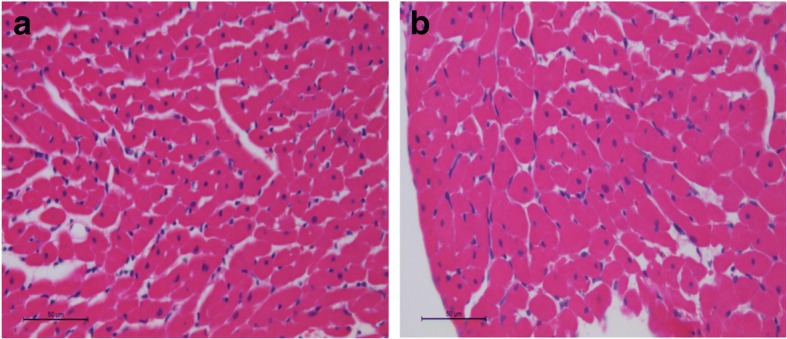
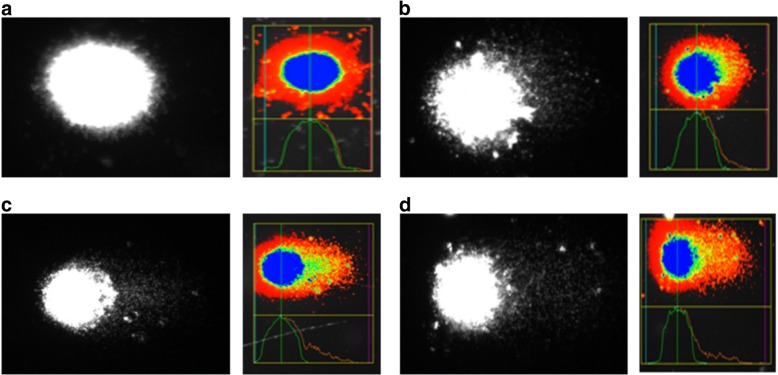
Results: Cardiac cotinine levels were elevated in the ETS group. In addition, the myocyte cross-sectional area was higher in the ETS group. (C = 266.6 ± 23.2 μm2 and ETS = 347.5 ± 15.1 μm2, p < 0.001). Cardiac LH was higher in the ETS group than in group C (C = 196.4 ± 51.5 nmol/g and ETS = 331.9 ± 52.9 nmol/g, p < 0.001). However, there were no between-group differences in cardiac protein carbonyl concentration or DNA damage.
Conclusions: Therefore, our results suggest that, in this model, lipid damage is a good marker of oxidative damage during the cardiac remodeling process induced by 2 months of exposure to tobacco smoke.
Keywords: Cigarette smoke; Comet assay; DNA damage; Protein carbonyl groups.
Conflict of interest statement
Ethics approval
All experiments and procedures were performed in accordance with the National Institute of Health Guide for the Care and Use of Laboratory Animals and were approved by the Animal Ethics Committee of Botucatu Medical School.
Consent for publication
Not applicable.
Competing interests
The authors declare that they have no competing interests.
Publisher’s Note
Springer Nature remains neutral with regard to jurisdictional claims in published maps and institutional affiliations.
Figures
References
Publication types
MeSH terms
Substances
LinkOut - more resources
Full Text Sources
