


Oral Probiotics Ameliorate the Behavioral Deficits Induced by Chronic Mild Stress in Mice via the Gut Microbiota-Inflammation Axis
- PMID: 30459574
- PMCID: PMC6232506
- DOI: 10.3389/fnbeh.2018.00266
Oral Probiotics Ameliorate the Behavioral Deficits Induced by Chronic Mild Stress in Mice via the Gut Microbiota-Inflammation Axis
Abstract
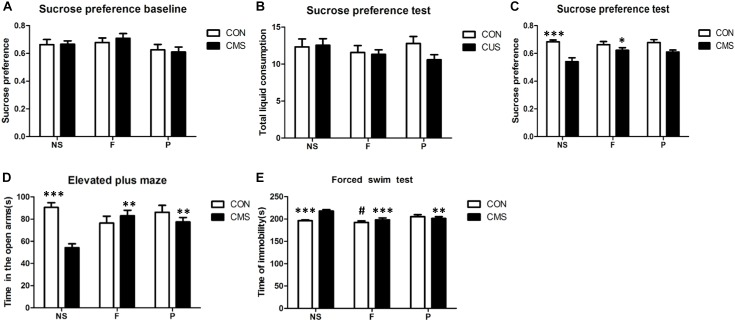
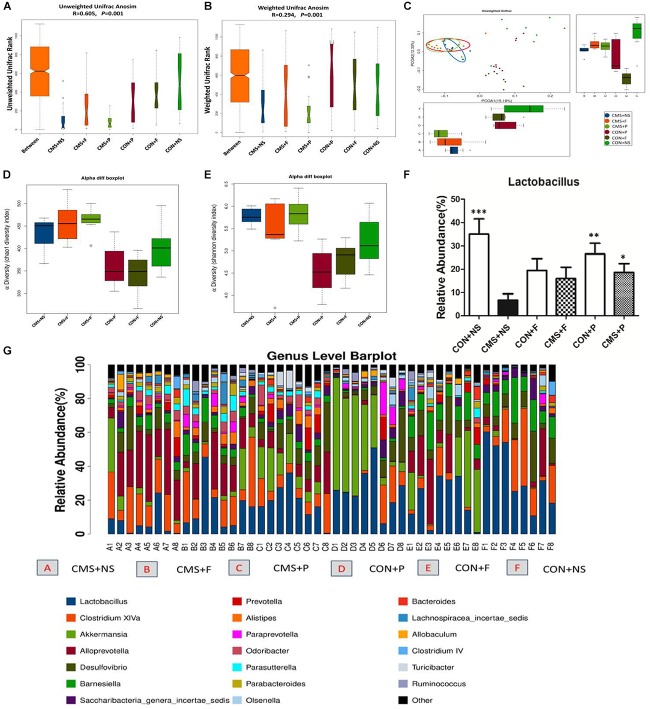
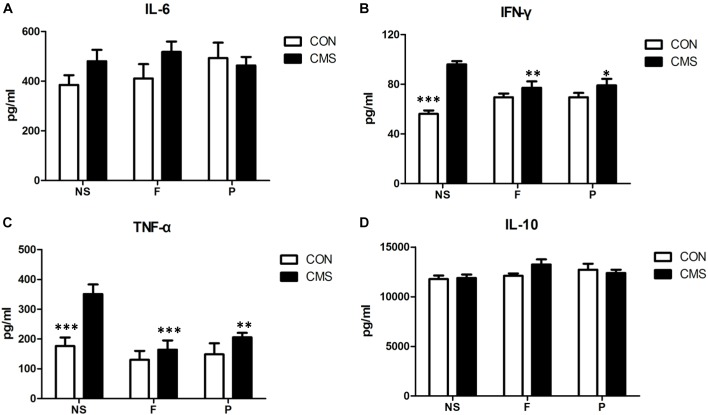
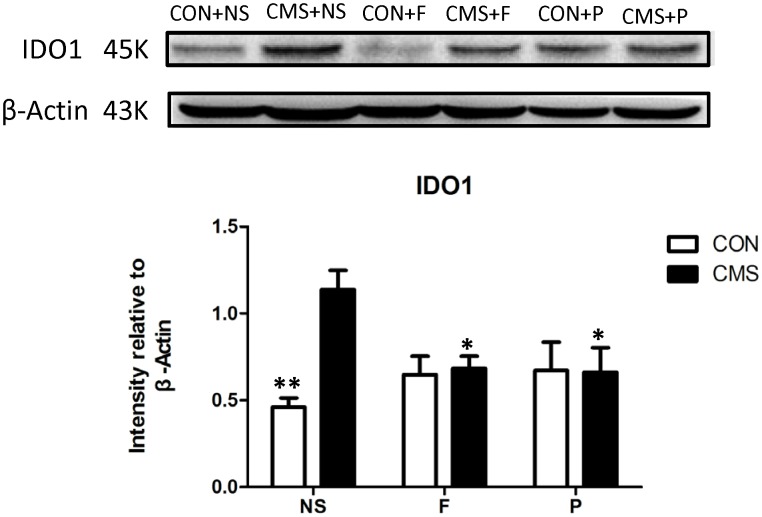
In recent years, a burgeoning body of research has revealed links between depression and the gut microbiota, leading to the therapeutic use of probiotics for stress-related disorders. In this study, we explored the potential antidepressant efficacy of a multi-strain probiotics treatment (Lactobacillus helveticus R0052, Lactobacillus plantarum R1012, and Bifidobacterium longum R0175) in a chronic mild stress (CMS) mouse model of depression and determined its probable mechanism of action. Our findings revealed that mice subjected to CMS exhibited anxiety- and depressive-like behaviors in the sucrose preference test, elevated plus maze, and forced swim test, along with increased interferon-γ, tumor necrosis factor-α, and indoleamine 2,3-dioxygenase-1 levels in the hippocampus. Moreover, the microbiota distinctly changed from the non-stress group and was characterized by highly diverse bacterial communities associated with significant reductions in Lactobacillus species. Probiotics attenuated CMS-induced anxiety- and depressive-like behaviors, significantly increased Lactobacillus abundance, and reversed the CMS-induced immune changes in the hippocampus. Thus, the possible mechanism involved in the antidepressant-like activity of probiotics is correlated with Lactobacillus species via the gut microbiota-inflammation-brain axis.
Keywords: 3-dioxygenase; Bifidobacteria; Lactobacillus; chronic mild stress; indoleamine 2; inflammation; microbiota; probiotics.
Figures
References
-
- Burokas A., Arboleya S., Moloney R. D., Peterson V. L., Murphy K., Clarke G., et al. (2017). Targeting the microbiota-gut-brain axis: prebiotics have anxiolytic and antidepressant-like effects and reverse the impact of chronic stress in mice. Biol. Psychiatry 82 472–487. 10.1016/j.biopsych.2016.12.031 - DOI - PubMed
LinkOut - more resources
Full Text Sources
Other Literature Sources
Research Materials
