Assessing breathing effort in mechanical ventilation: physiology and clinical implications
- PMID: 30460261
- PMCID: PMC6212364
- DOI: 10.21037/atm.2018.05.53
Assessing breathing effort in mechanical ventilation: physiology and clinical implications
Abstract
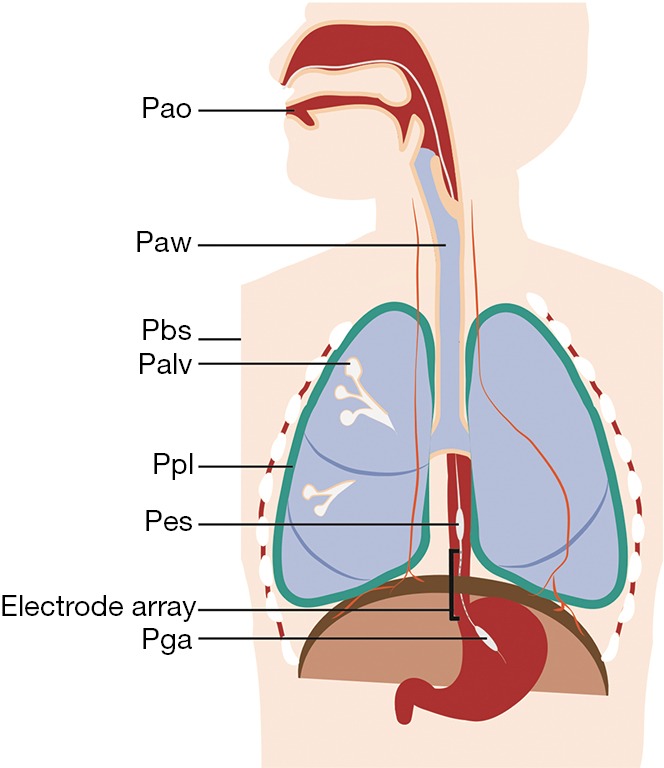
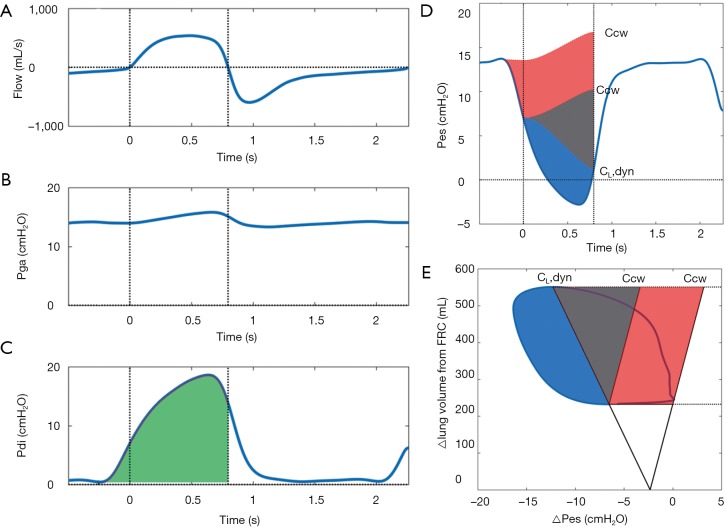
Recent studies have shown both beneficial and detrimental effects of patient breathing effort in mechanical ventilation. Quantification of breathing effort may allow the clinician to titrate ventilator support to physiological levels of respiratory muscle activity. In this review we will describe the physiological background and methodological issues of the most frequently used methods to quantify breathing effort, including esophageal pressure measurement, the work of breathing, the pressure-time-product, electromyography and ultrasound. We will also discuss the level of breathing effort that may be considered optimal during mechanical ventilation at different stages of critical illness.
Keywords: Breathing effort; critical illness; diaphragm; mechanical ventilation; monitoring.
Conflict of interest statement
Conflicts of Interest: L Heunks has received research support from Liberate Medical (USA) and Orion Pharma (Finland), and speakers fee from Getinge (Sweden). The other authors have no conflicts of interest to declare.
Figures
References
Publication types
LinkOut - more resources
Full Text Sources
Other Literature Sources
Medical