


Multi-drug resistant Enterobacter bugandensis species isolated from the International Space Station and comparative genomic analyses with human pathogenic strains
- PMID: 30466389
- PMCID: PMC6251167
- DOI: 10.1186/s12866-018-1325-2
Multi-drug resistant Enterobacter bugandensis species isolated from the International Space Station and comparative genomic analyses with human pathogenic strains
Abstract
Background: The antimicrobial resistance (AMR) phenotypic properties, multiple drug resistance (MDR) gene profiles, and genes related to potential virulence and pathogenic properties of five Enterobacter bugandensis strains isolated from the International Space Station (ISS) were carried out and compared with genomes of three clinical strains. Whole genome sequences of ISS strains were characterized using the hybrid de novo assembly of Nanopore and Illumina reads. In addition to traditional microbial taxonomic approaches, multilocus sequence typing (MLST) analysis was performed to classify the phylogenetic lineage. Agar diffusion discs assay was performed to test antibiotics susceptibility. The draft genomes after assembly and scaffolding were annotated with the Rapid Annotations using Subsystems Technology and RNAmmer servers for downstream analysis.
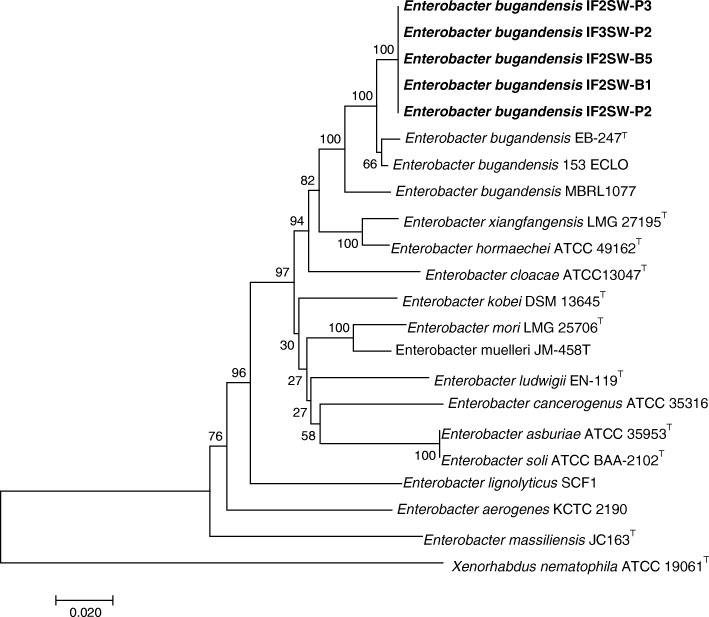
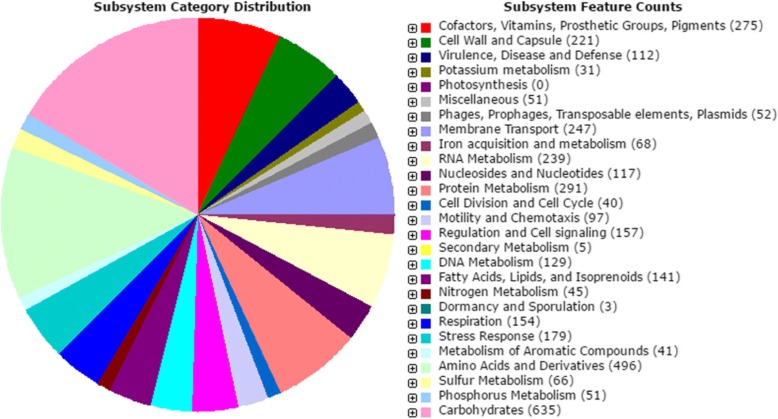
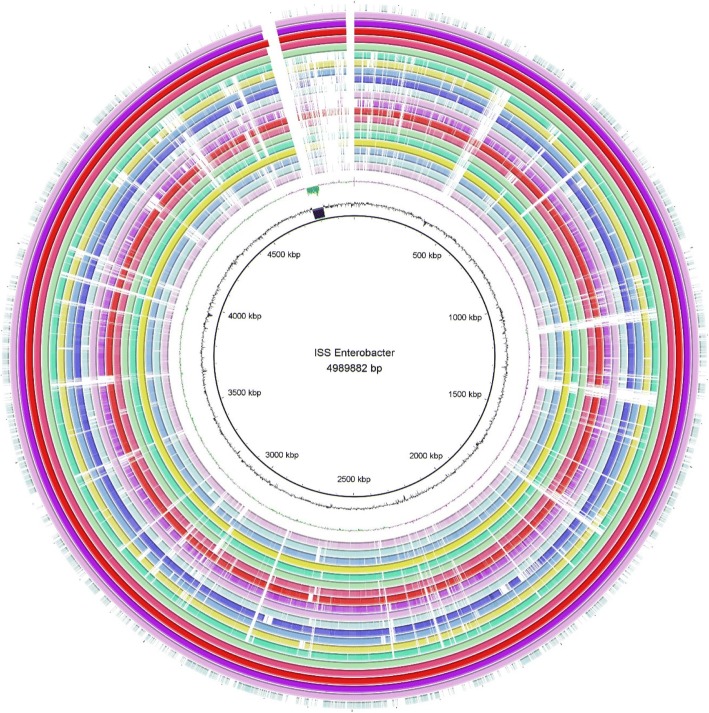
Results: Molecular phylogeny and whole genome analysis of the ISS strains with all publicly available Enterobacter genomes revealed that ISS strains were E. bugandensis and similar to the type strain EB-247T and two clinical isolates (153_ECLO and MBRL 1077). Comparative genomic analyses of all eight E. bungandensis strains showed, a total of 4733 genes were associated with carbohydrate metabolism (635 genes), amino acid and derivatives (496 genes), protein metabolism (291 genes), cofactors, vitamins, prosthetic groups, pigments (275 genes), membrane transport (247 genes), and RNA metabolism (239 genes). In addition, 112 genes identified in the ISS strains were involved in virulence, disease, and defense. Genes associated with resistance to antibiotics and toxic compounds, including the MDR tripartite system were also identified in the ISS strains. A multiple antibiotic resistance (MAR) locus or MAR operon encoding MarA, MarB, MarC, and MarR, which regulate more than 60 genes, including upregulation of drug efflux systems that have been reported in Escherichia coli K12, was also observed in the ISS strains.
Conclusion: Given the MDR results for these ISS Enterobacter genomes and increased chance of pathogenicity (PathogenFinder algorithm with > 79% probability), these species pose important health considerations for future missions. Thorough genomic characterization of the strains isolated from ISS can help to understand the pathogenic potential, and inform future missions, but analyzing them in in-vivo systems is required to discern the influence of microgravity on their pathogenicity.
Keywords: Enterobacter; International Space Station; Phylogenomic analyses.
Conflict of interest statement
Ethics approval and consent to participate
No formal ethics approval was required in this particular study.
Consent for publication
Not applicable.
Competing interests
The authors declare that they have no competing interests
Publisher’s Note
Springer Nature remains neutral with regard to jurisdictional claims in published maps and institutional affiliations.
Figures

References
-
- Chung YR, Brenner DJ, Steigerwalt AG, Kim BS, Kim HT, Cho KY. Enterobacter pyrinus sp. nov., an organism associated with Brown leaf spot disease of pear trees. Int J Syst Evol Microbiol. 1993;43(1):157–161.
Publication types
MeSH terms
Substances
Grants and funding
LinkOut - more resources
Full Text Sources
Other Literature Sources
Molecular Biology Databases
