Review
. 2018 Nov 27;72(21):2625-2641.
doi: 10.1016/j.jacc.2018.09.042.

Coronary Microvascular Disease Pathogenic Mechanisms and Therapeutic Options: JACC State-of-the-Art Review

Affiliations
Review

Coronary Microvascular Disease Pathogenic Mechanisms and Therapeutic Options: JACC State-of-the-Art Review

Viviany R Taqueti et al. J Am Coll Cardiol. .

Abstract

Coronary microvascular disease (CMD) refers to the subset of disorders affecting the structure and function of the coronary microcirculation, is prevalent in patients across a broad spectrum of cardiovascular risk factors, and is associated with an increased risk of adverse events. Contemporary evidence supports that most patients with CMD also have macrovessel atherosclerosis, which has important implications for their prognosis and management. In this state-of-the-art review, the authors summarize the pathophysiology of CMD, provide an update of diagnostic testing strategies, and classify CMD into phenotypes according to severity and coexistence with atherosclerosis. They examine emerging data highlighting the significance of CMD in specific populations, including obesity and insulin resistance, myocardial injury and heart failure with preserved ejection fraction, and nonobstructive and obstructive coronary artery disease. Finally, they discuss the role of CMD as a potential target for novel interventions beyond conventional approaches, representing a new frontier in cardiovascular disease reduction.

Keywords: coronary flow reserve; coronary microvascular dysfunction; heart failure with preserved ejection fraction; ischemic heart disease; nonobstructive coronary artery disease.


Figures

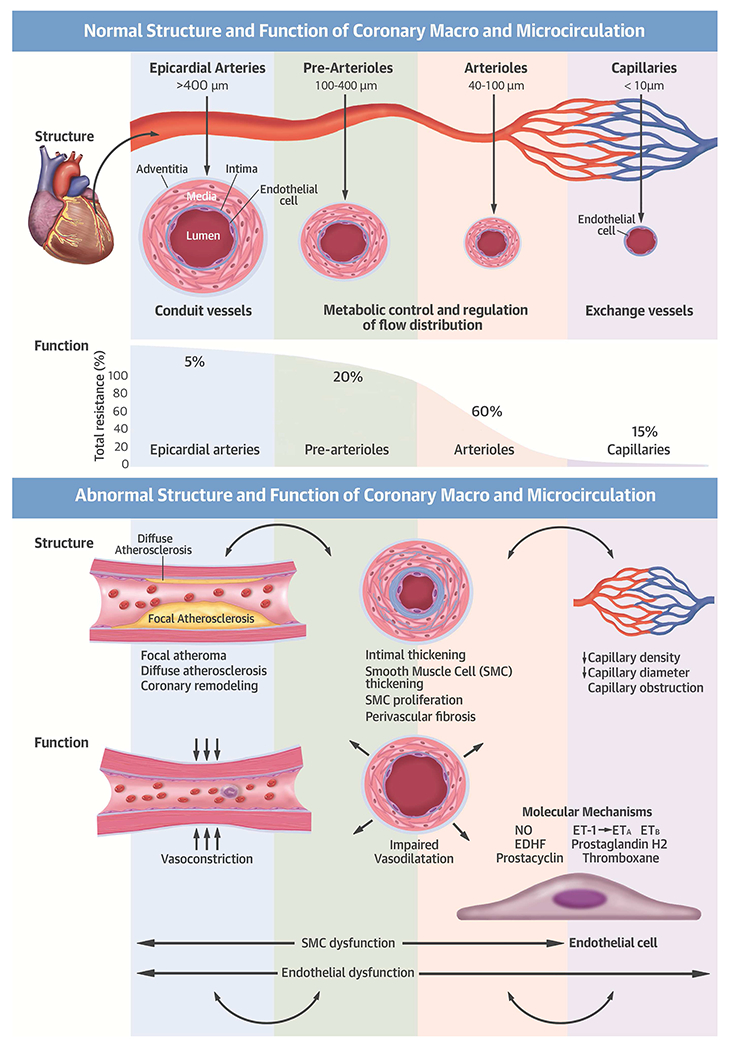
Central Illustration:
Central Illustration:. Normal and Abnormal Structure and Function of the Coronary Macro- and Microcirculation.
Ca2+ = calcium; EDHF = endothelium-derived hyperpolarizing factor; EnNac = endothelial sodium channel; eNOS = endothelial nitric oxide synthase; ET-1 = endothelin-1, ETA/ETB = endothelin receptors; NO – nitrous oxide; SKCa= small-conductance Ca2+-activated potassium channels SMC = smooth muscle cell; T. = tunica.
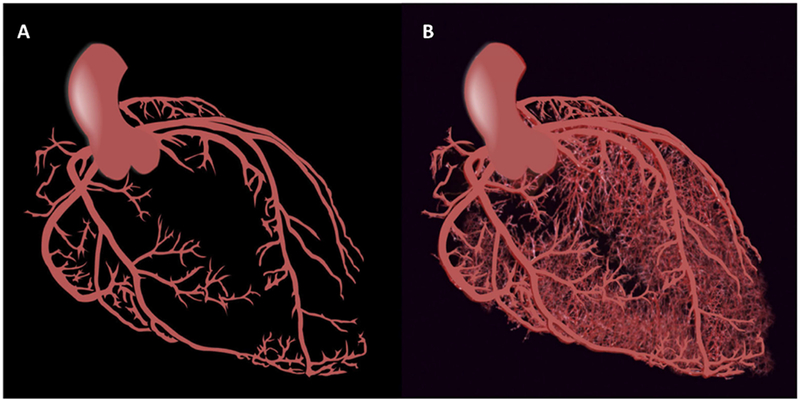
Figure 1:
Figure 1:. Schematic of the Epicardial Coronary Arteries and the Full Coronary Circulation.
(A) Macrocirculation. (B) Macro- and microcirculation.
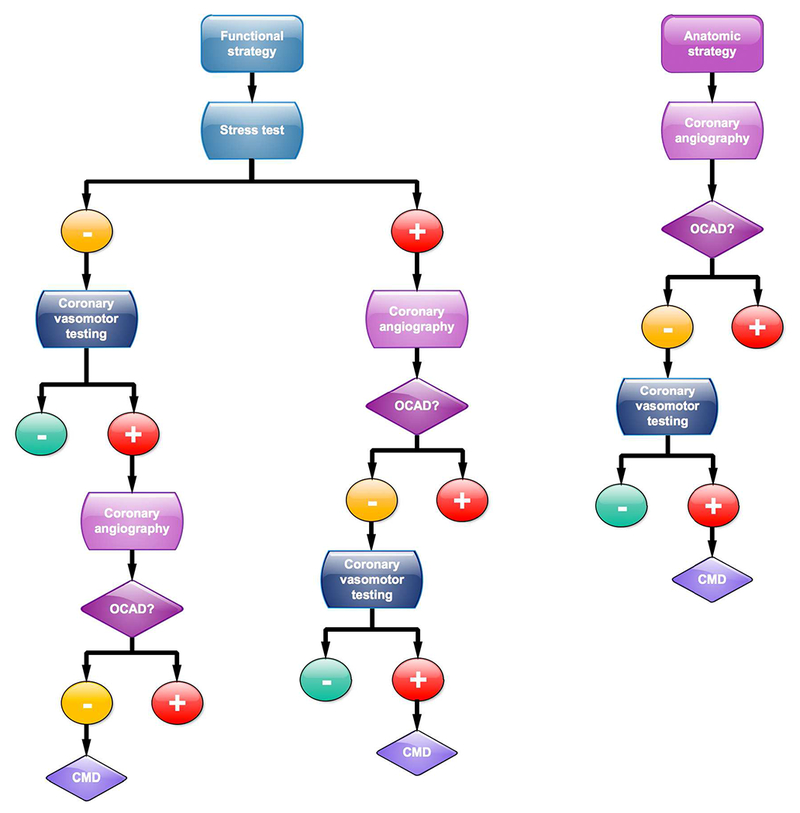
Figure 2:
Figure 2:. Extended Algorithm of Diagnostic Testing Strategies in Suspected IHD.
Whether a functional or anatomic strategy is pursued first, unexplained symptoms and findings merit consideration for testing of coronary microvascular disease (CMD). Please refer to the section on the Diagnostic Testing Strategy for CMD for a more detailed explanation of this conceptual diagnostic algorithm. IHD = ischemic heart disease; oCAD = obstructive coronary artery disease
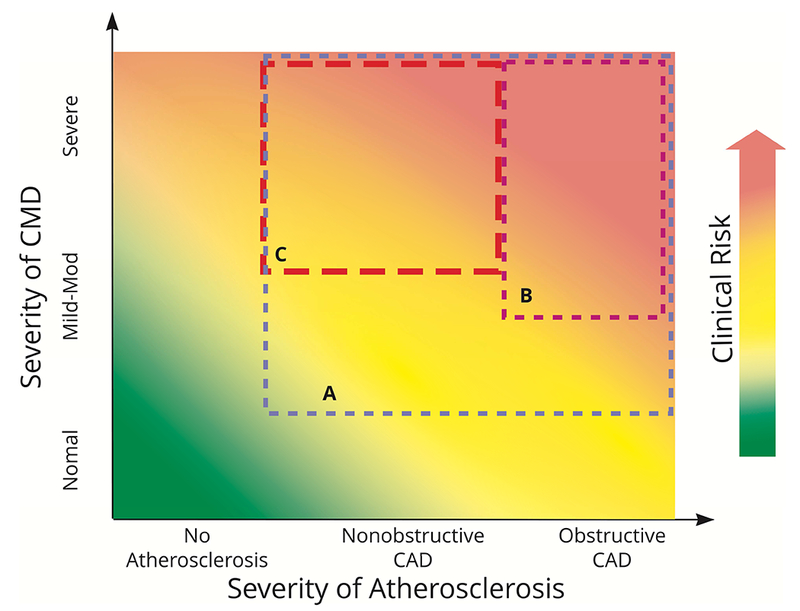
Figure 3:
Figure 3:. Interplay of CMD, CAD, and Clinical Risk Across Thresholds of Severity.
Boxes represent different CMD phenotypes of particular therapeutic interest. (A) CMD with CAD; (B) moderate-severe CMD with obstructive CAD; (C) moderate-severe CMD with nonobstructive CAD. CAD = coronary artery disease; CMD = coronary microvascular disease.
Figure 4:
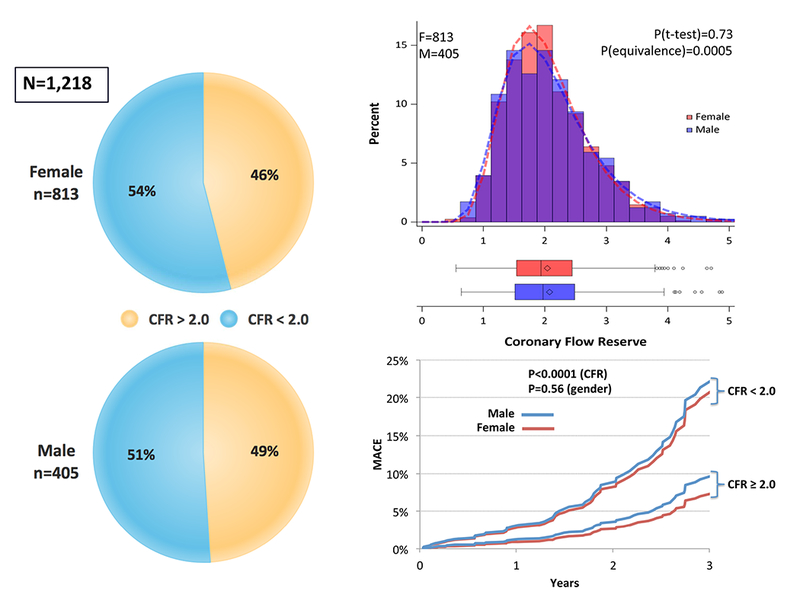
Figure 4:. Prevalence, Severity, and Clinical Risk Associated With CMD.
CMD is defined by cardiac PET/CT coronary flow reserve (CFR) <2 in patients without overt obstructive coronary artery disease. Reprinted, with permission, from Murthy et al. (15). CMD = coronary microvascular disease; MACE = major adverse cardiovascular events.
Figure 5:
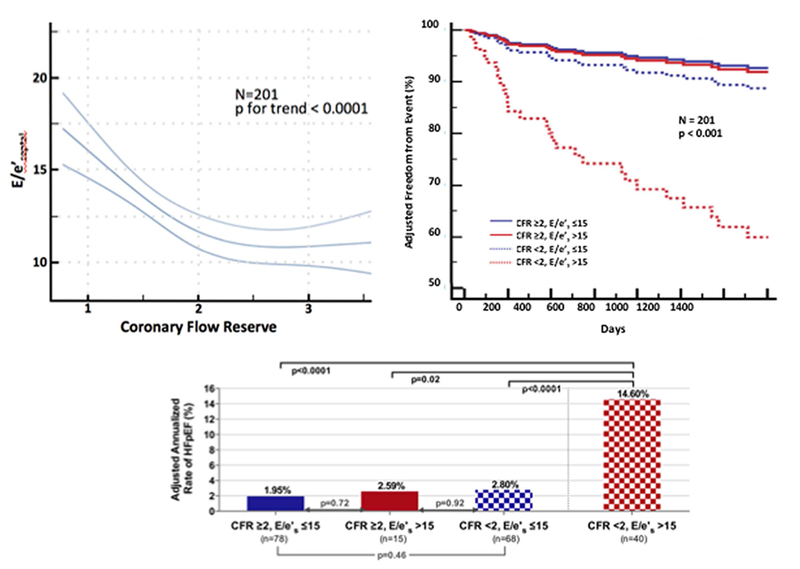
Figure 5:. Relationship Between CMD, Diastolic Dysfunction, and Rate of Hospitalization for HFpEF.
CMD is defined by cardiac PET/CT coronary flow reserve, CFR, <2 in patients without overt obstructive coronary artery disease, Diastolic dysfunction was measured by transthoracic echocardiography E/e’. Modified, with permission, from Taqueti et al. (49).
Figure 6:
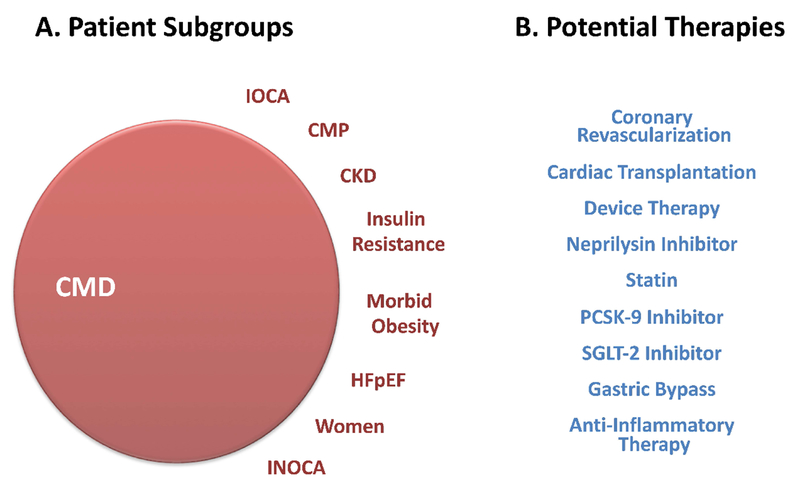
Figure 6:. Conceptual Illustration of Overlapping Phenotypes in CMD and Potential Therapeutic Strategies.
(A) CMD phenotypes. (B) Potential therapeutic strategies. CMP = cardiomyopathy; CKD = chronic kidney disease; GLP-1 = glucagon-like peptide-1; HFpEF = heart failure with preserved ejection fraction; INOCA = ischemia and no obstructive CAD; IOCA = ischemia and obstructive CAD; PCSK-9 = pro-protein convertase subtilisin/kexin type 9; SGLT-2 = sodium-glucose cotransporter-2.

References

    1. Benjamin EJ, Virani SS, Callaway CW, et al.; American Heart Association Council on Epidemiology and Prevention Statistics Committee and Stroke Statistics Subcommittee. Heart disease and stroke statistics-2018 update: a report from the American Heart Association [Published correction appears in Circulation 2018;137:e493]. Circulation 2018;137:e67–e492. - PubMed
    1. Jespersen L, Hvelplund A, Abildstrøm SZ, et al. Stable angina pectoris with no obstructive coronary artery disease is associated with increased risks of major adverse cardiovascular events. Eur Heart J 2012;33:734–44. - PubMed
    1. Maddox TM, Stanislawski MA, Grunwald GK, et al. Nonobstructive coronary artery disease and risk of myocardial infarction. JAMA 2014;312:1754–63. - PMC - PubMed
    1. Patel MR, Peterson ED, Dai D, et al. Low diagnostic yield of elective coronary angiography [Published correction appears in N Engl J Med 2010;363:498]. N Engl J Med 2010;362:886–95. - PMC - PubMed
    1. Rozanski A, Gransar H, Hayes SW, et al. Temporal trends in the frequency of inducible myocardial ischemia during cardiac stress testing: 1991 to 2009. J Am Coll Cardiol 2013;61:1054–65. - PubMed

Publication types

MeSH terms