Corollary discharge in precerebellar nuclei of sleeping infant rats
- PMID: 30516134
- PMCID: PMC6281370
- DOI: 10.7554/eLife.38213
Corollary discharge in precerebellar nuclei of sleeping infant rats
Abstract
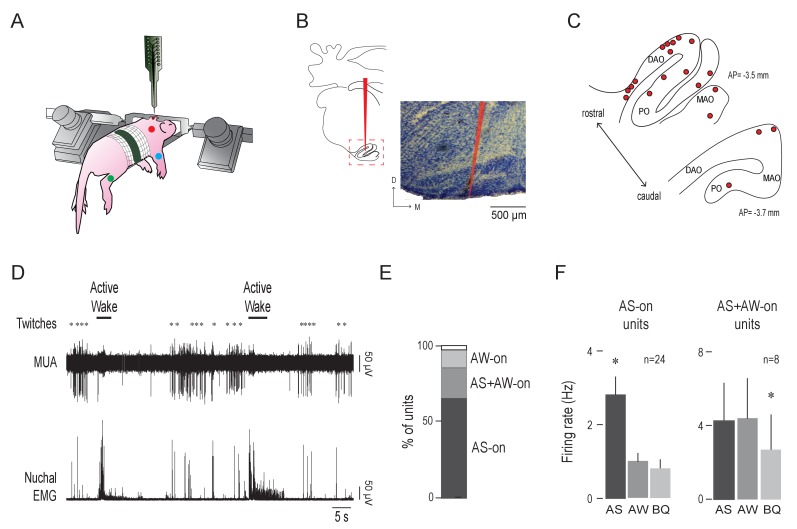
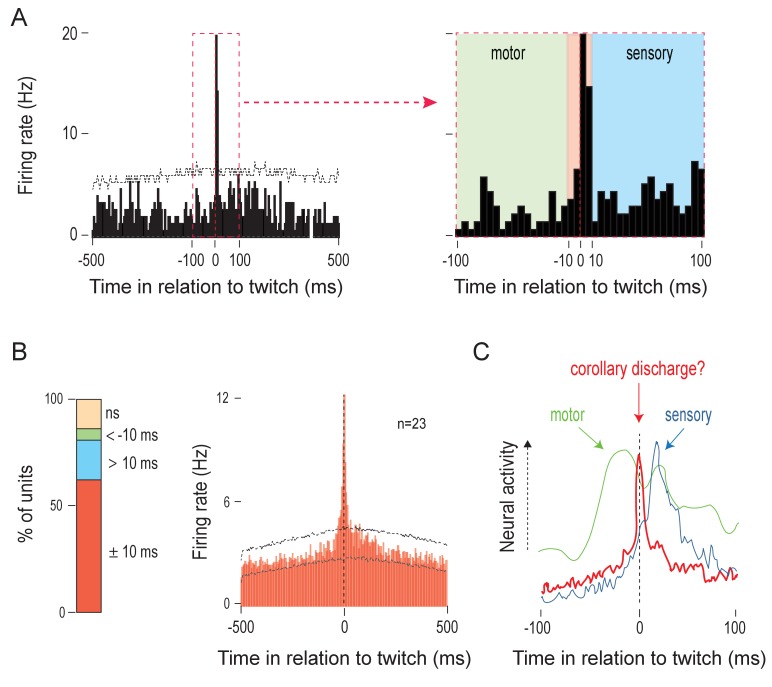
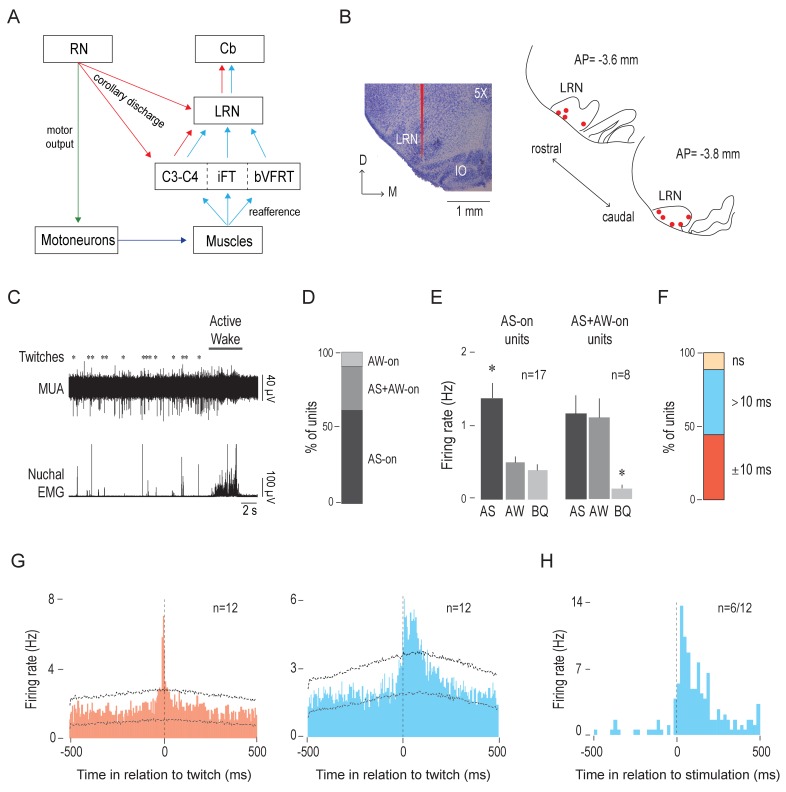
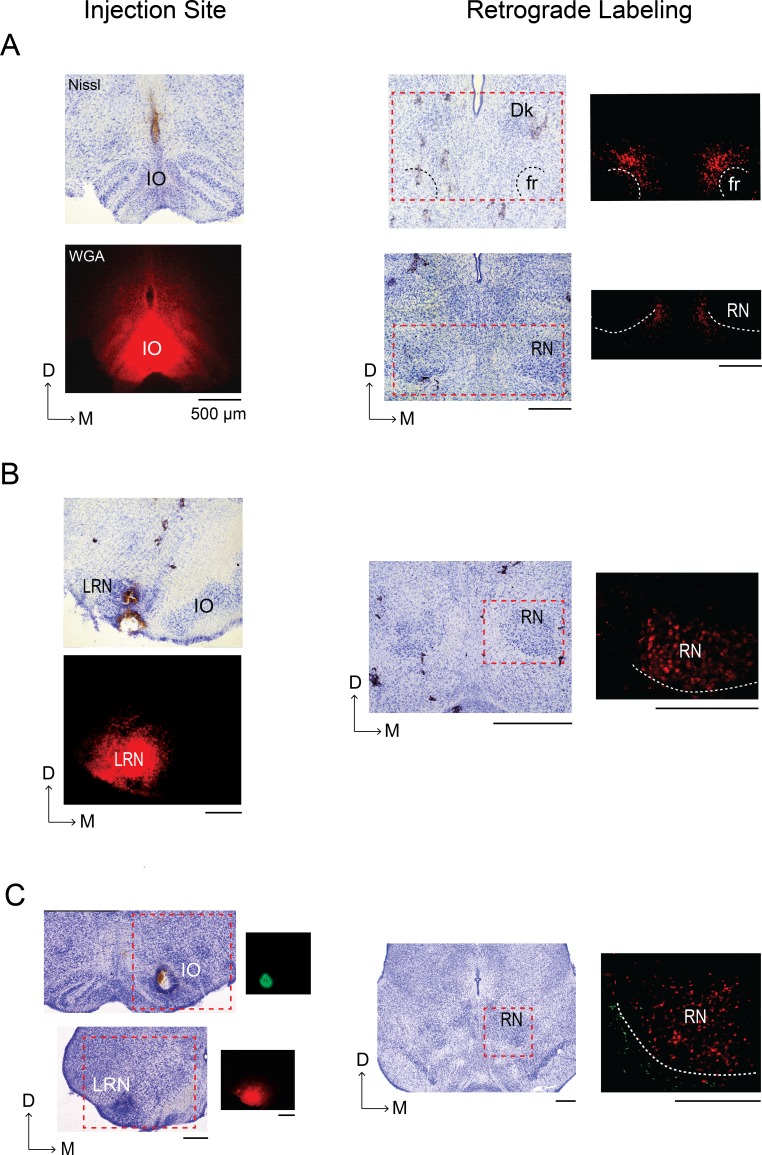
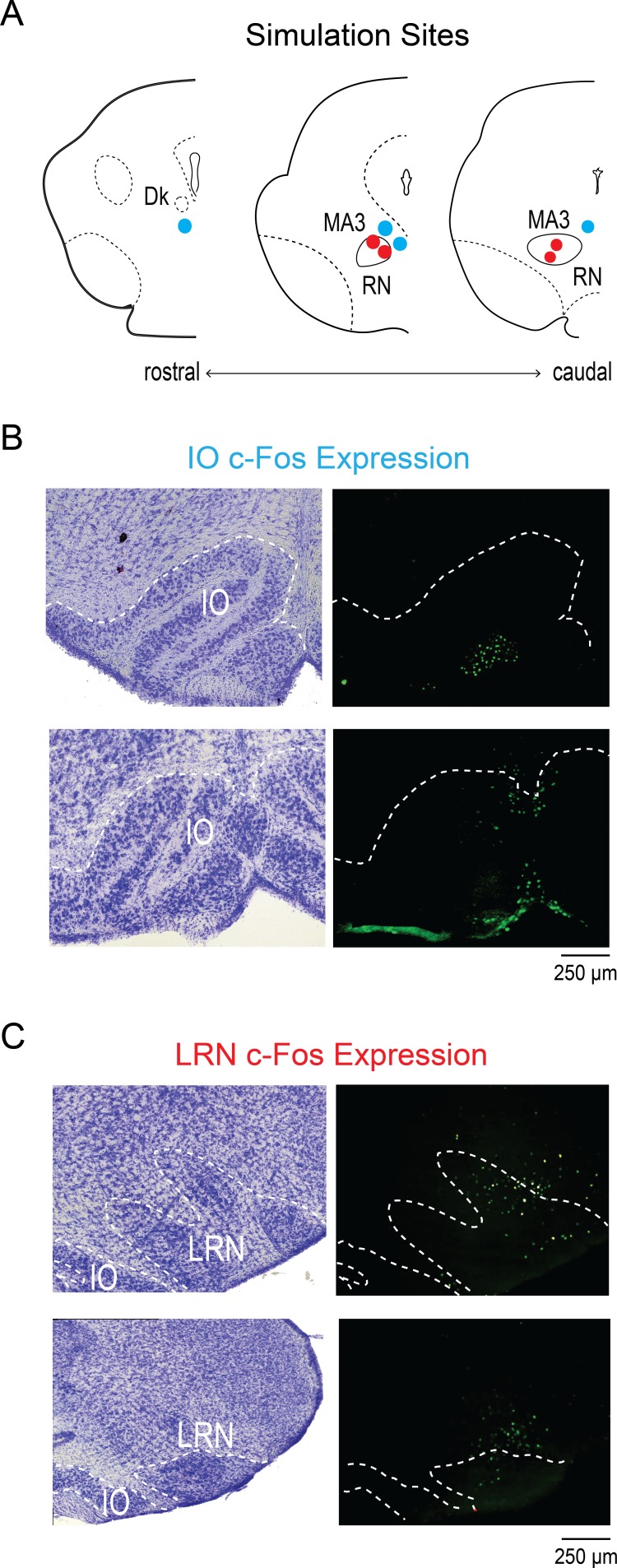
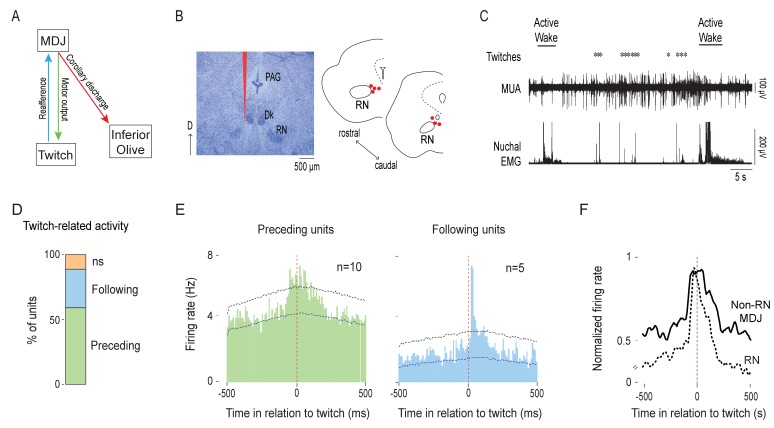
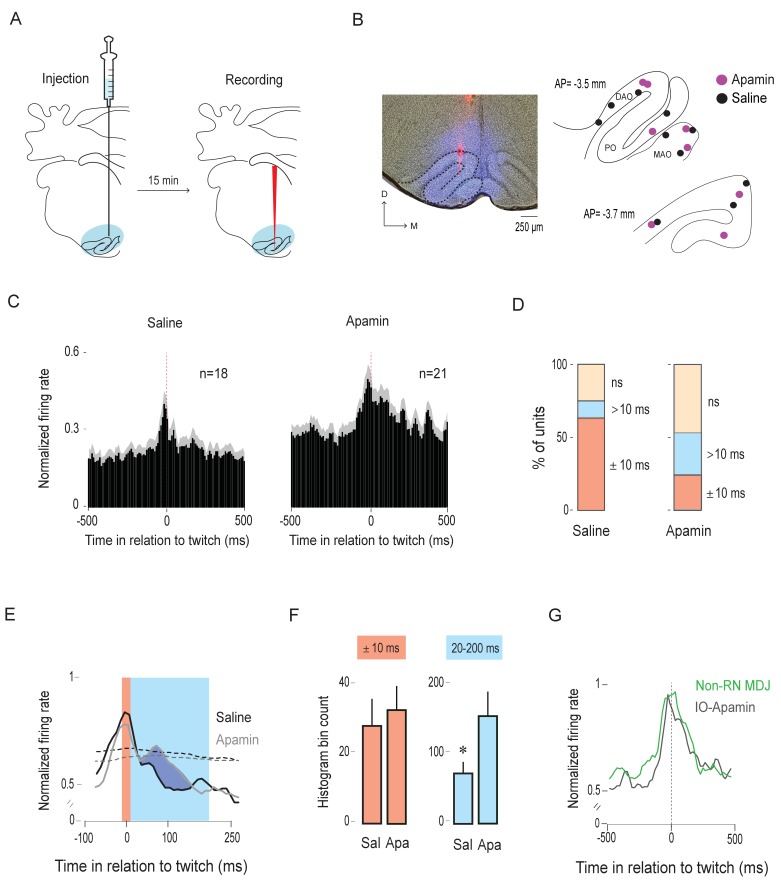
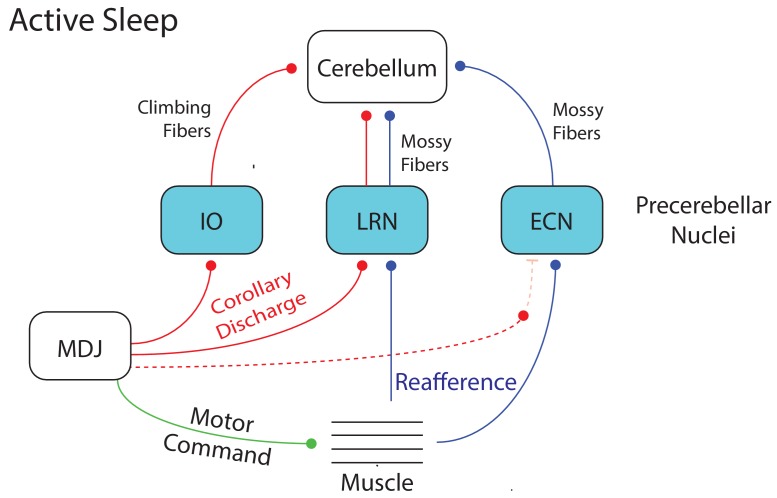
In week-old rats, somatosensory input arises predominantly from external stimuli or from sensory feedback (reafference) associated with myoclonic twitches during active sleep. A previous study suggested that the brainstem motor structures that produce twitches also send motor copies (or corollary discharge, CD) to the cerebellum. We tested this possibility by recording from two precerebellar nuclei-the inferior olive (IO) and lateral reticular nucleus (LRN). In most IO and LRN neurons, twitch-related activity peaked sharply around twitch onset, consistent with CD. Next, we identified twitch-production areas in the midbrain that project independently to the IO and LRN. Finally, we blocked calcium-activated slow potassium (SK) channels in the IO to explain how broadly tuned brainstem motor signals can be transformed into precise CD signals. We conclude that the precerebellar nuclei convey a diversity of sleep-related neural activity to the developing cerebellum to enable processing of convergent input from CD and reafferent signals.
Keywords: REM sleep; cerebellum; inferior olive; lateral reticular nucleus; myoclonic twitch; neuroscience; rat; sensorimotor.
© 2018, Mukherjee et al.
Conflict of interest statement
DM, GS, MB No competing interests declared
Figures



References
Publication types
MeSH terms
Substances
Grants and funding
LinkOut - more resources
Full Text Sources
Other Literature Sources