


A high-fat diet alters genome-wide DNA methylation and gene expression in SM/J mice
- PMID: 30526554
- PMCID: PMC6286549
- DOI: 10.1186/s12864-018-5327-0
A high-fat diet alters genome-wide DNA methylation and gene expression in SM/J mice
Abstract
Background: While the genetics of obesity has been well defined, the epigenetics of obesity is poorly understood. Here, we used a genome-wide approach to identify genes with differences in both DNA methylation and expression associated with a high-fat diet in mice.
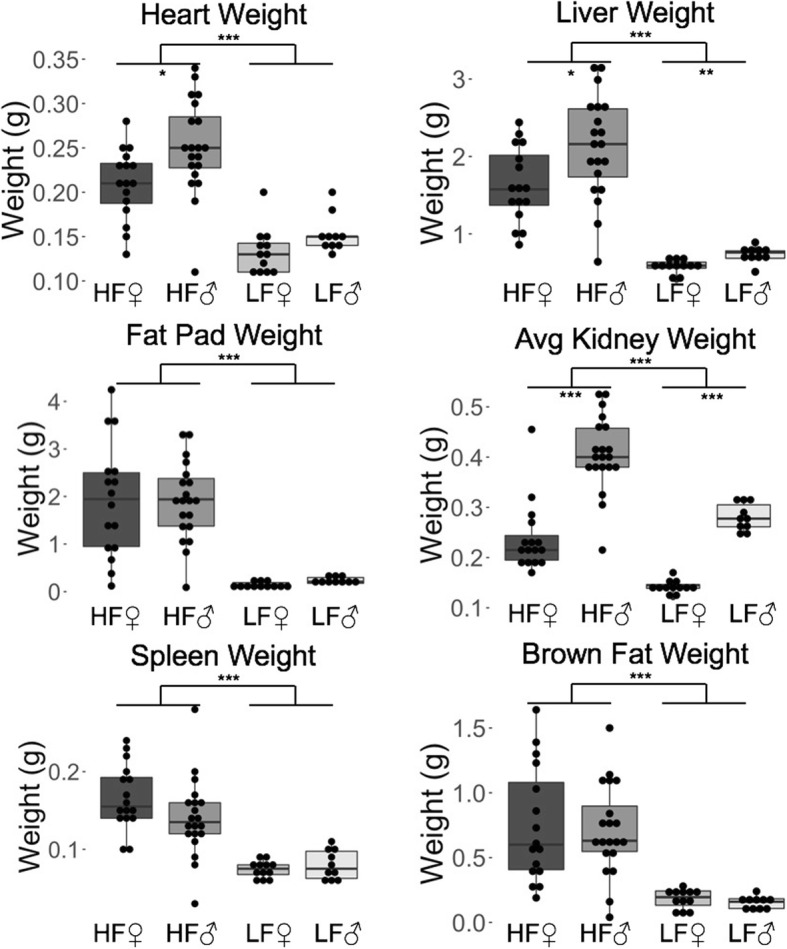
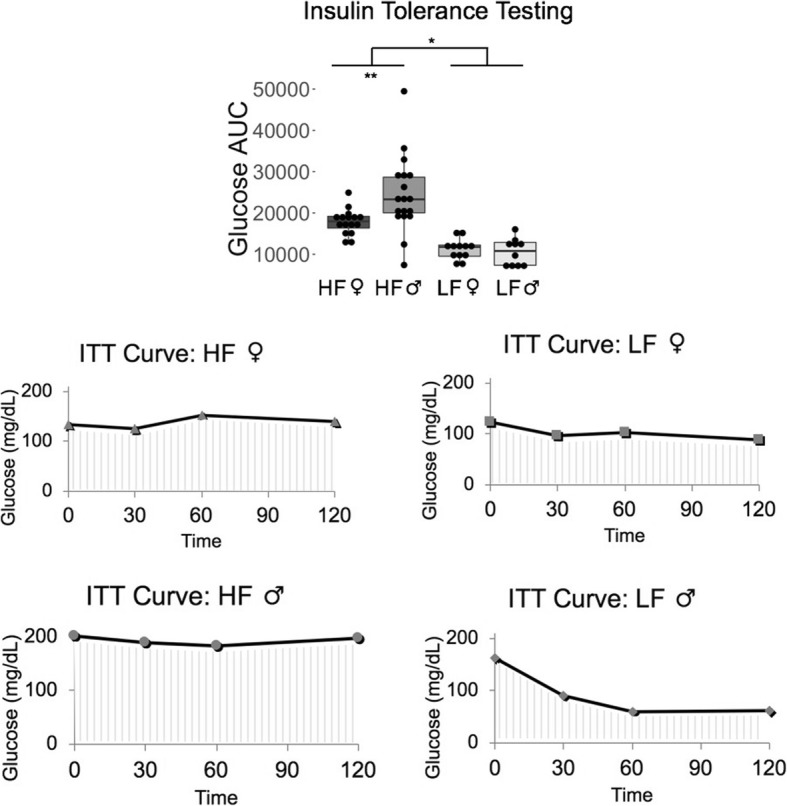
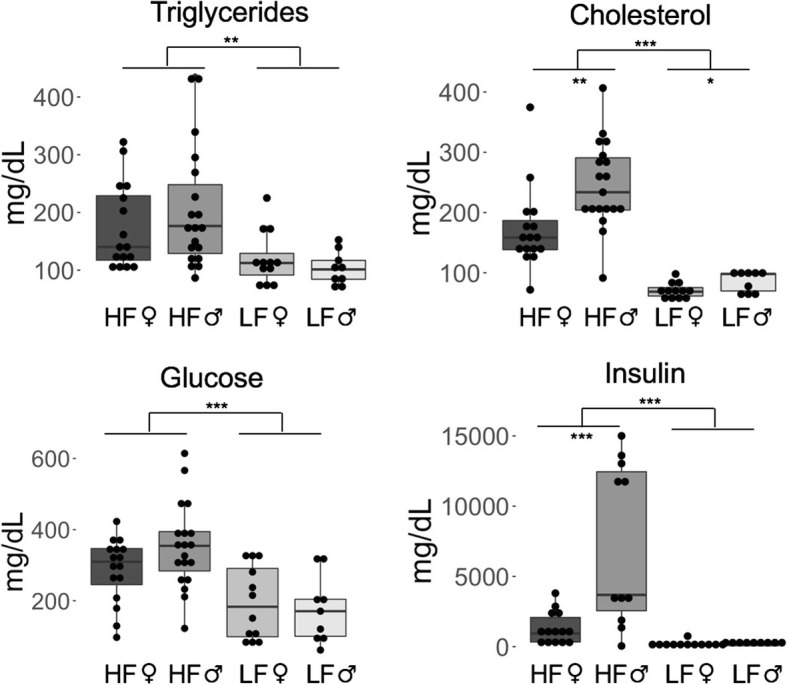
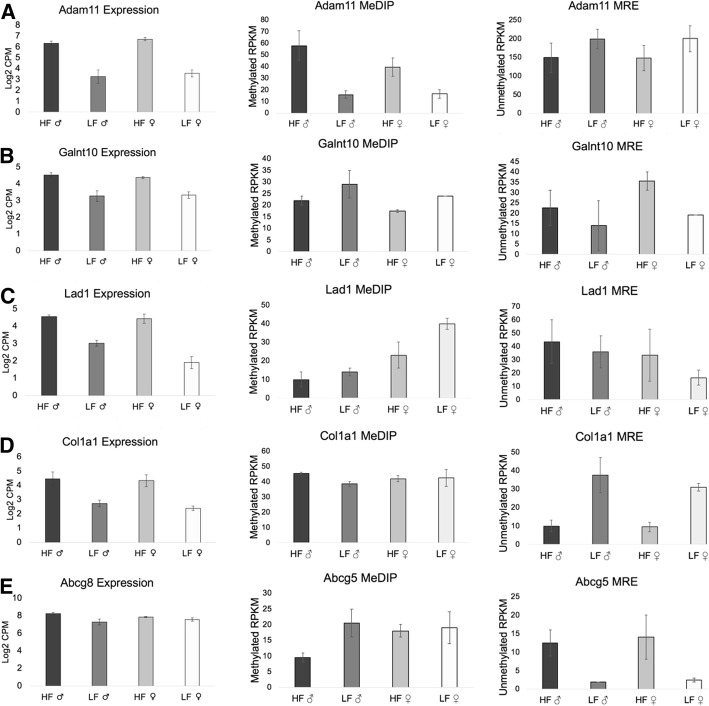
Results: We weaned genetically identical Small (SM/J) mice onto a high-fat or low-fat diet and measured their weights weekly, tested their glucose and insulin tolerance, assessed serum biomarkers, and weighed their organs at necropsy. We measured liver gene expression with RNA-seq (using 21 total libraries, each pooled with 2 mice of the same sex and diet) and DNA methylation with MRE-seq and MeDIP-seq (using 8 total libraries, each pooled with 4 mice of the same sex and diet). There were 4356 genes with expression differences associated with diet, with 184 genes exhibiting a sex-by-diet interaction. Dietary fat dysregulated several pathways, including those involved in cytokine-cytokine receptor interaction, chemokine signaling, and oxidative phosphorylation. Over 7000 genes had differentially methylated regions associated with diet, which occurred in regulatory regions more often than expected by chance. Only 5-10% of differentially methylated regions occurred in differentially expressed genes, however this was more often than expected by chance (p = 2.2 × 10- 8).
Conclusions: Discovering the gene expression and methylation changes associated with a high-fat diet can help to identify new targets for epigenetic therapies and inform about the physiological changes in obesity. Here, we identified numerous genes with altered expression and methylation that are promising candidates for further study.
Keywords: Diet; Epigenetics; Gene expression; Methylation; Mice; Obesity; RNA-seq.
Conflict of interest statement
Ethics approval and consent to participate
This study received ethics approval from Loyola University, followed an approved Institutional Animal Care and Use Committee protocol (Project #1188).
Consent for publication
Not applicable.
Competing interests
The authors declare that they have no competing interests.
Publisher’s Note
Springer Nature remains neutral with regard to jurisdictional claims in published maps and institutional affiliations.
Figures



References
MeSH terms
Substances
Grants and funding
- R01 HG007175/HG/NHGRI NIH HHS/United States
- U01 CA200060/CA/NCI NIH HHS/United States
- # UL1TR000448/RR/NCRR NIH HHS/United States
- P30 CA091842/CA/NCI NIH HHS/United States
- P30 CA91842/CA/NCI NIH HHS/United States
- P30 DK020579/DK/NIDDK NIH HHS/United States
- R25 DA027995/DA/NIDA NIH HHS/United States
- U24 ES026699/ES/NIEHS NIH HHS/United States
- UL1 TR002345/TR/NCATS NIH HHS/United States
- R01 HG007354/HG/NHGRI NIH HHS/United States
- U01 HG009391/HG/NHGRI NIH HHS/United States
- R01 ES024992/ES/NIEHS NIH HHS/United States
- UL1 TR000448/TR/NCATS NIH HHS/United States
LinkOut - more resources
Full Text Sources
Molecular Biology Databases
