


Hepatitis E prevalence in French Polynesian blood donors
- PMID: 30532225
- PMCID: PMC6286134
- DOI: 10.1371/journal.pone.0208934
Hepatitis E prevalence in French Polynesian blood donors
Abstract
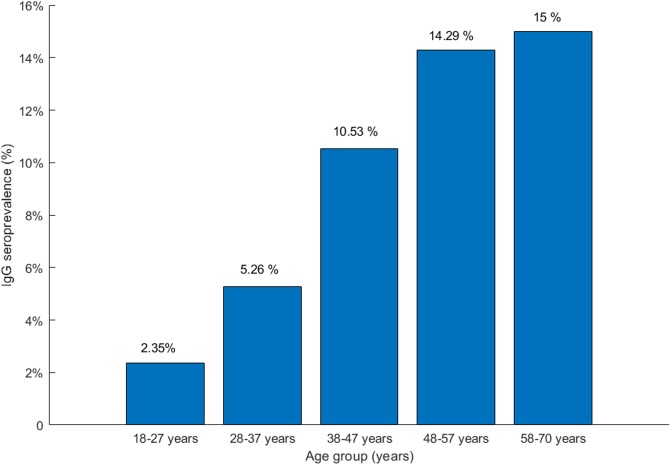
The HEV seroprevalence in mainland France is elevated (22.4%). In contrast, anti-HEV seroprevalence appears to be lower in Oceania. However, none is available for French Polynesia. We assessed the anti-HEV IgG and IgM prevalence on samples from 300 consecutive blood donors living on Tahiti and Moorea islands. Epidemiological information was collected using a specific questionnaire. Overall IgM seroprevalence was 0.6% and overall IgG seroprevalence was 7.7%. The presence of anti-HEV IgG was associated with increasing age (p = 0.01), eating chicken offal (p = 0.01) and cooked rabbit (p = 0.02). Conversely, eating fafaru-traditional Polynesian condiment-was associated with a lower rate of anti-HEV IgG (p<0.01).). All donors who surfed or practiced va'a (traditional outrigger canoë) were HEV seronegative. The Polynesian lifestyle and the particular food consumption patterns-especially the very well cooked pork-may be the key to understand the low HEV seroprevalence in French Polynesia.
Conflict of interest statement
The authors have declared that no competing interests exist.
Figures
References
-
- WHO. Hepatitis E. WHO http://www.who.int/mediacentre/factsheets/fs280/en/.
-
- Cleland A, Smith L, Crossan C, Blatchford O, Dalton HR, Scobie L, et al. Hepatitis E virus in Scottish blood donors. Vox Sang. 2013;105(4):283–9. 10.1111/vox.12056 - DOI - PubMed
-
- Wenzel JJ, Preiss J, Schemmerer M, Huber B, Jilg W. Test performance characteristics of Anti-HEV IgG assays strongly influence hepatitis E seroprevalence estimates. J Infect Dis. 2012;207(3):497–500. 10.1093/infdis/jis688 - DOI - PubMed
-
- Dalton HR, Fellows HJ, Gane EJ, Wong P, Gerred S, Schroeder B, et al. Hepatitis E in new zealand. J Gastroenterol Hepatol. 2007;22(8):1236–40. 10.1111/j.1440-1746.2007.04894.x - DOI - PubMed
-
- Hewitt J, Harte D, Sutherland M, Croucher D, Fouche L, Flanagan P, et al. Prevalence of hepatitis E virus antibodies and infection in New Zealand blood donors. N Z Med J. 2018;131(1469):38–43. - PubMed
MeSH terms
Substances
LinkOut - more resources
Full Text Sources
Medical
