


doi: 10.1021/jacs.8b09756.
Epub 2018 Dec 11.
Chemical Interventions for the Opioid Crisis: Key Advances and Remaining Challenges
Affiliations
- PMID: 30532973
- PMCID: PMC10681095
- DOI: 10.1021/jacs.8b09756
Item in Clipboard
Chemical Interventions for the Opioid Crisis: Key Advances and Remaining Challenges
J Am Chem Soc.
.
Abstract
The present United States opioid crisis requires urgent and innovative scientific intervention. This perspective highlights a role for the chemical sciences by expounding upon three key research areas identified as priorities by the National Institute on Drug Abuse (NIDA). Specifically, important advances in chemical interventions for overdose reversal, strategies for opioid use disorder (OUD) treatment, including immunopharmacotherapies, and next-generation alternatives for pain management will be discussed. Ultimately, progress made will be presented in light of remaining challenges for the field.
Conflict of interest statement
The authors declare no competing financial interest.
Figures
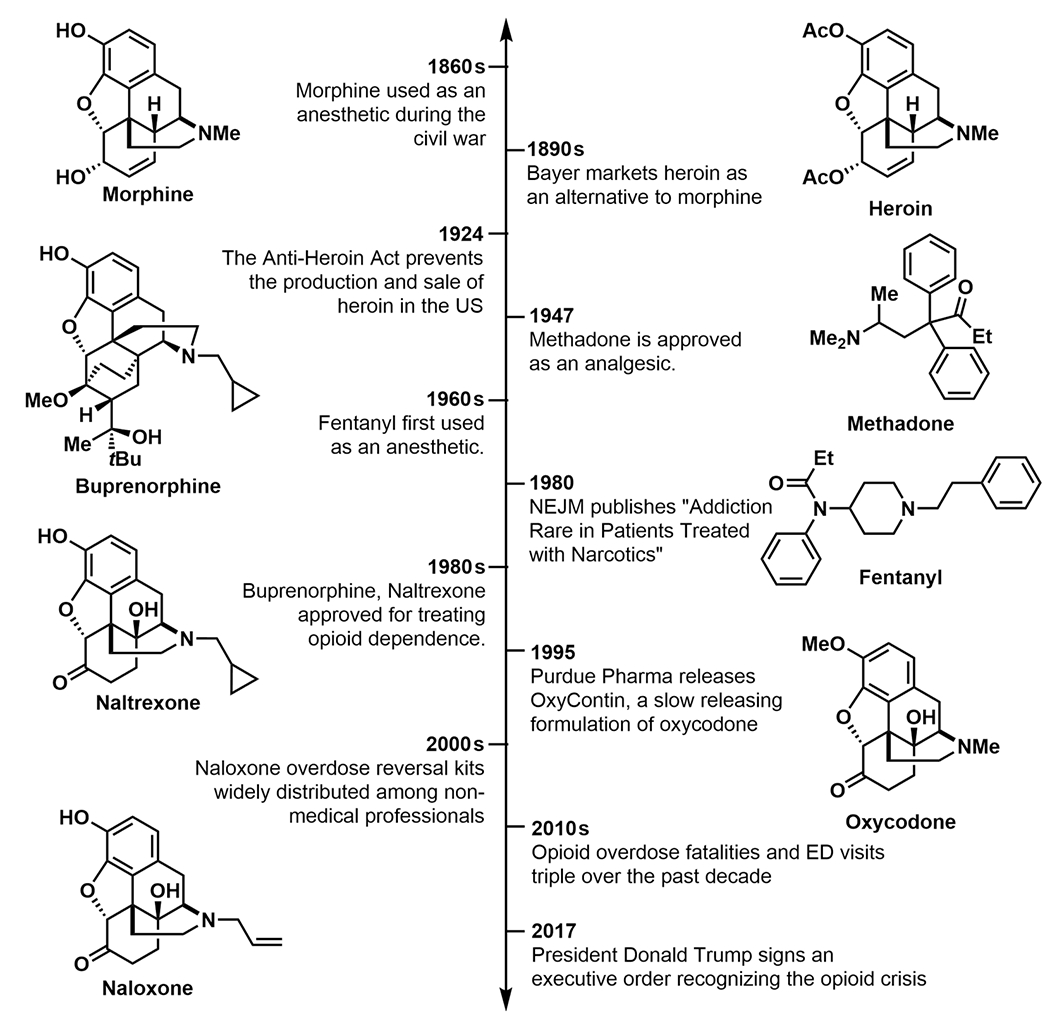
Timeline of defining events in the opioid crisis.
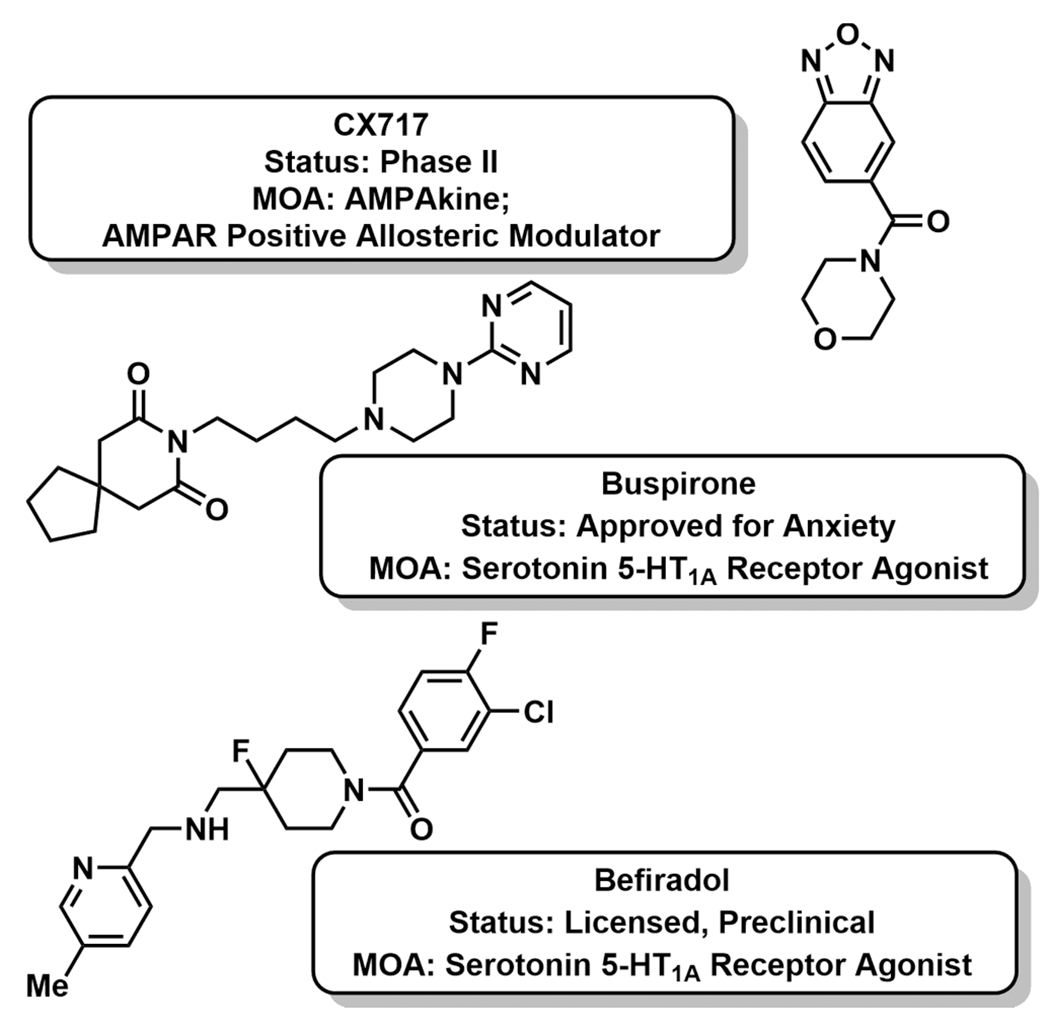
Investigatory AMPAkine and 5-HT1A modulators for opioid-induced respiratory depression (OIRD) reversal.
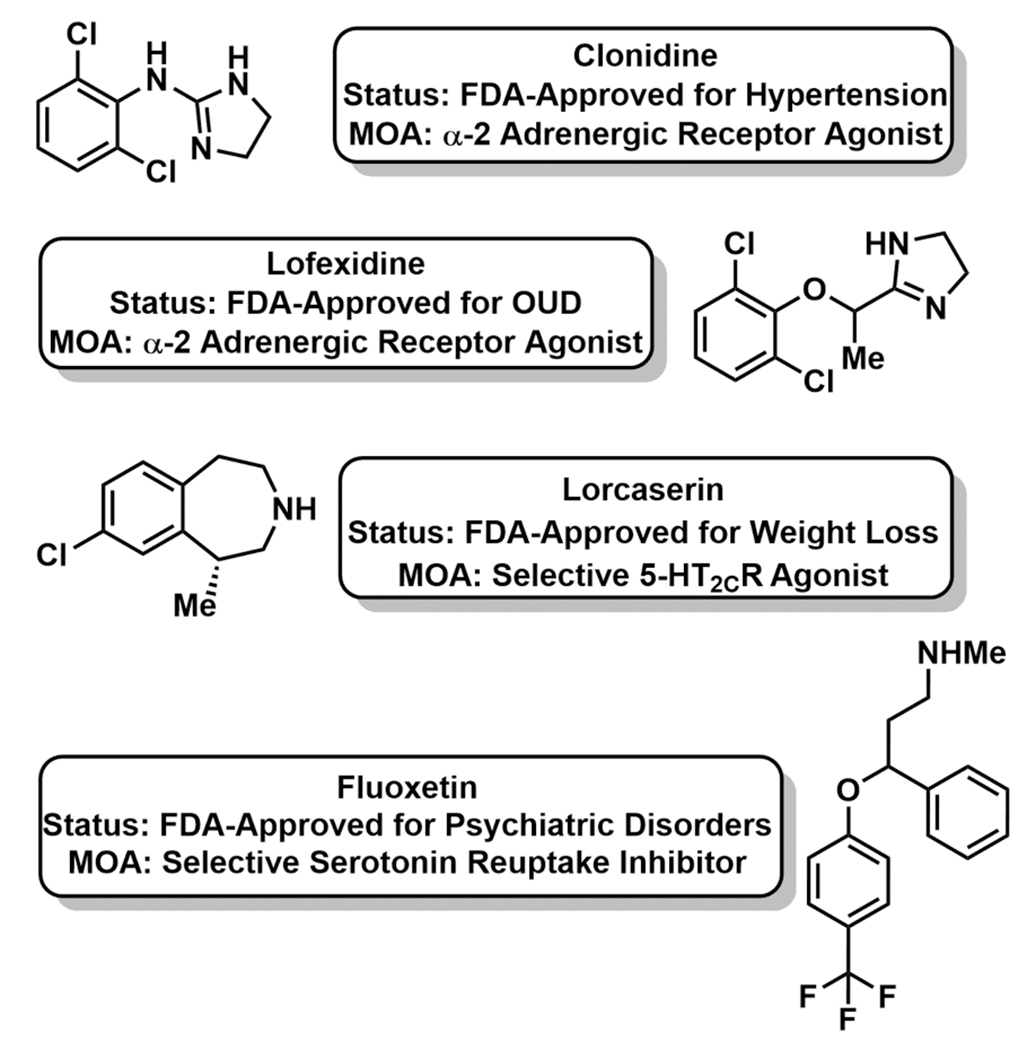
Next-generation, non-MOR modulating treatments for OUD.
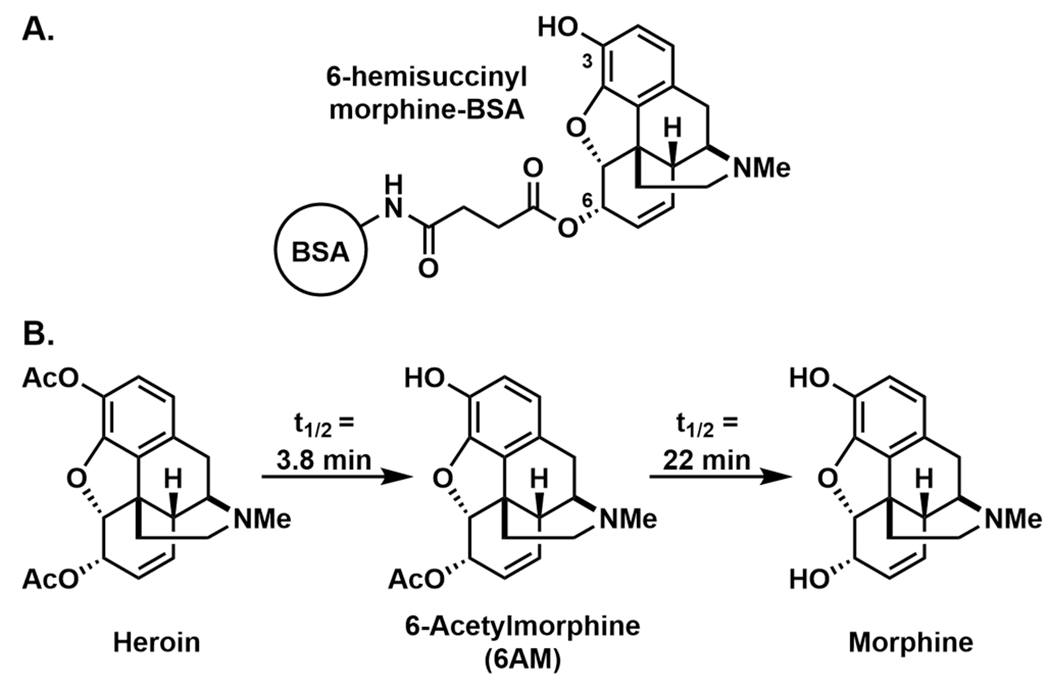
(A) Structure of the first opioid immunopharmacotherapy, 6-hemisuccinylmorphine-BSA; (B) metabolic pathway of heroin, including half-lives in humans.
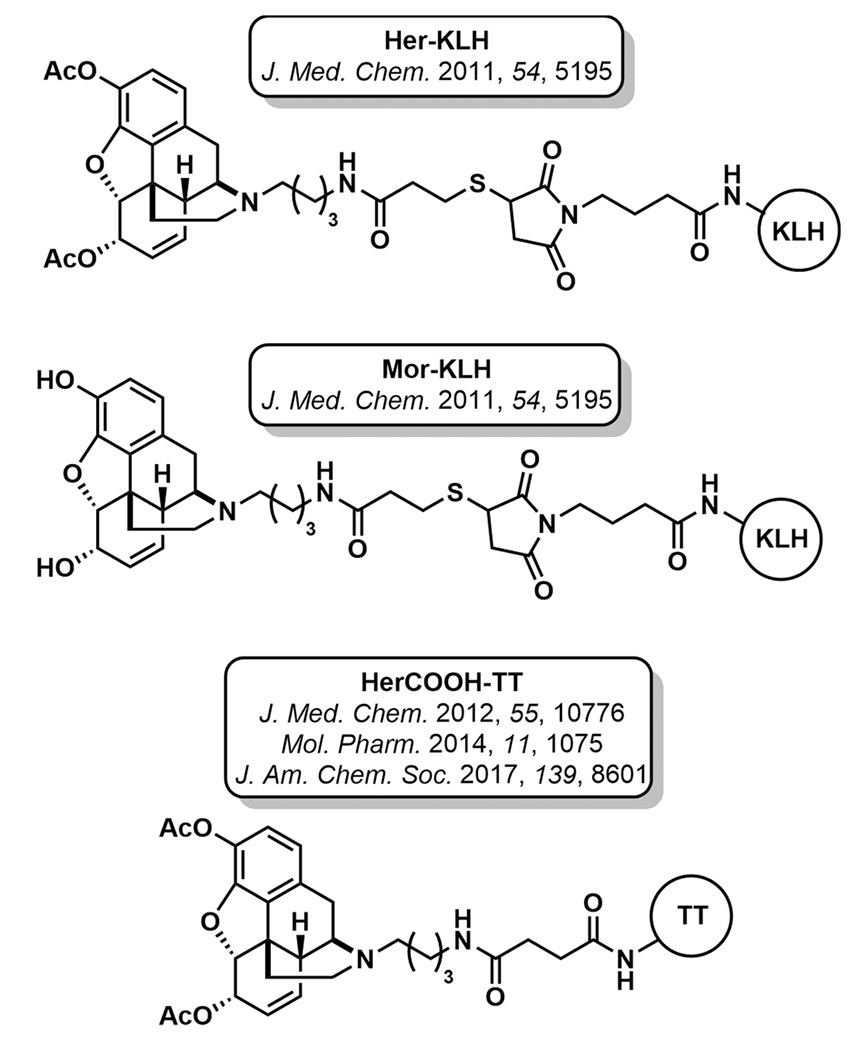
Structures of heroin immunopharmacotherapies.
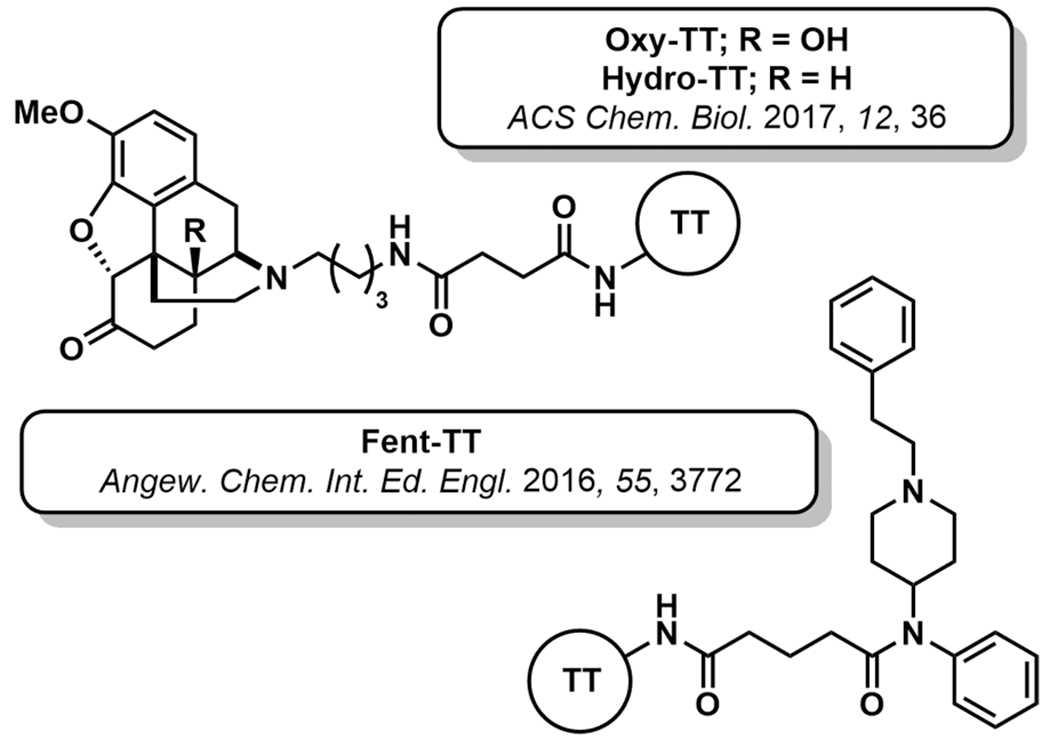
Structures of non-heroin opioid immunopharmacotherapies.
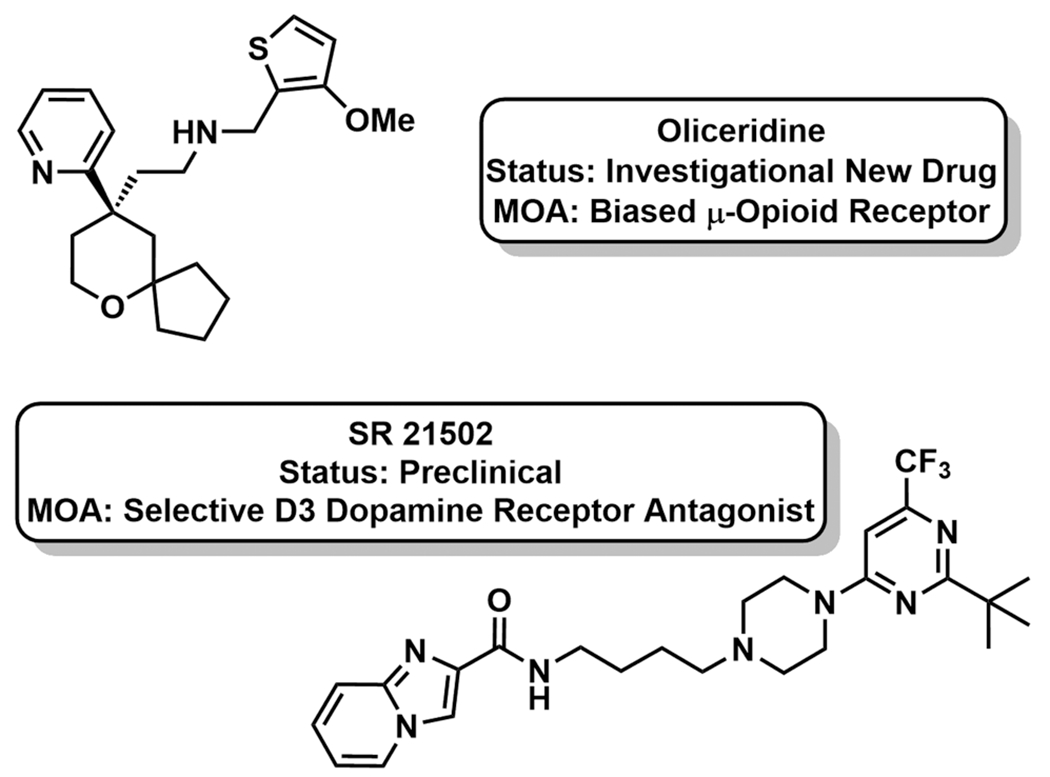
New pharmacotherapeutic strategies in pain management.
References
-
- Substance Abuse and Mental Health Services Administration. Results from the 2016 National Survey on Drug Use and Health: Detailed Tables; Center for Behavioral Health Statistics and Quality: Rockville, MD, 2017.
-
- Drug Abuse Warning Network. National estimates of drug-related emergency department visits, 2004–2011 - illicits (excluding alcohol); SAMHSA, 2011. https://www.samhsa.gov/data/report/national-estimates-drug-related-emerg... (accessed Aug 26, 2018).
-
- Rudd RA; Seth P; David F; Scholl L Increases in Drug and Opioid-Involved Overdose Deaths - United States, 2010–2015. MMWR Morb. Mortal. Wkly. Rep 2016, 65, 1445–1452. - PubMed
Publication types
MeSH terms
Substances
Grants and funding
LinkOut - more resources
Full Text Sources
Medical
