


Physical inactivity in Saudi Arabia revisited: A systematic review of inactivity prevalence and perceived barriers to active living
- PMID: 30534044
- PMCID: PMC6257875
Physical inactivity in Saudi Arabia revisited: A systematic review of inactivity prevalence and perceived barriers to active living
Abstract
Objectives: Saudi Arabia has recently witnessed enormous economic growth accompanied by undesirable lifestyle behaviors, along with an associated increase in non-communicable diseases (NCD's). This systematic review presents a comprehensive and an updated overview of the status of physical activity (PA) or inactivity among the Saudi population and examines the major barriers and correlates of PA.
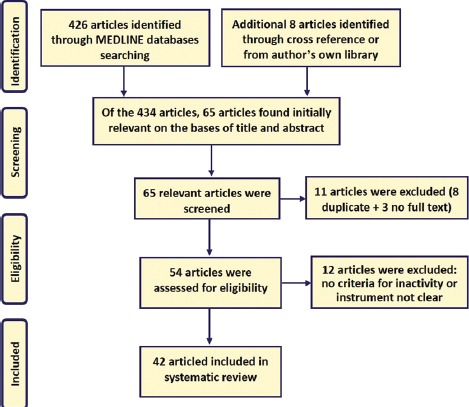
Methods: A systematic search was conducted using MEDLINE and Google Scholar databases. The electronic search yielded an initial 434 articles. However, the majority of these articles were eliminated because they did not meet the inclusion criteria. The remaining relevant papers were 65 articles that became the bases for this review.
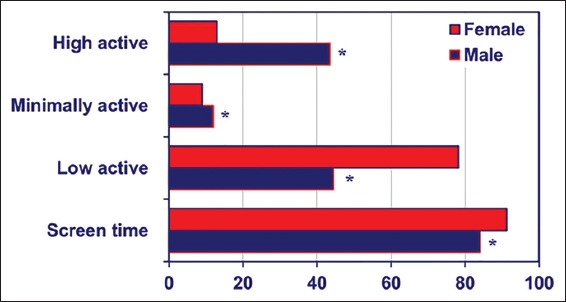
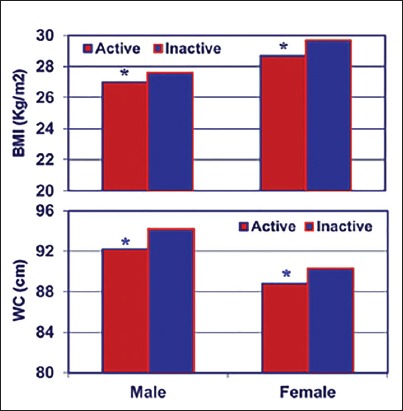
Results: The majority of Saudi children, youth and adults were not active enough to meet the recommended guidelines for moderate to vigorous PA. Saudi females were disproportionately less active than males, beginning from early school years. The proportions of Saudis who are at risk of inactivity are exceedingly higher than those at risk for other coronary heart diseases. Active Saudi boys tend to have favorable levels of blood lipids and body composition profile compared to inactive boys. Increased urbanization, crowded traffic, extreme weather, cultural barriers, lack of social support, the absence of female school PA program and lack of time and resources, all make PA a difficult choice for the Saudis.
Conclusion: More intensified efforts toward promoting PA and reducing sedentary behaviors among the Saudi population are needed to curtail the risks of NCD's.
Keywords: Barriers; exercise; health promotion; inactivity; non-communicable disease; physical activity.
Figures
References
-
- World Health Organization (WHO) Physical Activity Fact Sheet No.385. 2015. [[Last accessed on 2016 Jan 10]]. Available from: http://www.who.int/mediacentre/factsheets/fs385/en .
-
- World Health Organization (WHO) Global Recommendations on Physical Activity for Health. Geneva, Switzerland: WHO; 2010. - PubMed
-
- United States Department of Health and Human Services. Physical Activity Guidelines for Americans: Be Active, Healthy and Happy. Washington, U.S: Department of Health and Human Services, USA; 2008.
-
- World Health Organization (WHO) Global Action Plan for the Prevention and Control of NCDs. 2013-2020. [[Last accessed on 2016 Jan 10]]. Available from: http://www.who.int/nmh/publications/ncd-action-plan/en .
Publication types
LinkOut - more resources
Full Text Sources