


Organoid technology in disease modelling, drug development, personalized treatment and regeneration medicine
- PMID: 30534474
- PMCID: PMC6282260
- DOI: 10.1186/s40164-018-0122-9
Organoid technology in disease modelling, drug development, personalized treatment and regeneration medicine
Abstract
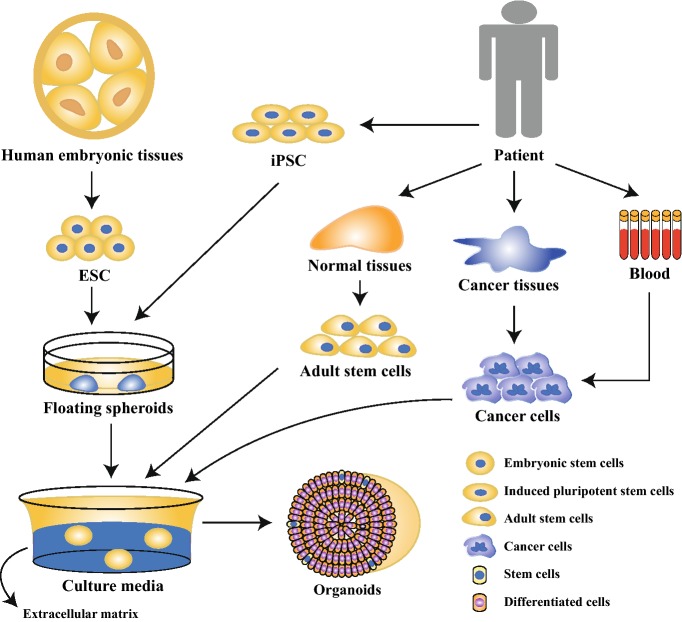
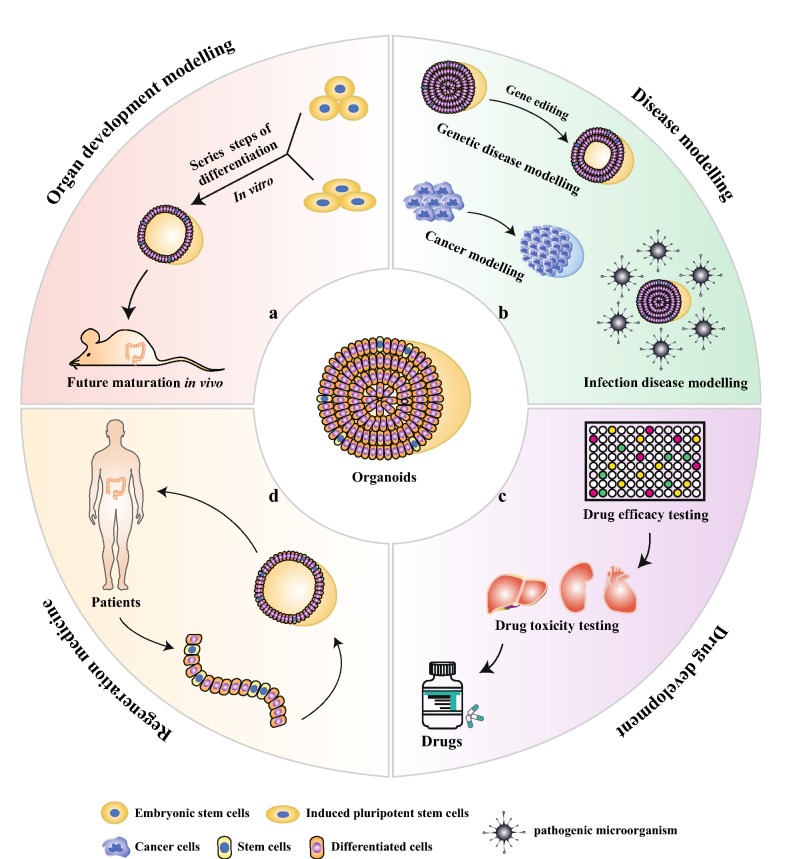
Organoid technology bridges the gap between conventional two-dimensional cell line culture and in vivo models. The near-physiological technology can virtually recapitulates organ development and human diseases, such as infectious diseases, genetic abnormality and even cancers. In addition, organoids can more accurately predict drug responses, and serve as an excellent platform for drug development, including efficacy evaluation, toxicity testing and pharmacokinetics analysis. Furthermore, organoids can also be exploited to explore the possible optimized treatment strategies for each individual patient. Besides, organoid technology is a promising strategy for regeneration medicine and transplantation use, which can overcome the deficiency in the supply of healthy donor tissues and inherent immunological rejection through establishing isogenic organoids from minuscule amounts of patient biopsies. Collectively, organoids hold enormous potential for clinical applications and bring basic research closer to clinical practice. In this review, we described common organoid lines, summarized the potential clinical applications, and outlined the current limitations.
Keywords: Cancer; Development; Drug development; Genetic diseases; Infectious diseases; Organoids; Precision medicine; Regeneration medicine.
Figures
References
Publication types
LinkOut - more resources
Full Text Sources
Miscellaneous
